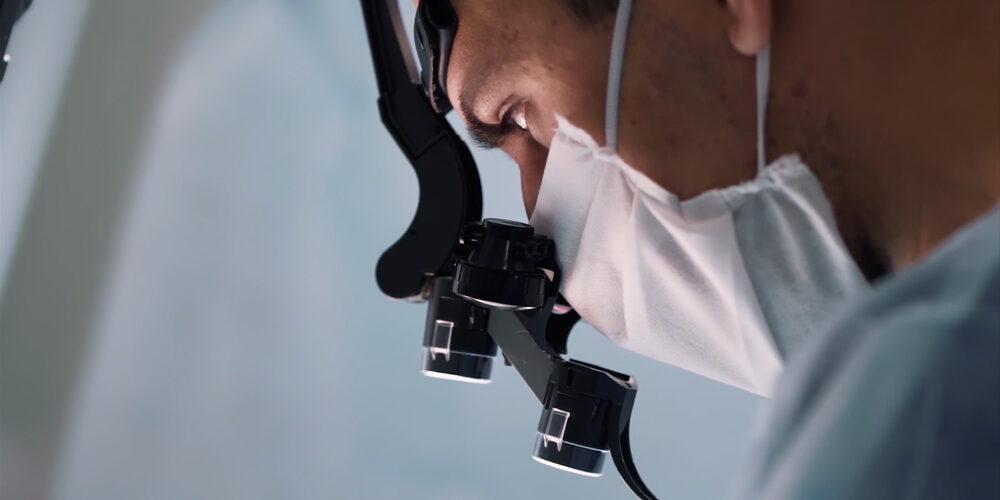
LASIK surgery is a widely performed refractive procedure available today. For individuals who depend on glasses or contact lenses, LASIK offers a clinically proven path toward reduced reliance on corrective eyewear. Understanding the procedure and what to expect can help you approach a conversation with your eye care provider, and this knowledge allows you to make informed decisions regarding treatment.
What Is LASIK Surgery?
LASIK stands for laser-assisted in situ keratomileusis. It is a type of refractive surgery, and it is designed to correct common vision problems by reshaping the cornea. When the cornea is not shaped correctly, light entering the eye does not focus properly on the retina, which leads to blurred vision. The procedure addresses three main refractive errors. Nearsightedness, or myopia, makes distant objects appear blurry. Farsightedness, or hyperopia, affects the clarity of nearby objects. Astigmatism can distort vision at all distances, and it is caused by an irregularly shaped cornea. By using a precise laser to adjust the curvature of the cornea, LASIK aims to improve how light is directed toward the retina.
Who Is It For?
LASIK is not appropriate for every person who wears glasses or contact lenses. Eye care specialists evaluate several factors to determine whether a candidate may benefit from the procedure. A stable eyeglass or contact lens prescription over a period of time is generally preferred, as fluctuating vision can affect results. The health and thickness of the cornea also play a role. LASIK involves reshaping corneal tissue, so individuals with thin corneas or certain corneal conditions may not be suitable candidates.
General eye health matters as well. Conditions such as dry eye syndrome, glaucoma, or cataracts can influence whether the procedure is advisable. Overall physical health is another point of review, since some medical conditions and medications may affect healing. Pregnancy and breastfeeding can cause temporary changes in vision, so providers typically suggest waiting until after this period.
What Should You Expect?
LASIK is typically performed as an outpatient procedure, meaning patients may return home the same day. The surgery itself usually takes only a short time for both eyes, but the full appointment includes preparation and recovery observation. Before the procedure, the eye surgeon performs a detailed examination. This assessment maps the surface of the cornea, measures its thickness, and evaluates the shape of the eye. These measurements guide the customized treatment plan for each patient.
During the surgery, numbing eye drops are applied so the patient remains comfortable and awake. The surgeon creates a thin flap in the outer layer of the cornea, then gently folds it back. A laser reshapes the underlying corneal tissue according to the pre-planned measurements. Once the reshaping is complete, the flap is repositioned, and it begins to heal naturally without the need for stitches.
Recovery often proceeds quickly. Many patients notice improved vision within a day, but some experience temporary side effects such as dryness or mild discomfort. Follow-up appointments allow the provider to monitor healing, tracking progress over the following weeks.
Consult an Eye Care Specialist
LASIK surgery represents one path toward reducing reliance on glasses and contact lenses, but it is a decision that depends on individual circumstances. A thorough evaluation by an eye care specialist is a reliable way to learn whether the procedure aligns with your needs and eye health. By seeking expert guidance, you gain accurate, personalized information grounded in your specific situation.