
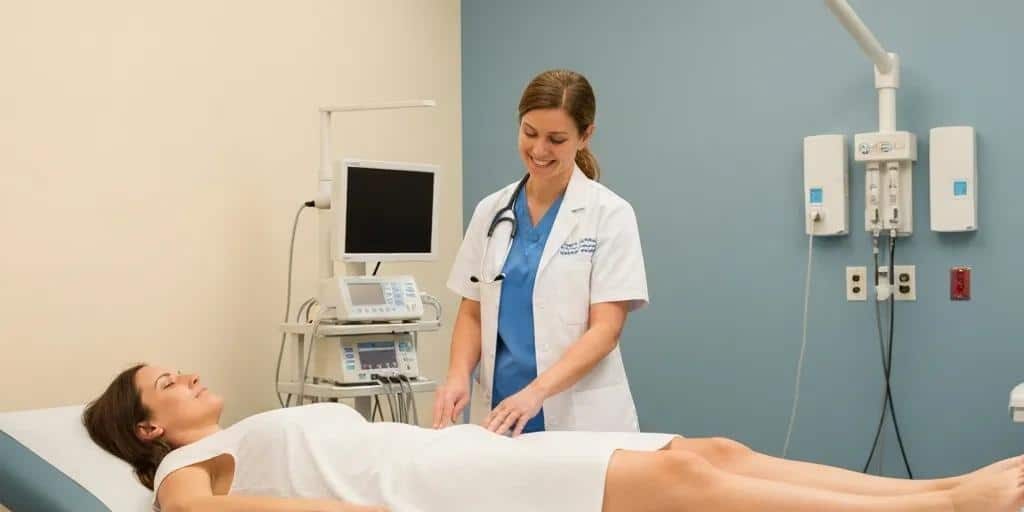
A physical exam is a preventive health visit that checks key health markers and reviews overall well-being. The visit establishes a baseline, and providers use the findings to update screenings or identify concerns. Most physicals take 15 to 30 minutes, although the details vary by age, sex and health history.
Purpose Of A Physical Exam
A physical exam focuses on maintaining good health and preventing disease. Providers review symptoms, medical history, medications and lifestyle, and they tailor the visit to each patient’s needs. Wellness exams also address specific health concerns, so children, teenagers, men and women receive care suited to their circumstances. The visit also provides an opportunity to update recommended screenings
Your provider uses four basic techniques to evaluate your body. They inspect your skin, eyes, ears and general appearance; they listen to your heart, lungs and abdomen with a stethoscope. They feel areas such as your neck, abdomen and lymph nodes for swelling, tenderness or abnormal masses, while they may tap on your chest or back to assess organs by sound. Reflexes, posture, muscle strength and joint mobility can also be checked during the physical exam.
Vital Signs And Testing
Vital signs provide basic information about your health. A physical exam includes measurements such as body temperature, heart rate, breathing rate and blood pressure, and bloodwork can provide additional information. Complete blood count examinations screen for anemia, infection and clotting issues, while a comprehensive metabolic panel checks blood sugar, kidney function, liver enzymes and electrolytes. A lipid panel evaluates cholesterol and triglycerides, and certain blood draws require fasting for eight to 12 hours.
Screening During The Visit
Wellness exams include screening for several health conditions. These include diabetes, high cholesterol, high blood pressure, heart disease, thyroid disease, insomnia, obesity, arthritis, asthma and nutrient deficiencies. Providers also screen for vision and hearing concerns, mental health disorders and certain cancers, and additional testing can be used when a medical concern requires further evaluation.
Cancer screenings depend on factors such as age and sex. Cervical cancer screening starts at age 21, and colorectal cancer screening begins at age 45 for both men and women. Mammography generally begins at age 40 for women at average risk, while prostate cancer screening involves a discussion about the PSA blood test for men ages 55 to 69. These recommendations vary with individual risk factors, so providers use medical history and other information when discussing screening options.
Preparing For Your Exam
Preparation starts before the appointment. Bring a list of medications and supplements, including dosages, and write down symptoms you have noticed. Know your family medical history, especially heart disease, diabetes or cancer in parents or siblings; bring recent lab work or imaging from other offices. Wear comfortable clothing because you might need to change into a gown, and schedule a morning appointment when fasting is required for bloodwork.
Schedule Your Next Physical Exam
Wellness exams are scheduled once yearly or more frequently when someone manages a disease or experiences new or unusual symptoms. A physical exam reviews current health information; follow-up testing or treatment recommendations can address concerns identified during the visit. Contact your provider’s office to schedule the appointment, and bring the information needed for the health review.





