Laser-assisted in-situ keratomileusis (LASIK) is a procedure that reshapes the cornea to correct vision, and many people get it to reduce their need for glasses. The surgery works quickly, and patients typically return home the same day. Before you book anything, you want to understand which factors affect your candidacy. This is what needs to be evaluated by a doctor before getting approved for this type of procedure:
Eye Health
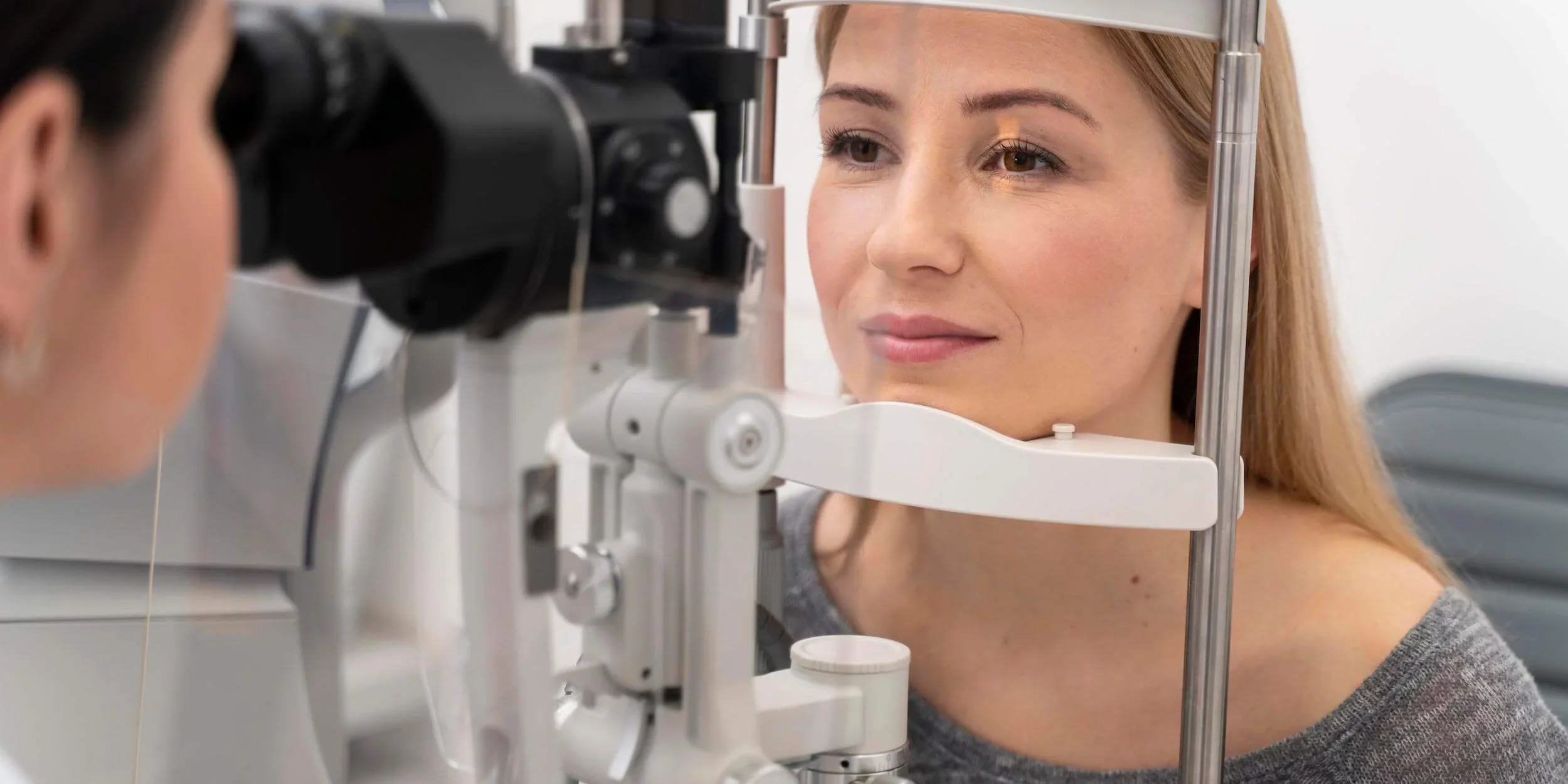
Healthy eyes form the foundation of a safe procedure. Certain conditions, like glaucoma, complicate LASIK planning, so your surgeon reviews your history, and this step flags any concerns before surgery. Active infections or inflammation delay the process. A doctor examines your eyes closely, so nothing gets overlooked. When your eyes heal from an infection, you may revisit your candidacy later.
Cornea Thickness and Shape
Your cornea is the clear front layer of your eye. As the laser removes tissue to change how light focuses, thickness matters significantly. A surgeon measures your cornea, and this reading helps determine your options.
When your cornea sits below a safe threshold, LASIK may not fit your situation. Alternative procedures exist, and your surgeon will explain them clearly. Thin corneas raise the risk of complications, so doctors screen for this early.
Corneal shape also shapes the outcome of any evaluation. Irregular curvature, such as keratoconus, changes how the laser interacts with your eye. A specialist maps your cornea, and this scan reveals patterns you cannot see. If the map shows instability, you may need a different treatment path.
Stability of Prescription Glasses
Your prescription needs to hold steady before surgery. For some patients, doctors want at least one year without major changes. A shifting prescription suggests your vision is still adjusting, and that timing complicates results.
Age plays a role in prescription stability, so younger patients sometimes wait. Hormonal changes and pregnancy also affect your vision temporarily. If your numbers keep moving, your surgeon may recommend a pause.
Dry Eye Syndrome
Before surgery, dry eye is a typical factor surgeons check. LASIK may worsen dryness for a period after the procedure. Your doctor tests your tear production, and this result guides the recommendation.
You want to disclose any burning, redness, or gritty sensations. A surgeon treats existing dryness first, so your eyes feel more comfortable. Several signs point to dry eye syndrome during an evaluation:
- Frequent stinging or itching
- Increased sensitivity to light
- Blurry vision that improves with blinking
When treatment stabilizes your symptoms, your surgeon reassesses your fit. Some patients use drops for weeks beforehand, and that routine supports the eye surface. If dryness stays severe, another option might suit you better. The team explains each step, and you leave with a clearer picture.
Schedule a LASIK Surgery Consultation
A consultation gives you clear answers about your specific eyes. The surgeon reviews your measurements, and this conversation covers your questions directly. Bring a list of your medications and past eye issues, and ask questions about recovery, risks, and alternatives during your visit. When you are ready, contact a qualified eye clinic to book your evaluation today.