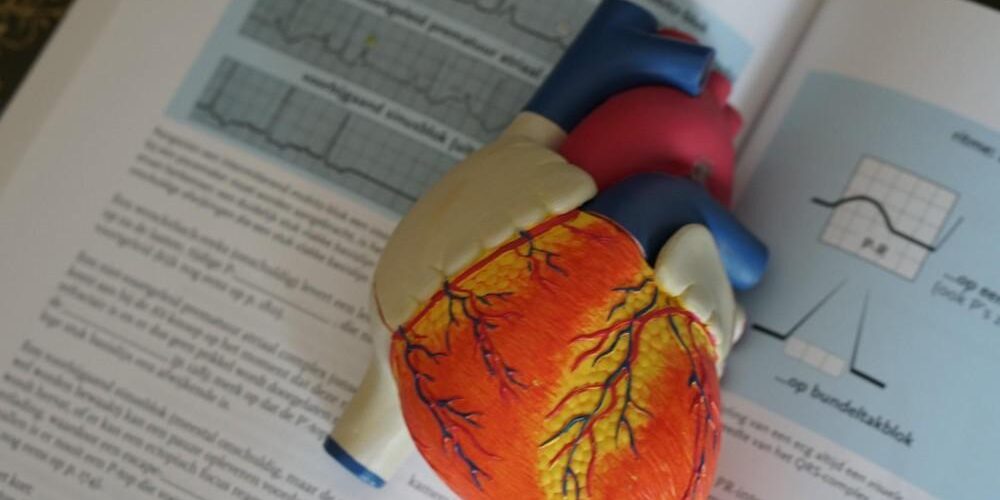
Cardiology includes several areas focused on different aspects of heart and vascular health. Cardiologists evaluate and treat conditions involving the heart and blood vessels, while some physicians pursue additional training in specific cardiovascular services. Understanding these areas helps patients learn how different specialists contribute to cardiovascular evaluation and treatment. Here is more information about the different types of cardiologist and their specialties:
Understanding General Cardiologists
General cardiologists evaluate and manage a range of conditions involving the heart and blood vessels. They may assess concerns such as high blood pressure, heart failure, arrhythmias, chest pain, or abnormal electrocardiogram results. Cardiologists also review cardiovascular risk factors, including cholesterol levels, diabetes, and smoking history. Based on examination findings and diagnostic testing, a cardiologist develops a care plan or recommends evaluation by another cardiovascular specialist.
Understanding Interventional Cardiologists
Interventional cardiologists focus on catheter-based procedures for certain conditions affecting the heart and blood vessels. These procedures may include coronary angioplasty and stent placement to address narrowed or blocked arteries. Treatment recommendations depend on diagnostic findings, symptoms, and each patient’s cardiovascular health.
Interventional cardiology involves specialized training in procedures performed through blood vessels using catheters and related medical technology. These specialists often perform procedures in cardiac catheterization laboratories. They also work with other cardiovascular providers when patients require additional evaluation, treatment, or follow-up care.
Understanding Electrophysiologists
Electrophysiologists focus on conditions involving the heart’s electrical system and rhythm. They evaluate concerns such as atrial fibrillation, ventricular tachycardia, and heart block. Electrophysiology studies provide information about electrical activity and abnormal pathways within the heart.
Treatment options may include:
- Performing catheter ablation: A specialist uses catheter-based techniques to address heart tissue associated with certain irregular rhythms.
- Implanting cardiac devices: A specialist places devices such as pacemakers or implantable cardioverter-defibrillators when appropriate.
Patients experiencing palpitations, fainting episodes, or other rhythm-related concerns may receive an electrophysiology evaluation. Treatment recommendations depend on symptoms, diagnostic findings, medical history, and individual cardiovascular needs.
Understanding Vascular Cardiologists
Vascular cardiologists focus on conditions involving arteries and veins outside the heart. They evaluate vascular concerns and use diagnostic testing to examine circulation throughout the body. Treatment recommendations depend on symptoms, examination findings, and each patient’s cardiovascular health.
Some vascular specialists perform catheter-based procedures, including angioplasty, stenting, and atherectomy. These procedures address certain circulation problems affecting blood vessels in different areas of the body. Patients with leg discomfort, circulation concerns, or other vascular symptoms can receive an evaluation to determine appropriate treatment options.
Understanding Cardiac Imaging
Cardiac imaging uses diagnostic technology to evaluate the structure and function of the heart. Imaging studies provide information that cardiologists use alongside symptoms, medical history, and other diagnostic findings. Common cardiac imaging methods include:
- Using echocardiography: Ultrasound imaging evaluates the heart’s chambers, valves, and movement.
- Using cardiac CT: Computed tomography produces detailed images of the heart and surrounding structures.
- Using cardiac MRI: Magnetic resonance imaging provides detailed views of cardiac structures and tissues.
- Using nuclear imaging: Specialized imaging evaluates aspects of blood flow and heart function.
Cardiologists use imaging findings to evaluate certain heart conditions and guide treatment planning. Imaging specialists may also work with general and interventional cardiologists when additional cardiovascular evaluation is appropriate.
Schedule Your Cardiology Evaluation
Different types of cardiologists focus on specific areas of heart and vascular health. A cardiologist evaluates symptoms, medical history, and diagnostic findings to determine appropriate care. Some cardiovascular conditions involve collaboration among general cardiologists and other specialists based on individual needs. Schedule an evaluation with a qualified cardiologist to discuss your heart or vascular concerns today.