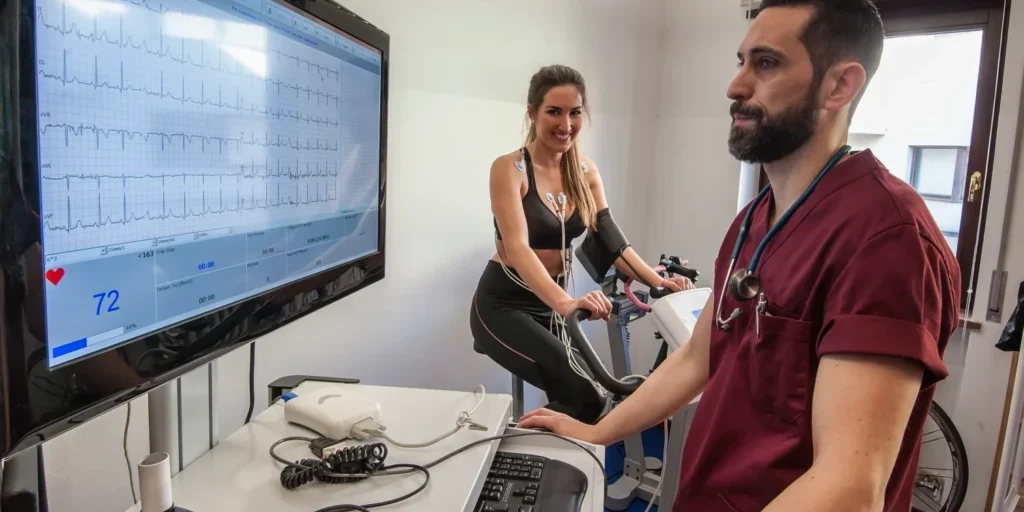
A cardiologist specializes in the heart and blood vessels. They diagnose heart conditions, and they guide treatment plans that fit your specific needs. When you find a cardiologist you trust, you gain a partner who listens and explains things clearly. Here are some of the benefits of finding an ideal cardiologist:
Accurate Risk Assessments
A skilled cardiologist reviews your full health picture. Since your family history and lifestyle shape your heart risk, an accurate assessment starts with detailed questions. The doctor gathers your data, and then they build a clear profile of your risk factors.
During an assessment, your cardiologist looks at several markers. Each one adds detail to your overall picture.
- Blood pressure readings and cholesterol levels
- Family history of heart disease
- Weight, activity level, and smoking status
You get a clear view of where you stand. Your cardiologist explains what each number means, and you leave with practical next steps. Since these details matter, a thorough review helps guide smart choices.
Customized Medication Management
Medications work differently for each person. Since side effects vary, careful monitoring keeps your treatment on track. A trustworthy cardiologist reviews your prescriptions and adjusts them to match your body.
Your doctor checks how each drug affects you over time. They note interactions, and they change doses when needed. When your cardiologist knows your history, they tailor medications with more precision.
As trust builds over time, honest conversations lead to better management. Communication makes this process work. You report how you feel, your doctor responds with adjustments, and together you refine the plan.
Early Disease Detection
Heart problems may start quietly. As symptoms may stay hidden for years, regular visits give your doctor a chance to spot changes early. Your cardiologist tracks small shifts, and they can act before issues grow.
Some warning signs are easy to miss on your own. A trained specialist knows what to watch for.
- Irregular heartbeat or unusual fatigue
- Sudden shortness of breath during light activity
- Mild chest discomfort that comes and goes
Early detection gives you more treatment options. When a cardiologist catches a problem sooner, you and your doctor plan a response together. You stay informed, and you make decisions with real information.
Correct Surgical Timing
Timing matters, and it shapes the outcome of many heart procedures. Since acting too early or too late carries risk, careful judgment guides the decision. A cardiologist weighs the risks and benefits of surgery for your specific case.
Your doctor watches your condition closely before recommending any procedure. They review test results, and they discuss treatment options with you in plain language. When a specialist knows your full history, they judge the right moment with more confidence.
Find a Cardiologist Near You
Finding the right cardiologist takes a little research, and the effort pays off in clearer care. Since trust grows through open conversation, a good match makes every cardiologist visit more useful. Search for a cardiologist in your area and schedule a consultation to discuss your heart health. Bring your questions, your history, and your goals to that first meeting.