Ophthalmology is a specialized branch of medicine; it focuses on the diagnosis, treatment, and surgical management of eye and vision disorders. While ophthalmologists address routine refractive errors, they are also trained to diagnose and manage complex eye diseases, such as glaucoma, macular degeneration, and diabetic retinopathy, that may require specialized care. Understanding the structure of an ophthalmology appointment can help patients prepare adequately. Here is more information on what an ophthalmologist does, the services they typically provide, and what to expect during an initial consultation:
What Is an Ophthalmologist?
An ophthalmologist is a medical doctor who specializes in eye and vision care. Unlike optometrists, who primarily perform eye exams and prescribe corrective lenses, ophthalmologists complete medical school and then train in ophthalmology, which qualifies them to diagnose diseases, prescribe medication, and perform surgery. Their expertise covers both medical and surgical treatment of eye conditions, and they provide ongoing monitoring.
What Services Do They Offer?
Ophthalmologists provide a broad range of services that address both common and serious eye concerns. Routine services include comprehensive eye exams, vision testing, and prescriptions for glasses or contact lenses, and these support preventive eye care. Because early detection helps preserve vision, these evaluations are central to ongoing eye health management.
These eye care professionals also diagnose and treat medical conditions affecting the eyes. Some of the more specialized services include:
- Surgical procedures such as cataract removal
- Management of eye diseases like glaucoma a nd macular degeneration
- Treatment of eye injuries, infections, and conditions requiring urgent medical attention
What Do First Visits Involve?
The first appointment typically begins with a review of the patient’s medical and vision history. The ophthalmologist will ask about current symptoms, past eye conditions, and any medications the patient takes; this information helps identify possible risk factors. When accurate details are shared during a consultation, they enable the doctor to better understand the patient’s overall health and medical needs.
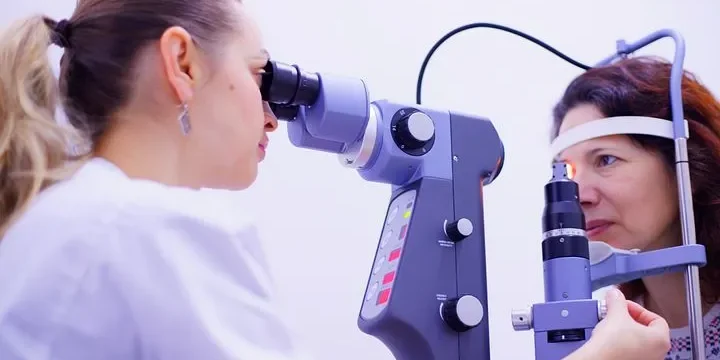
A series of diagnostic tests follows the initial review; these may include a visual acuity test, a refraction assessment to determine the patient’s prescription, and eye pressure testing to screen for glaucoma. To examine the eye’s internal structures, the ophthalmologist may also dilate the patient’s pupils with specialized eye drops. Each test serves a specific diagnostic purpose. Together, they provide a comprehensive assessment of the patient’s eye health.
Once the assessments are complete, the doctor will discuss the findings with the patient. If a condition is detected, the ophthalmologist will explain treatment options, and they will outline a care plan. This gives the patient an opportunity to ask questions. This final stage makes sure the patient understands the findings and any recommended next steps before leaving.
How Is Professional Care Beneficial?
Professional eye care offers advantages that extend beyond correcting vision. Early detection is a key benefit. Some eye diseases develop without noticeable symptoms in their early stages, so regular monitoring by a specialist can catch these conditions before they progress and cause permanent damage. Ophthalmologists provide continuity of care for long-term conditions, and this consistency is particularly valuable for patients managing chronic issues. Because some conditions change over time, ongoing specialist oversight allows for timely treatment adjustments whenever new developments arise.
Know What To Expect
A first visit to an ophthalmologist includes a review of your history, a set of diagnostic tests, and a discussion of results and treatment options. Understanding these stages can help you prepare for the appointment. Professional eye care supports early detection, and ophthalmologists offer access to advanced treatments. If you’ve noticed changes in your vision, schedule a consultation today.