
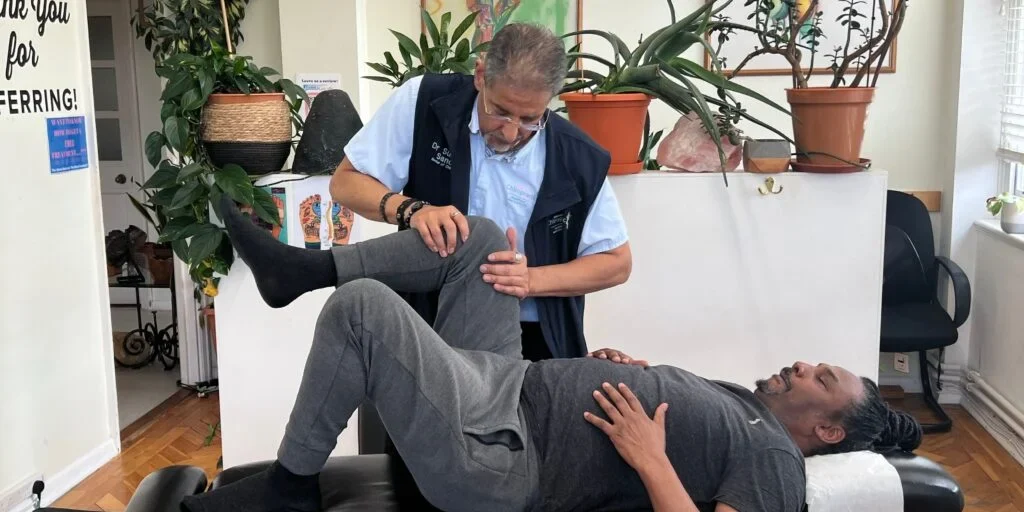
Sciatica is pain that travels along the sciatic nerve, which runs from the lower back through the hips and down each leg. This discomfort develops when a herniated disc, bone spur, or narrowed spinal canal presses on the nerve. Symptoms range from mild aching to sharp, radiating discomfort, sometimes with numbness or weakness in one leg. Pain management is recommended when symptoms interfere with daily activities, persist beyond a few days, or worsen over time. Here’s information on treatment techniques for sciatica pain relief:
Physical Therapy Sessions
Physical therapy focuses on movement, strength, and flexibility to reduce pressure on the sciatic nerve. Sessions often begin gently, with intensity increasing as mobility improves, aiming to stabilize the spine and reduce strain on surrounding tissues. A therapist helps people managing sciatica support their lower spine and reduce mechanical stress through:
- Targeted Stretches
- Core-strengthening Exercises
- Posture Correction
Chiropractic adjustments may complement physical therapy for some patients. For sciatica pain relief, an orthopedic specialist uses controlled techniques to improve spinal alignment and joint mobility.
Regenerative Treatments
Regenerative treatments support the body’s natural repair processes over time, helping reduce painful symptoms; these options are discussed when conservative treatments provide limited relief. One increasingly discussed approach is platelet-rich plasma (PRP) therapy. PRP therapy begins with a standard blood draw, and the sample is then centrifuged to concentrate the platelets. The provider then prepares the separated, concentrated plasma blood components for injection near the affected area.
What Is PRP Like?
PRP therapy treatments help promote healing while easing inflammation that contributes to nerve pain. Pain management providers typically use imaging guidance to place PRP injections accurately, and the procedure is completed in an outpatient setting. Patients often feel mild pressure or soreness at the injection site after a session, which limits strenuous activities for a short period. Many people return to their routine tasks shortly after treatment.
How Does PRP Regenerate Tissue?
Platelets contain growth factors and other key proteins that support the body’s healing response. When concentrated and delivered to an irritated area, they support tissue repair and reduce localized inflammation. By targeting the underlying tissue to reduce pain, regenerative treatments take a different approach than medication alone. PRP sessions aim to encourage recovery in the affected region over several weeks, but response times vary from person to person. A provider can explain what a realistic timeline may look like.
Prescription Medications
Medications are often combined with other treatments rather than used in isolation, and this layered approach addresses pain and its underlying cause. Before prescribing, a provider evaluates factors such as symptom severity, medical history, and response to earlier treatments. Regular follow-up helps determine whether adjustments are needed. Patients should report side effects promptly.
Prescription medications may be recommended when over-the-counter options do not adequately control symptoms. A physician might prescribe muscle relaxants, anti-inflammatory drugs, or nerve-specific medications depending on the presentation. These are generally used for a defined period to support other treatments, and providers monitor them closely. Medication management reduces discomfort enough to allow people to participate in physical therapy and daily activities more effectively.
Find Sciatica Pain Relief
Sciatica can affect your movement, comfort, and daily routines, so a coordinated treatment plan is an effective way to manage your symptoms. The most appropriate pain management plan depends on the source of your nerve irritation, symptom severity, and how your body responds over time. If sciatic pain is disrupting your activities, contact a pain management specialist to schedule an evaluation.