
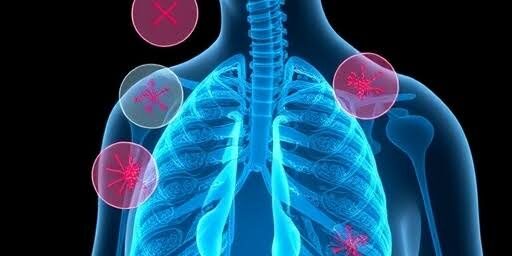
Asthma affects the tubes that carry air into your lungs, and it is a respiratory condition that changes how easily you breathe day to day. When these airways react to certain triggers, breathing gets harder. Learning how asthma works helps you spot symptoms and talk with your provider. Here is more information on this breathing condition:
Long-term Condition
Asthma stays with you over time, and it needs ongoing management rather than a single fix. Since the condition comes and goes, symptoms may feel mild one week and stronger the next. You live with it, but you manage it.
Triggers vary from person to person, and knowing yours helps you plan ahead. Typical triggers show up in daily life, though the list looks different for each person. Some people react to one item, while others react to several. Asthma triggers include:
- Pollen, dust mites, and pet dander
- Weather changes or cold air
- Smoke, strong scents, or air pollution
- Exercise, colds, and respiratory infections
Swollen Airways
The airways in your lungs are lined with sensitive tissue, and when that tissue meets a trigger, it swells, and the passage for air gets narrower. This swelling is called inflammation, and it sits at the center of asthma. Inflammation makes the airways touchy, so they react faster to future triggers. A narrowed airway lets less air through, which leaves you short of breath. You might notice this most during activity or at night.
Tightened Muscles
Bands of muscle wrap around each airway. During an asthma flare, these muscles tighten, and the airway squeezes even more. This tightening is known as bronchoconstriction.
Since the muscles clamp down quickly, symptoms sometimes arrive within minutes. You may hear a whistling sound called wheezing, and your chest may feel tight. Quick-relief inhalers work by relaxing these muscles so air moves more freely.
The inflammation, mucus, and tightening of muscles all work together to narrow the airways, making it harder to breathe. This is why early recognition of symptoms is needed. If left untreated, these symptoms can escalate, leading to significant discomfort and potentially severe breathing difficulties.
Extra Mucus
Asthma also prompts the airways to produce more mucus than usual. This thick fluid coats the passages, and it blocks part of the space that air needs. The buildup adds to the narrowing already caused by swelling and tight muscles.
When mucus collects, coughing typically follows as your body tries to clear it. A wet or frequent cough may signal that your airways are irritated. Three things happen together during a flare, and each one makes breathing harder. Watch for these warning signs:
- Wheezing or a whistling sound when you breathe
- Feeling of tightness in your chest
- Coughing, especially at night or early morning
- Having shortness of breath during normal tasks
Tracking these signs helps you notice changes early, and it gives your provider useful details. When you record what you feel, patterns start to appear. That information guides your treatment plan.
Get Treated for Asthma Today
Asthma involves changes in your airways, and together these narrow the passages and make each breath harder. Understanding the cause helps you respond when symptoms start. Book an appointment with a healthcare provider to talk through your symptoms. Bring notes about when flares happen and what seems to set them off.