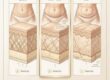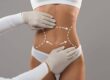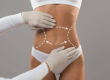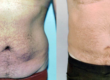
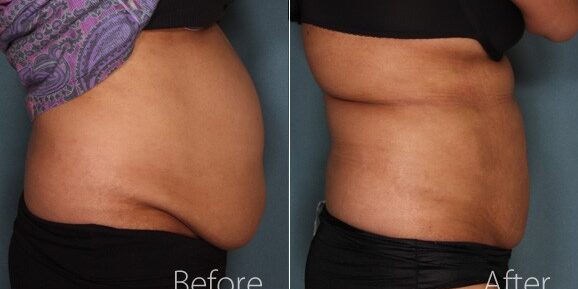
Liposuction is a form of cosmetic surgery that removes fat from targeted areas of the body. The procedure uses suction; it reshapes the treated area through contouring. Liposuction is not an overall weight-loss method, but it may suit people who have a stable body weight and excess fat in specific places.
Cosmetic Surgery Treatment Areas
Liposuction is cosmetic surgery that targets fat in defined regions rather than across the entire body. Areas include the abdomen, upper arms, buttocks, calves, ankles, chest, back, hips, thighs, chin and neck; the procedure can also reduce extra breast tissue in men. When weight remains stable, liposuction lowers the number of fat cells in a treated area; the resulting shape changes usually last.
The skin molds to the new shape after treatment. Good skin tone and elasticity usually produce smoother skin, but thin skin with less elasticity may look loose. Although liposuction does not remove stretch marks or dimpled skin from cellulite, it focuses on fat in specific areas; it reshapes those areas through contouring.
How Liposuction Works
Several techniques exist; the surgeon selects one based on the treatment goals and area. Suction-assisted liposuction is the most common type; it uses a thin tube attached to a vacuum to remove fat and fluids. Ultrasound-assisted liposuction uses energy to break down fat, while laser-assisted liposuction uses a laser fiber and power-assisted liposuction uses a rapidly moving tube.
Liposuction has surgical risks. Patients may experience bleeding, reactions to anesthesia, contour irregularities, fluid buildup, numbness, or infection; rare complications include internal puncture and fat embolism. When large volumes are treated, or multiple procedures occur during one operation, complication risks rise; large-volume procedures can also cause kidney, heart, or lung problems.
Recovery and Lasting Results
Recovery includes pain, swelling, and bruising after the procedure. Most people wear compression garments for a few weeks; the surgeon may provide medicine to manage pain or lower the risk of infection. Because swelling can take weeks to months to resolve, the treated area becomes more defined over time, and the final shape becomes clearer as healing progresses.
Liposuction results usually last when weight remains stable. Weight gain can increase fat cells after surgery; fat may accumulate in areas that were not treated. As the skin molds to the new contours, the treated area takes on its new shape; the resulting changes usually remain when body weight stays the same.
Schedule a Consultation
A consultation allows the surgeon to discuss what to expect from liposuction. The surgeon reviews medical history and treatment goals, and the practice forms a plan tailored to each client’s needs. Before the procedure, the surgeon explains the approach, and the practice provides preparation and recovery assistance around procedures. The practice has provided cosmetic procedures for more than 30 years, and it has locations in East Lansing and Brighton, Michigan. Patient safety guides its work, and the team provides plastic surgery procedures at both locations. Because a consultation provides time to discuss liposuction and the treatment plan, schedule an appointment and begin that discussion with the practice.