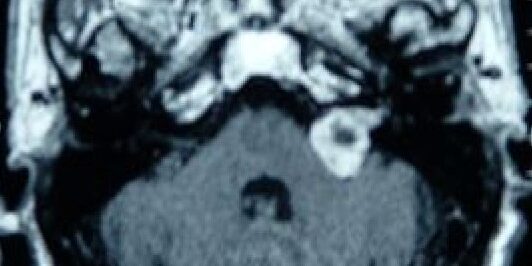
An acoustic neuroma is a slow-growing, noncancerous tumor, and it forms on the nerve that connects your inner ear to your brain. It affects both hearing and balance. When this tumor grows, it presses on nearby structures, so symptoms often appear gradually over time. Here is more information on the role of this tumor and how it affects your hearing:
Placing Pressure on a Nerve
The tumor grows on the vestibular nerve. This nerve carries sound and balance signals, and pressure on it disrupts those messages. As the acoustic neuroma grows, it pushes against surrounding tissue and crowds the space inside your skull.
Pressure builds slowly in most cases. Since the growth is gradual, people may miss these early clues for months. You might notice ringing in one ear, or you might feel unsteady when you walk.
Causing Hearing Loss
Hearing loss is a major symptom. It typically affects one ear, and it tends to worsen slowly as the tumor expands. When the nerve receives constant pressure, sound signals reach your brain less clearly.
You might struggle to follow speech, or you might find high-pitched sounds harder to catch. Some people notice trouble with phone calls first. Since the change is subtle, a hearing test can reveal it before you do.
Over time, the ear may also feel full or blocked. This can make everyday conversations seem more distant or muffled. This difficulty sneaks up on people, and the changes can be so gradual that they’re easy to overlook. If you feel like voices are fading on one side, or you’re frequently adjusting volumes, it’s worth discussing the concern with a medical professional.
Leading to Brain Risks
A large neuroma reaches beyond the nerve. It presses on the brainstem, and that pressure raises the chance of serious complications. When a tumor grows unchecked, it interferes with structures that control basic body functions. Watch for these warning signs as a tumor enlarges:
- Persistent headaches
- Facial numbness or weakness
- Difficult time swallowing
- Gradual loss of coordination
These symptoms point to advanced growth. You need medical attention quickly, and prompt imaging helps your doctor measure the tumor. Since the brainstem sits close by, delays add risk.
Developing Slowly
Most acoustic neuromas grow at a slow pace. Some expand only a millimeter or two each year, and others stay stable for long stretches. Because growth varies so much, doctors track the tumor with regular scans.
Your care team weighs several factors before acting. They review tumor size, your symptoms, and your age, and they compare scans over time. Monitoring lets them choose the right moment for treatment.
Treatment paths depend on the situation, and typical approaches include:
- Observation with periodic MRI scans
- Radiation therapy to limit growth
- Surgery to remove the tumor
Each option carries different trade-offs. Your doctor explains the risks, and together you review what fits your case. Since no single plan suits everyone, the choice reflects your specific findings.
Schedule an Acoustic Neuroma Examination
Early evaluation gives you clear information about your hearing. If you notice one-sided hearing loss, ringing, or balance trouble, book an appointment with a specialist. A hearing test and an MRI help confirm whether a neuroma is present. Contact an ear specialist today to schedule your examination and take the first step.