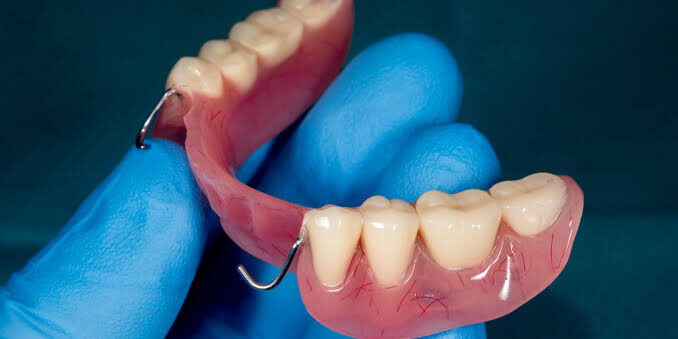
Partial dentures restore missing teeth, support normal chewing and speech, and help maintain the appearance of your smile. Proper cleaning and regular dental visits may prevent damage and extend their lifespan. Here are several ways to maintain partial dentures for optimal longevity:
Cleaning Your Appliance Daily
Daily cleaning removes food particles, plaque, and stains that build up on partial dentures. A consistent routine keeps the surface smooth, and it lowers the risk of odor. The following tips break the process into clear steps:
- Rinse after eating: Run the appliance under water to dislodge loose debris before deeper cleaning.
- Brush gently once a day: Use a soft-bristled brush and a nonabrasive denture cleaner because regular toothpaste may scratch the material.
- Soak overnight: Soak the appliance in a denture-cleaning solution overnight to keep it moist and loosen residue.
- Avoid hot water: Warm or boiling water can warp the framework, so stick to cool or lukewarm temperatures.
- Handle the clasps carefully: Clean around the metal clasps without bending them to avoid a loose fit.
Handling and Storing Them Safely
Partial dentures can crack or chip if dropped, so handle them carefully to protect your appliance. Stand over a folded towel or a basin of water when you insert or remove the appliance; this habit cushions any accidental fall. Keep the appliance out of reach of children and pets, who may treat it as a toy. Storage matters just as much as handling. When the appliance is out of your mouth, place it in water or a cleaning solution because the acrylic base can dry out and change shape. Store the container in a stable location, and label it clearly if you travel.
Protecting Your Oral Health
Your remaining teeth and gums support partial dentures, and their condition affects how well the appliance performs. Healthy tissue reduces pressure points, while decay on the supporting teeth can shorten the life of the dentures. The following habits can help you maintain a stable foundation.
Protecting Gums and Teeth
Brush your natural teeth twice a day and clean along the gumline where plaque collects. Floss between teeth that anchor the clasps because trapped debris in these areas can lead to decay. This routine protects the structures that hold your partial in place.
Resting Your Oral Tissues
Remove the partial each night unless your dentist advises otherwise; this break lets your gums recover from daily pressure. Overnight rest also improves circulation in the tissue, which supports comfort during the day. A rested mouth adapts more easily to the appliance, so removing it nightly is a helpful habit.
Scheduling Regular Dental Checkups
Routine visits let a dental professional inspect the appliance and the mouth that supports it. Your dentist can check the fit, adjust worn clasps, and identify early changes in your gums or natural teeth. Gums and bone can shift over time, which loosens the fit of a partial. A professional can reline or adjust the appliance during a checkup, and timely repairs prevent bigger problems later. Book appointments at the interval your dentist recommends to support comfort and durability.
Learn More About Partial Dentures
Partial dentures are a practical solution for restoring function and aesthetics after tooth loss, offering a customizable fit. They require regular cleaning, appropriate handling, and professional adjustments to address fit changes caused by shifting gums or bone. A consistent maintenance routine and regular checkups can support durability and comfort over time. To learn more about partial dentures, contact a qualified dentist near you to schedule your consultation today.