
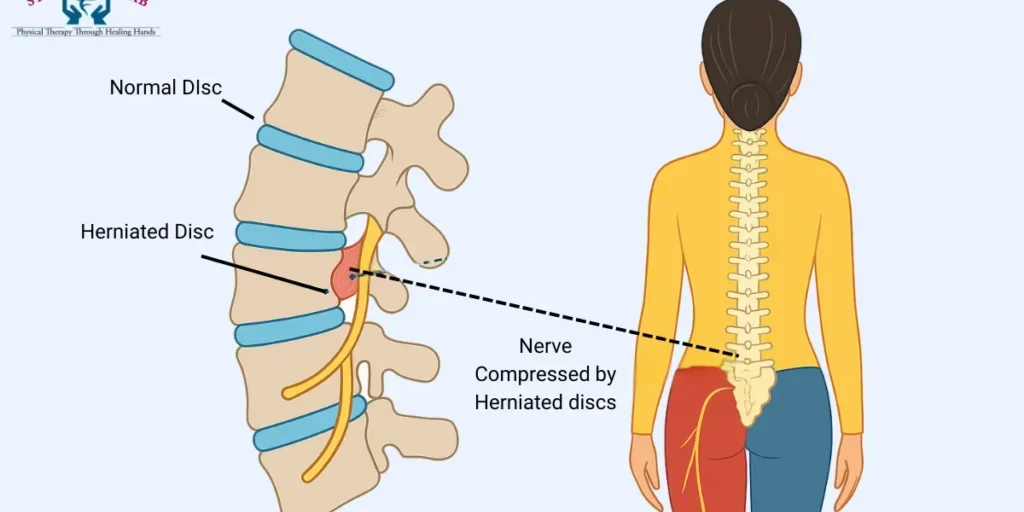
A herniated disc happens when the soft center of a spinal disc pushes through its outer layer, and this shift presses on nearby nerves, which produces pain, numbness, or weakness. Since symptoms tend to build over time, early treatment gives your care team a clearer picture of what is happening. Quick action opens the door to targeted options that match your specific situation. Here are some of the benefits:
Addressing the Root Cause
Fast treatment lets a provider examine the disc before the problem spreads to other areas. When you act early, the exam focuses on the source rather than layered secondary issues. This head start helps your team map the exact location of the herniation.
Early visits also give you room to discuss options that fit your daily activity. You describe your symptoms, and the provider matches findings to a plan. Since each spine responds differently, a specific diagnosis guides safer choices.
Reducing Nerve Inflammation
A herniated disc irritates the nerve roots that branch from your spine. Prompt care targets that irritation before it settles into a longer pattern. When inflammation eases, the sharp signals traveling down your arm or leg tend to quiet.
Providers may suggest several methods to calm inflamed tissue, and each one serves a purpose. Typical approaches include:
- Anti-inflammatory medications
- Guided physical therapy
- Targeted rest with gradual movement
You start these steps sooner when you seek help early, and that timing shapes your recovery window. Since nerve tissue reacts slowly, a quick start gives the process more room.
Easing Disc Pressure
The bulging portion of a disc presses against structures that were not built to absorb it. Quick treatment aims to reduce that load before it stresses surrounding muscles. When pressure drops, the surrounding nerves get relief.
Providers track how the disc responds, and they adjust the plan based on your progress. Small changes in posture and movement sometimes lower the strain on the affected level. Since pressure patterns differ, your provider watches how symptoms shift week to week.
Adjustments to daily activities play a significant role in managing disc-related issues effectively. By combining targeted exercises with proper body mechanics, you can create lasting changes to reduce strain. Providers may recommend consistent, gradual improvements to both posture and routine, making sure that pressure relief is maximized while avoiding abrupt stress on the affected area.
Restoring Mobility
Limited movement follows a herniated disc, since pain makes people guard the area. Early care introduces gentle motion before stiffness takes hold. When you keep moving within safe limits, the muscles supporting your spine stay active.
A structured plan typically blends a few practical steps, and each one builds on the last. Your provider might recommend:
- Light stretching to loosen tight muscles
- Core exercises to support the spine
- Slow returns to daily tasks
You follow these stages at a pace that matches your recovery. Since rushing sometimes sets progress back, steady effort keeps the plan on track.
Schedule Herniated Disc Treatment
Quick treatment gives your care team more room to work and gives you clearer information. When you address symptoms early, you avoid the guesswork that comes with delay. If pain, numbness, or weakness has changed how you move, reach out to a provider today to describe your symptoms. Schedule an evaluation now to start the process while your options remain broad.





