
Abdominal pain can be concerning. Your doctor might suggest body imaging since this helps them look inside your body. The images help your doctor identify the cause of your pain, so they can plan the right next steps for you. Understanding these tests can help you make a decision.
Understanding X-ray and CT Scans
X-rays are a common starting point. X-rays use a small amount of radiation, and they are often chosen for their speed and accessibility. X-rays create images of your bones and some organs, which help identify blockages, air patterns, or large masses in your abdomen. While X-rays are relatively quick, they show limited detail of soft tissues. If a doctor needs a clearer picture or to spot problems with organs or blood vessels, they may order a CT scan for body imaging. CT scans provide cross-sectional images that show abdominal structures and pinpoint areas of concern. A computed tomography (CT) scan is thorough. It shows bones, organs, and blood vessels.
Exploring Ultrasound and Body Imaging
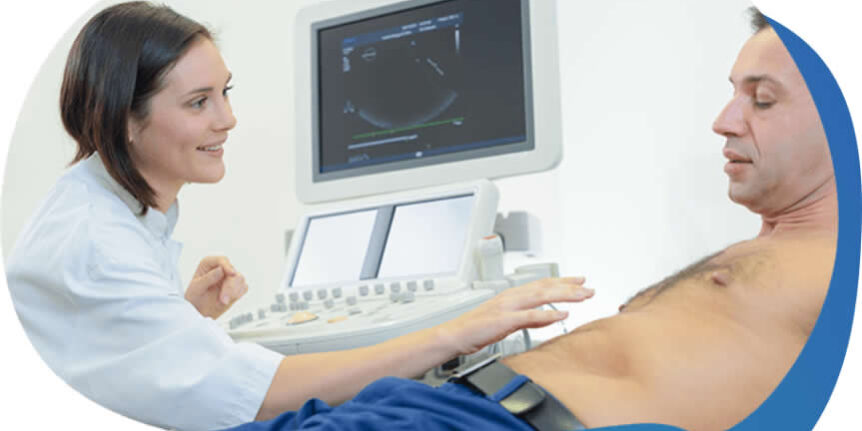
Ultrasound is another useful imaging tool. Since it uses sound waves to create images, this method does not use radiation. A technician applies gel to your skin and moves a small device called a transducer over the area. The images are produced in real time, so the doctor can observe organs in action. Ultrasound is used to examine the gallbladder, liver, kidneys, and blood flow in abdominal vessels. It is a safe and painless procedure, but the level of detail can vary depending on the organ being looked at and your body type.
Magnetic resonance imaging (MRI) is a different option. It uses magnets and radio waves, so it creates detailed images of soft tissues. An MRI is helpful for complex issues. You will lie inside a large, tube-shaped machine during the test, so let the staff know if you feel anxious in small spaces. Magnetic resonance imaging (MRI) is a different option. It uses magnets and radio waves. This creates detailed images of soft tissues.
Imaging Results
Each imaging test is different. The procedures have specific preparations, and these may change depending on the type of test you will have. You might need to avoid eating or drinking for several hours, especially before procedures like CT or MRI scans. Sometimes, you may need to change into a gown to prevent metal items or clothing from affecting the images. Your doctor will provide you with specific instructions beforehand, and following them is necessary for clear results. Be sure to tell the medical team about any health conditions or allergies you have before the test begins. Some tests use contrast materials, so sharing any past reactions or allergies helps keep you safe and helps achieve successful images. If you have questions or concerns, let the staff know—they are there to guide and support you through the process. After the imaging is complete, a radiologist will review the images.
Book an Appointment Today
The results will guide your care, and your doctor will explain everything to you. They will answer your questions. Have an open conversation with your healthcare provider to plan your treatment. Because this is your time to better understand your health, do not hesitate. Make an appointment today.





