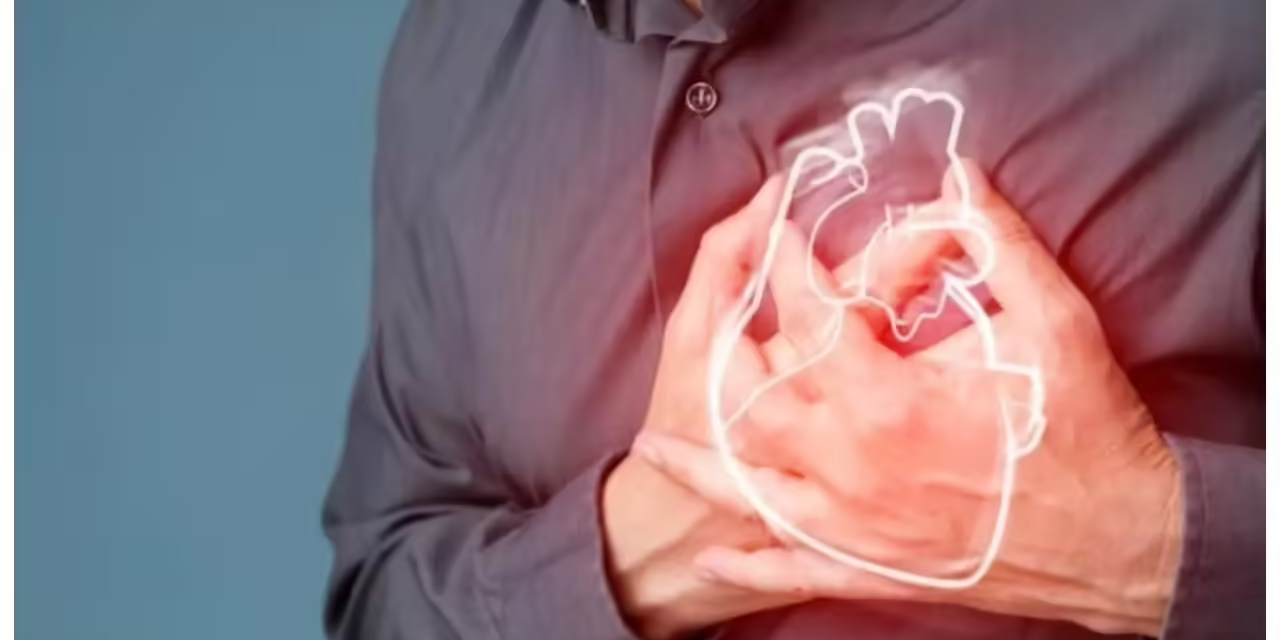
Heart disease is often seen as a problem that affects men, but in reality, it is the leading cause of death for women worldwide. Despite this, women are often less likely to recognize the early warning signs, and symptoms can sometimes appear differently than they do in men. Understanding the early signs of heart disease in women can be life-saving. Early detection gives women the chance to take preventive steps, seek treatment, and maintain a healthy heart.
In this article, we’ll explore the common early signs of heart disease in women, why these signs may differ from men, and what you can do to protect your heart.
Why Heart Disease in Women is Different
Heart disease in women often develops silently, without obvious symptoms. When symptoms do appear, they can be subtle or easily mistaken for less serious conditions, like stress, fatigue, or indigestion.
One key difference is that women are more likely than men to develop microvascular disease, where the small blood vessels of the heart are affected. This can cause chest pain and other symptoms, even if major arteries are not blocked. Because of these differences, women’s heart disease is sometimes overlooked or misdiagnosed.
Common Early Signs of Heart Disease in Women
1. Chest Discomfort or Pain
Chest pain is the most well-known symptom of heart disease, but in women, it can be different from the classic “crushing” chest pain men often report. Women may experience:
- Pressure, tightness, or squeezing in the chest
- Pain that comes and goes
- Pain in the upper back, neck, jaw, or shoulders
These symptoms may be subtle and may occur during physical activity or even at rest. Because chest discomfort can be mild, women may delay seeking help, which is dangerous.
2. Shortness of Breath
Feeling unusually winded or struggling to breathe during simple activities like climbing stairs or walking a short distance can be an early sign of heart disease. Women may also notice shortness of breath at night, which can disrupt sleep. This symptom occurs because the heart is not pumping blood efficiently, leading to fluid buildup in the lungs.
3. Unusual Fatigue
Extreme or unusual fatigue is often overlooked but is a common early sign of heart problems in women. This fatigue is different from feeling tired after a long day—it can be persistent, sudden, or disproportionate to activity levels. Women may experience fatigue weeks before a heart attack or other serious heart events.
4. Lightheadedness or Dizziness
Feeling dizzy or fainting can be linked to a decrease in blood flow due to heart problems. These symptoms are sometimes caused by irregular heartbeats or heart valve issues. Women who experience frequent dizziness or fainting should seek medical evaluation promptly.
5. Indigestion, Nausea, or Stomach Pain
Women may experience gastrointestinal symptoms that mask heart problems, including:
- Nausea or vomiting
- Stomach or abdominal pain
- A feeling of fullness or indigestion
These symptoms can easily be mistaken for common digestive issues, which is why heart disease in women can be underdiagnosed.
6. Swelling in Legs, Ankles, or Feet
Swelling, also called edema, may occur when the heart isn’t pumping efficiently. Fluid can accumulate in the lower extremities, causing noticeable swelling or puffiness. This is especially concerning when accompanied by fatigue or shortness of breath.
7. Palpitations or Irregular Heartbeat
Women may experience irregular heartbeats, skipped beats, or a racing heart. While palpitations are often harmless, when combined with other symptoms, they may indicate an underlying heart problem.
Risk Factors for Women
While heart disease can affect anyone, women may have unique risk factors, including:
- Menopause: Reduced estrogen levels can increase the risk of heart disease.
- Pregnancy complications: Conditions like preeclampsia, gestational diabetes, or high blood pressure during pregnancy can raise long-term heart disease risk.
- Autoimmune diseases: Conditions like lupus or rheumatoid arthritis are more common in women and increase heart disease risk.
- Lifestyle factors: Smoking, poor diet, lack of exercise, and stress affect heart health.
- Family history: Having close relatives with heart disease increases risk.
Understanding your personal risk factors can help you stay proactive about heart health.
Preventing Heart Disease in Women
Prevention is key. Here are steps women can take to protect their hearts:
- Regular Checkups: Visit your doctor regularly to monitor blood pressure, cholesterol, and heart health.
- Healthy Diet: Eat a balanced diet rich in fruits, vegetables, whole grains, lean protein, and healthy fats.
- Exercise: Aim for at least 150 minutes of moderate activity per week.
- Manage Stress: Stress can affect heart health, so practices like yoga, meditation, or mindfulness can help.
- Quit Smoking: Smoking significantly increases heart disease risk.
- Monitor Symptoms: Don’t ignore unusual fatigue, chest discomfort, or shortness of breath—seek medical attention.
When to Seek Help
If you notice any combination of these symptoms, it’s important to contact a healthcare provider immediately. Early intervention can prevent serious heart events, including heart attacks and strokes. Women should advocate for themselves, as heart disease is sometimes underdiagnosed in females.
FAQs About Heart Disease in Women
1. Can young women get heart disease?
Yes. While risk increases with age, young women can develop heart disease, especially if they have high blood pressure, diabetes, high cholesterol, or a family history of heart problems.
2. Are heart attack symptoms different in women than men?
Yes. Women often have more subtle symptoms, such as fatigue, shortness of breath, nausea, or jaw/shoulder pain, rather than the classic chest-crushing pain often seen in men.
3. How can I reduce my risk of heart disease?
Maintain a healthy lifestyle: eat a balanced diet, exercise regularly, avoid smoking, manage stress, and attend routine medical checkups.
4. Is fatigue always a sign of heart disease?
Not always, but unusual or persistent fatigue—especially when combined with other symptoms—can be an early sign of heart disease in women and should be evaluated by a doctor.
5. Can pregnancy complications affect future heart health?
Yes. Conditions like preeclampsia, gestational diabetes, or high blood pressure during pregnancy increase long-term risk of heart disease. Women with these histories should discuss heart health with their doctor.
Conclusion
Heart disease in women can be silent, subtle, and sometimes misleading. Recognizing the early signs—from unusual fatigue to chest discomfort, shortness of breath, or swelling—can be life-saving. By understanding risk factors, maintaining a heart-healthy lifestyle, and seeking medical care promptly, women can protect their hearts and improve long-term health.
Remember, your heart is irreplaceable. Listening to your body, monitoring symptoms, and taking action early can make all the difference.