Elbow pain affects people across a wide range of ages and activity levels. It may develop from repetitive strain, overuse, or underlying joint disorders. Persistent discomfort can limit mobility and interfere with routine tasks because the elbow plays a central role in arm and hand function. Here is a closer look at the exercises and treatments that help manage elbow pain:
Soothing Elbow Discomfort
Home care is often the first response when elbow pain occurs. These steps address swelling and irritation, and they can support your recovery between clinical visits. Here are some practical measures that can help with the discomfort:
- Rest the joint: Pause activities that trigger pain, and give the tissues time to settle.
- Apply cold: Use an ice pack wrapped in cloth for a few minutes to ease swelling.
- Compression: Wear a supportive brace or wrap to limit movement that aggravates the joint.
- Over-the-counter support: Speak with a pharmacist about products that may reduce discomfort, and follow the label instructions.
Stretching and Strengthening for Relief
Gentle movement keeps the elbow flexible, and it supports the muscles that stabilize the joint. Start slowly, and stop any exercise that increases pain. A wrist flexor stretch is a helpful starting point: extend your arm, point your fingers down, and gently pull them toward your body until you feel a mild stretch. Hold this position for about 15-30 seconds, then repeat a few times on each side.
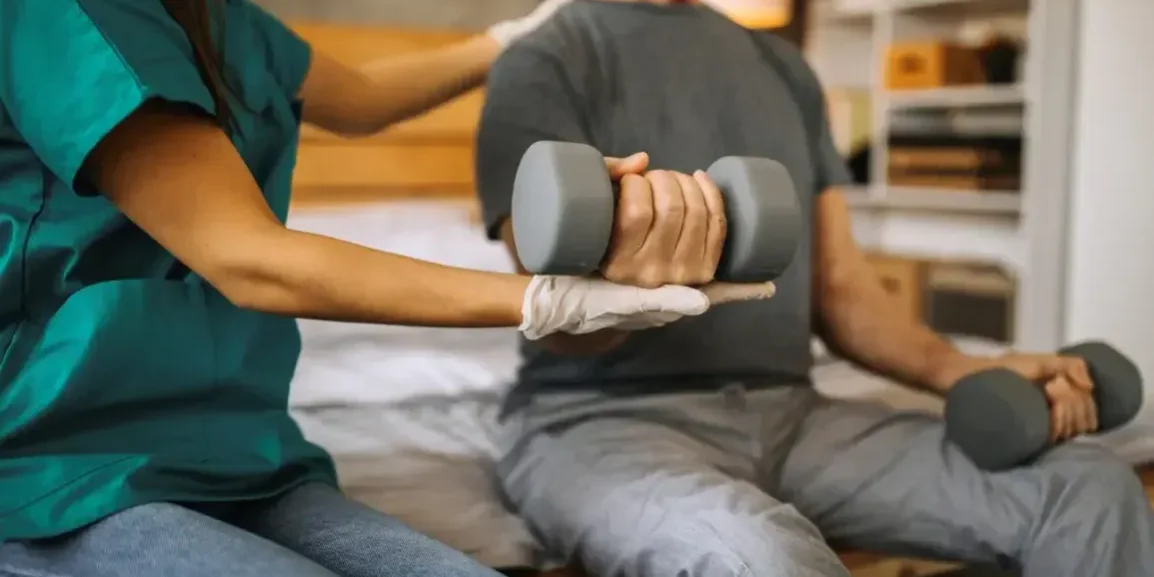
Strengthening work builds the support your elbow relies on during daily tasks. Wrist curls with a light weight can activate the forearm muscles, and slow, controlled movement protects the joint. Grip exercises, such as squeezing a soft ball, add another layer of support. Progress gradually, and increase resistance only when the current level feels comfortable.
Getting Professional Treatment
If home care and exercises do not provide enough relief, professional treatment becomes a key next step. A specialist can assess the cause of your elbow pain and recommend options suited to your condition. Treatments range from guided rehabilitation to procedures that address deeper problems.
Physical Therapy
Physical therapy centers on restoring movement, strength, and stability through structured sessions. A therapist evaluates your range of motion and designs exercises that match your specific needs. This guided approach helps you progress safely, and it reduces the risk of aggravating the joint. Sessions often combine hands-on techniques with a home program you continue between appointments.
Surgical Evaluation
Some cases of persistent elbow pain require a surgical evaluation, and this step follows a detailed review of your history and prior treatments. A surgeon examines imaging results, discusses your symptoms, and explains whether a procedure may address the underlying issue. This conversation gives you a clear picture of the potential benefits and recovery timeline.
Preventing Elbow Pain
Prevention focuses on protecting the joint after your symptoms improve. Small adjustments to daily habits can lower the risk of elbow pain returning. Warm up before repetitive tasks or sports, and keep the forearm muscles conditioned through regular exercise. Pay attention to posture and technique during activities that load the elbow, and correct movements that place unnecessary strain on the joint. Equipment choices also affect long-term comfort. Tools with cushioned grips can reduce pressure, and properly sized gear supports better mechanics. Take breaks during extended tasks, and rotate activities so one motion does not dominate your day.
Book Your Elbow Pain Appointment
Managing elbow discomfort often combines home care, targeted stretches, strengthening exercises, and professional treatment when needed. Home steps address early swelling, exercises restore function, and clinical options such as physical therapy or a surgical evaluation address deeper concerns. Contact a qualified orthopedic surgeon near you to book your elbow pain appointment today.