
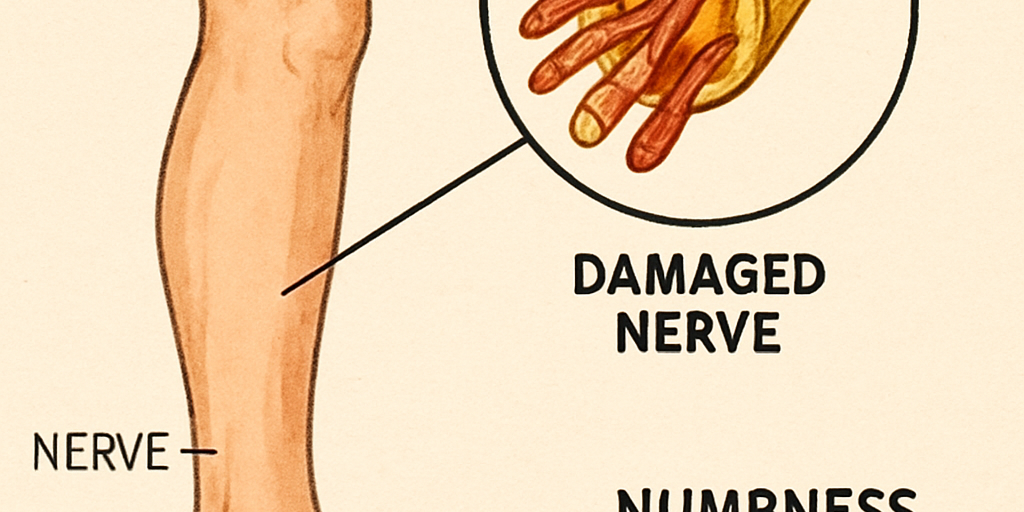
Complex regional pain syndrome (CRPS) is a chronic condition that typically affects one limb, and it develops after an injury, surgery, or a period of immobility. The pain feels out of proportion to the original event, and it changes how your body works day to day. When you understand these physical effects, you gain a clearer picture of what your body is experiencing. Here is more information about this condition and its impact on your well-being:
Burning Sensations
Many people with CRPS feel a constant burning feeling in the affected limb. This sensation lingers even when nothing touches the skin. The heat may feel deep, and it sometimes spreads beyond the injury site. Since the nervous system stays overactive, everyday activities become harder to manage.
The burning sensation is one of the hallmark symptoms of CRPS, and it can be very intense. It persists throughout the day, making it difficult for individuals to relax or focus on other tasks. While the exact cause of this sensation is complex and involves a combination of nerve signals and inflammatory responses, understanding it can help in finding effective strategies for relief.
Throbbing Limb Pain
Throbbing pain is another major feature, and it comes in waves. This pulsing discomfort follows a rhythm that matches your heartbeat. When the throbbing intensifies, simple movements start to feel exhausting. You notice the ache more at rest, though it rarely disappears completely.
Disrupting Sleep and Mobility
Poor sleep is a frequent companion of CRPS, and it drains your daily energy. Pain flares at night keep the body alert, so deep rest becomes difficult to reach. When sleep suffers, your recovery slows, and your focus fades. Fatigue may make each morning harder than the last.
CRPS also limits how freely you move. The affected limb may stiffen, and small tasks require extra effort. Since motion triggers pain, many people avoid using the limb altogether. That avoidance leads to weaker muscles over time.
Reduced mobility affects several parts of daily life. Watch for these changes in your routine:
- Difficulty gripping objects or opening doors
- Trouble walking short distances without rest
- Struggles with dressing, cooking, or bathing
These shifts add up, and they reshape how you plan your day. When you track them early, you give your care team useful information. Small notes about your limits help guide the next steps.
Swelling and Color Changes
Swelling often appears in the affected area, and it may come and go. The limb sometimes looks puffy, while the skin feels tight or warm. Since blood flow shifts unevenly, the tissue reacts in visible ways. These changes are physical signs that the condition remains active.
Color changes are equally noticeable, and they vary from person to person. The skin might turn red, pale, blue, or blotchy. When circulation drops, the limb may feel cold to the touch. You may also see shiny skin or altered nail growth over time.
Each option addresses a different part of the condition. CRPS can shift over time, and your plan may change too. When new symptoms appear, share them with your provider right away.
Get Treated for CRPS
CRPS affects your body in measurable ways, and early attention makes a difference. A specialist reviews your symptoms and builds a plan around your specific needs. Treatment may combine several approaches to address pain and movement together, and when you act sooner, you give yourself more options to work with. Schedule an appointment with a pain specialist to discuss your options, and bring notes about your pain, sleep, and mobility to that visit.





