Missing teeth often affects chewing, speech, facial support, and overall oral health. Tooth replacement solutions can restore function, improve appearance, and prevent nearby teeth from shifting out of place. Choosing the right option often depends on factors such as oral health, bone support, and long-term care needs. Here is a closer look at factors to review when choosing solutions for replacing missing teeth:
Assessing Oral Health Needs
The first step in choosing a tooth replacement solution is understanding your current oral health. A dental provider will examine the condition of your gums, remaining teeth, and jawbone before recommending any option. The number of missing teeth also plays a role; replacing a single tooth calls for a different approach than replacing multiple teeth or a full arch. The location of the missing tooth matters, as teeth in visible areas or high-pressure chewing zones may have specific requirements. Underlying conditions such as gum disease or bone loss need to be addressed before tooth replacement begins. Your provider will assess whether preparatory treatment is necessary.
Exploring Treatment Options
Multiple tooth replacement solutions are available, and each one is applicable to different clinical situations. Here is a brief overview of the most common options:
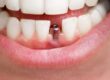
- Dental implants: A titanium post is placed into the jawbone to support a crown.
- Fixed dental bridges: A bridge uses crowns on adjacent teeth to anchor an artificial tooth in the gap.
- Removable partial dentures: These appliances replace one or more missing teeth and can be removed for cleaning.
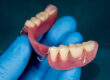
- Full dentures: Full dentures replace an entire arch of teeth and rest on the gums.
- Implant-supported dentures: These combine implants with a removable or fixed denture to provide greater stability.
Each option comes with its own timeline and maintenance needs, so reviewing all of them with your provider helps you make a well-informed decision.
Reviewing Comfort and Appearance
Comfort, function, and appearance are three practical factors to review for any tooth replacement solution. A restoration that feels uncomfortable or limits chewing can affect your daily routine. Function refers to how well the replacement works during eating and speaking. Fixed options like implants and bridges tend to function similarly to natural teeth, and removable devices may require an adjustment period.
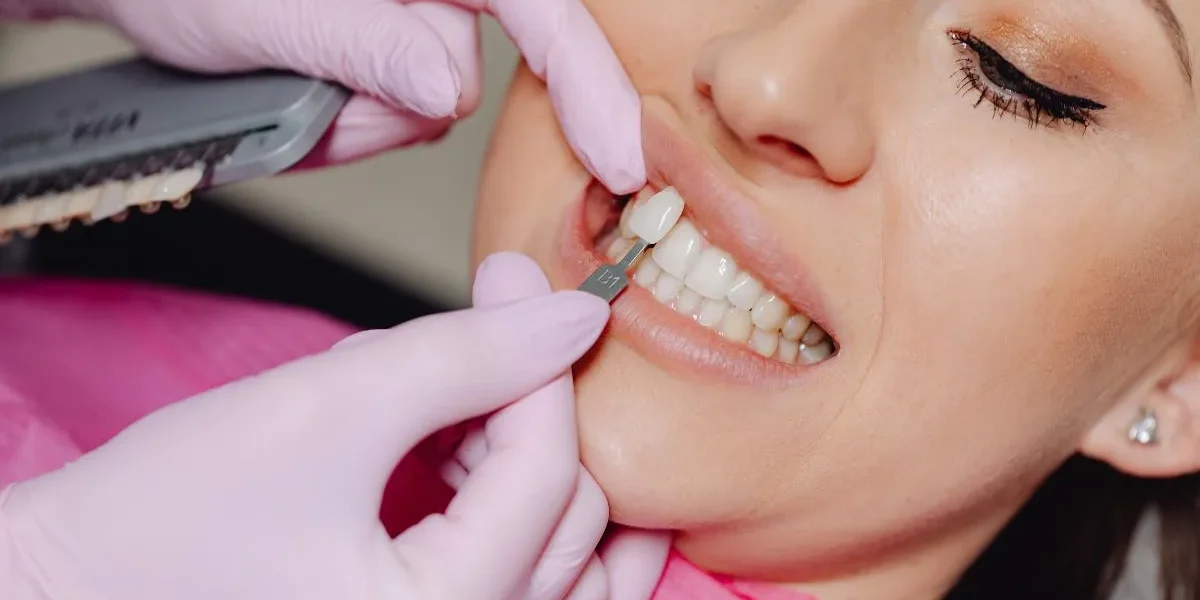
Appearance is another helpful factor to evaluate, especially for teeth in visible areas. Modern restorations often use tooth-colored materials designed to blend with natural teeth. Reviewing before-and-after examples or asking about material choices gives you a realistic expectation of the final result.
Planning Long-Term Care
Every tooth replacement solution requires some level of ongoing care. Understanding the maintenance involved before you choose helps you plan ahead. Here are key maintenance points to review for common options:
- Implants require regular brushing, flossing around the implant site, and routine dental checkups.
- Bridges need careful cleaning beneath the artificial tooth using floss threaders or water flossers.
- Removable dentures should be taken out daily for cleaning and soaked overnight.
- Implant-supported dentures need cleaning around the implant attachments and regular professional maintenance to check the connection points.
Factoring in the time and maintenance effort helps you choose a solution that fits your lifestyle.
Schedule Your Tooth Replacement Appointment
Choosing a solution for replacing missing teeth requires reviewing oral health, comparing options, and evaluating comfort, function, and long-term care. No single option works for everyone, and the right fit depends on specific clinical situation and daily habits. Contact a qualified dentist in your area to schedule your tooth replacement consultation today.