
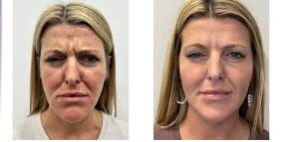
Botox works by temporarily relaxing specific facial muscles. It helps reduce the visibility of fine lines and wrinkles, and it may be discussed as a treatment option for achieving a smoother, more rested appearance. Botox is typically administered through small, targeted injections. The procedure also involves minimal recovery time, which makes it a convenient option for many patients. Here’s more information about this treatment and how it can refresh your appearance:
Understanding What Botox Addresses
Botox is often discussed in connection with expression lines. These lines develop from repeated facial movements such as frowning, squinting, or raising the eyebrows. They may become more pronounced over time, and they sometimes remain visible when the face is at rest. In aesthetic settings, providers utilize Botox as a method for softening the appearance of these lines.
Exploring Possible Treatment Areas
Each face is unique, so the areas discussed during a Botox appointment depend on a personalized evaluation. A qualified provider reviews your specific concerns during a consultation. This assessment helps guide which regions become the focus of conversation and treatment planning. Because expression lines develop differently across individuals, certain areas tend to be discussed more frequently in aesthetic consultations. Some commonly referenced treatment areas include:
- Forehead Lines: Horizontal creases that develop from repeated eyebrow movement and expression.
- Frown Lines: Vertical lines between the eyebrows that form with frowning or concentrated facial activity.
- Crow’s Feet: Fine lines at the outer corners of the eyes that appear with smiling, squinting, or other repeated movements.
Planning Your Treatment Approach
Treatment planning is typically a collaborative step. Rather than following a single fixed formula, a provider tailors the discussion to your facial features and goals. This makes sure the plan reflects your individual situation rather than a standardized template. The planning stage may include mapping out which areas will be addressed and the general sequence of steps. Your provider explains how the plan is structured, along with what each stage involves. Every plan is individualized, so the details depend fully on your personal assessment. Keeping notes during this discussion may make the information easier to review later at home.
Botox produces temporary results, so maintenance is often part of the discussion. Providers may outline general timelines, explaining how follow-up appointments fit into a longer-term approach. Because spacing between sessions depends on individual response and treatment goals, they also review the factors that influence follow-up timing. Results gradually appear within 10 to 14 days, and they typically last a few months before muscle activity begins to return. As movement slowly resumes, fine lines may start to reappear. Maintenance recommendations are adjusted for each patient rather than following a fixed schedule.
Find a Qualified Botox Provider
People may choose Botox for a variety of cosmetic and medical reasons, but it is often used to reduce the appearance of fine lines and wrinkles caused by repeated facial expressions. Common target areas include frown lines, forehead creases, and crow’s feet. By temporarily relaxing targeted muscles, Botox helps create a smoother, more refreshed appearance while still allowing natural expression when done properly. Results are temporary, so treatments can be adjusted over time based on individual goals and how the body responds. Contact a qualified provider today to learn more about this cosmetic solution.




