
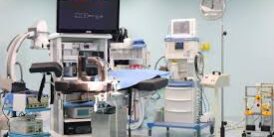
Robotic surgery is a method where a surgeon uses a computer system to control small tools during an operation, usually for hard to reach areas in the body. The doctor sits at a console near the patient and guides robotic arms that hold tiny instruments and a camera. These arms move based on the surgeon’s hand movements, often through very small cuts. The surgeon stays in full control the entire time, and the robot does not act on its own. Here’s information on the advantages of robotic-assisted surgery:
Who May Need Surgery?
People of all ages may need surgery at some point. The reason can be an injury, a disease, or a problem that does not improve with medicine. A doctor may suggest robotic surgery after other treatments have not worked, but they do recommend surgery as a first step for specific serious conditions. Some common reasons people need robotic-assisted surgery include:
- Removing a tumor or growth
- Repairing a damaged organ or joint
- Fixing a blockage or hernia
- Treating heart or blood vessel problems
How Does Robotic-assisted Surgery Work?
During a robotic-assisted procedure, the surgeon controls the system from a console that is in the same room. A high-definition camera sends a magnified, three-dimensional view of the surgical area to a screen, allowing the surgeon to see fine details clearly. The robotic arms hold small instruments that bend and rotate. These tools can move beyond the range of motion of the human hand, so they translate the surgeon’s motions into smaller, steadier movements.
Because the surgical incisions are small, this robotic approach is sometimes called minimally invasive surgery. A trained team supports the surgeon throughout the operation. Nurses, an anesthesiologist, and other staff stay nearby to assist. Here is a simple breakdown of the process:
- The patient is given anesthesia so they feel no pain.
- The surgeon makes one or more small cuts.
- The robotic arms and camera are placed through these openings.
- The surgeon guides the tools from the console to perform the surgery.
- The instruments and camera are removed, and the cuts are closed.
What Surgeries Use This Method?
The right surgical method depends on an individual’s condition, their overall health, and their surgeon’s recommendation. Robotic-assisted surgery is used across several areas of medicine, especially for procedures that require precise control. Doctors often use this method when a procedure requires careful movements in a small space, and it is common in surgeries like hernia repairs or small intestine surgeries. Smaller incisions from robotic surgeries tend to heal more quickly than those from open surgery, allowing many patients to have less downtime and shorter hospital stays. This is beneficial for many individuals, allowing them to recover from major surgery with less physical trauma to the body.
Learn More About Robotic Surgery
If you need surgery, write down your questions before your consultation appointment. You may want to ask about recovery time, possible risks, and why a certain method is recommended. Clear answers help you stay informed about your healthcare needs. For trusted guidance, speak with your doctor or a qualified surgeon regularly. They can explain your care plan in simple terms and help you determine what treatments are appropriate for your needs.




