The heart works continuously throughout your life, and it moves blood, oxygen, and nutrients to every part of the body. When something disrupts this system, the effects can reach far beyond the chest. Cardiology is the branch of medicine devoted to the heart and the network of blood vessels connected to it. A cardiologist is the specialist who studies, diagnoses, and manages conditions that affect these structures. Understanding what this type of doctor does can help you make informed choices about your health and know when to seek their care.
What Is a Cardiologist?
A cardiologist is a physician who focuses on the health of the heart and circulatory system. Their training allows them to interpret complex symptoms and review test results, helping them recommend approaches suited to each person. Some concentrate on general heart care, and others focus on specific areas. This range of expertise means patients can be matched with a provider whose skills fit their particular needs. A primary care physician who notices an irregular heartbeat, high blood pressure, or unusual test results may suggest a referral. Others seek out a cardiologist directly when they notice new symptoms or have a family history of heart problems.
What Do They Treat?
Cardiologists manage a broad set of conditions tied to the heart and blood vessels. Beyond treating active problems, cardiologists also work with patients on prevention. They may review risk factors such as cholesterol levels, weight, physical activity, and tobacco use. They can address these concerns early, and this lets patients and their doctors work together to lower the chance of future complications. Some common conditions they work to prevent or treat include:
- Coronary artery disease, which involves the buildup of material in the arteries that supply the heart.
- Early heart failure, a condition where the heart has trouble pumping blood as well as it should.
- Irregular heartbeats that may be too fast, too slow, or uneven.
- High blood pressure, which places added strain on the heart and vessels over time.
- Problematic heart valves, where the valves that control blood flow do not open or close properly.
Care plans are often tailored to the individual, taking into account age, lifestyle, and overall health.
How Do They Monitor Heart Health?
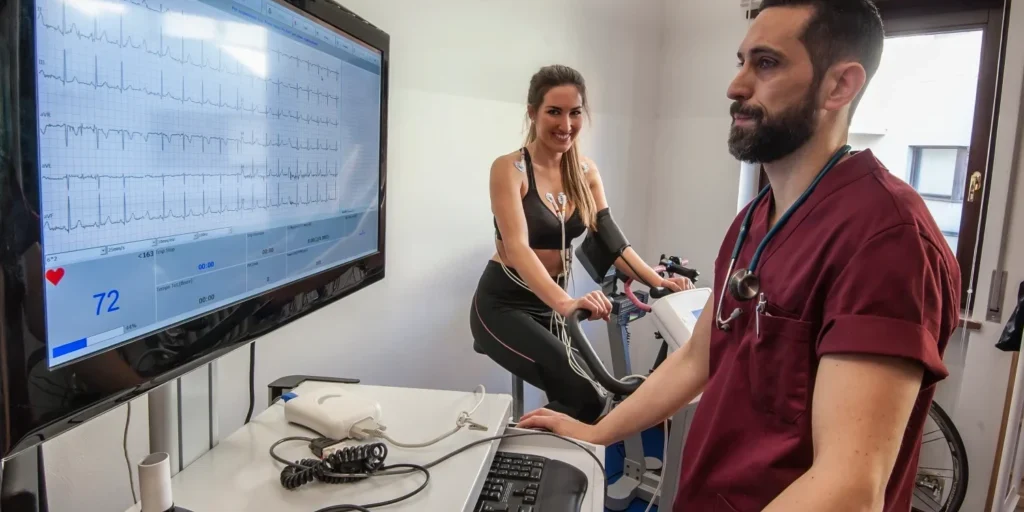
To understand what is happening inside the body, cardiologists rely on a range of tools and tests. An electrocardiogram records the electrical signals of the heart, and this can reveal irregular rhythms. An echocardiogram uses sound waves to create moving images of the heart, showing its size, structure, and how well it pumps. A stress test measures how the heart responds to physical activity.
For ongoing observation, a cardiologist might recommend a Holter monitor, a small device worn for a day or more that records heart activity during normal routines. Imaging such as an ultrasound scan gives a detailed look at the blood vessels. These tests help the specialist build a clear picture over time. Regular monitoring allows a cardiologist to track changes, and this helps them respond to new symptoms and changes as they arise.
Seek Professional Cardiology Care
If you notice symptoms such as chest discomfort, shortness of breath, dizziness, or an irregular pulse, speaking with a cardiologist can help you understand what is happening. Early guidance may make more manageable care available. Building a relationship with a heart specialist gives you a knowledgeable partner who can support your long-term well-being, and this helps you stay informed about the health of your heart.