
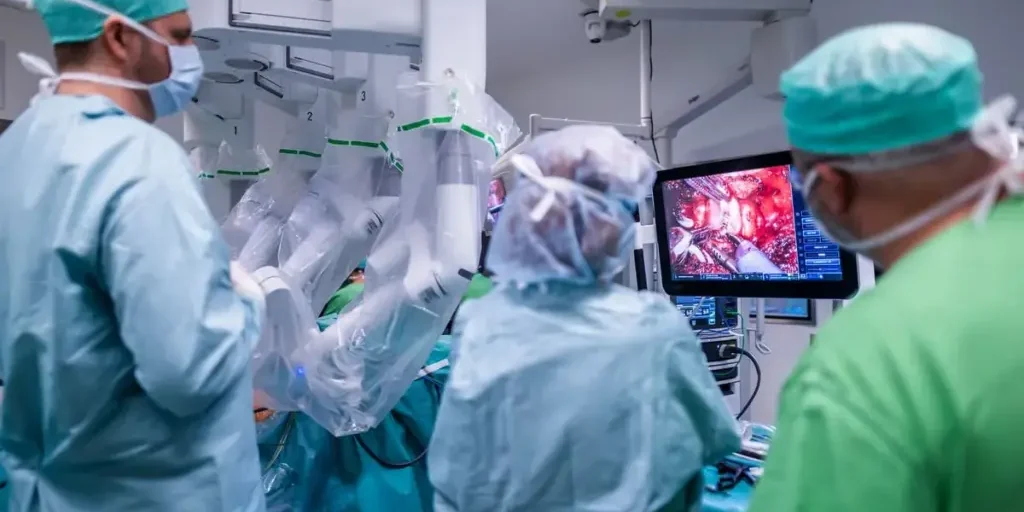
Colon cancer surgery encompasses specialized medical procedures designed to extract malignant tumors from a patient’s lower gastrointestinal tract. Different doctors have specialized niches within oncology, and a patient’s selection of a surgeon changes the approach to the operation. Because digestive system anatomy can present challenges, the nature of the operation relies on the medical provider handling it.
Removal of Polyps
If gastroenterologists detect early-stage growths during a colonoscopy, the attending medical team excises the abnormal tissue to halt disease progression. Medical professionals classify this minimally invasive intervention as a precise excision for minor tumors. This specific medical intervention uses a precise modern instrument, and a trained specialist cleanly extracts the dangerous cellular mass without making any incisions through the patient’s skin. This is usually the simplest form of colon cancer surgery.
Some surgical oncologists focus their practice on early localized interventions, but other specialized doctors are dedicated to treating advanced disease. Because polyps sit flat against the colon lining, the operating doctor navigates the area through a specialized flexible tube. The patient selects an experienced medical expert with a surgical background in polypectomy procedures for early-stage intestinal malignancies.
Partial Colectomy
A major medical procedure called a partial colectomy removes the diseased section of the colon along with any nearby lymphatic nodes and surrounding blood vessels that may be causing problems. The surgeon cuts away the tumor, and the surgical team stitches the healthy intestinal segments to restore normal digestive function. While this surgery is relatively simple, it requires a standard recovery period before the patient can return to normal activities.
While open abdominal surgery requires an incision through muscle tissue, modern laparoscopic surgery utilizes tiny incisions and camera guidance systems. Each medical professional brings a unique surgical skill set to the hospital operating room to manage the disease. Laparoscopic surgeons perform minimally invasive techniques with robotic assistance, and traditional surgeons rely on visual access to the abdominal cavity.
The operation style alters the patient’s recovery timeline, and the medical specialist influences the path from the beginning of treatment. When a patient finds a potential doctor for this procedure, they evaluate their surgical technique preferences alongside their experience history. Technical hands-on experience and surgical capabilities vary among different oncological medical providers.
Ostomy
A more invasive surgical procedure called an ostomy creates an artificial opening in the abdomen for daily bodily waste removal. If the doctor cannot reconnect healthy sections of the colon, an abdominal stoma becomes necessary for daily bodily function. Some post-operative patients receive temporary collection bags for a short time during recovery, or the condition may require a permanent change to the patient’s digestive system.
Schedule Your Colon Cancer Surgery
Because the patient can choose the medical professional for their surgery, reviewing qualifications and training history influences whether the surgeon matches the patient’s needs. The right doctor will use a technique that helps their patients retain the digestive system’s function. A physician chooses a surgical method that addresses the severity of colon cancer. Contact a surgeon to ask questions about colon cancer surgery, and schedule a surgical appointment.





