
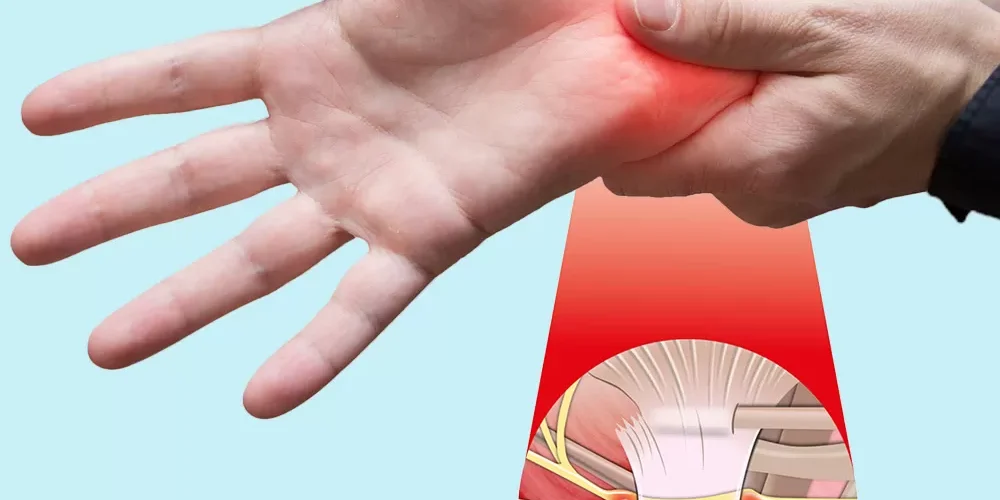
Carpal tunnel syndrome (CTS) occurs when the median nerve becomes compressed as it passes through the wrist. It may cause numbness, tingling, and reduced grip strength in the affected hand. Here are some common signs and symptoms of CTS:
Unusual Hand Sensations
Early signs of carpal tunnel syndrome often begin in the fingers, and they tend to affect the thumb, index, middle, and part of the ring finger. These sensations frequently start subtly, and they can be easy to overlook when they fade quickly. The median nerve controls feeling in specific areas of the hand, so symptoms usually follow a recognizable pattern. Here are some sensations that commonly appear first:
- Tingling in the fingers: A pins-and-needles feeling that often affects the thumb and first two fingers.
- Numbness after activity: A loss of feeling that follows tasks such as typing, gripping, or driving.
- Burning sensations: A warm or stinging feeling that may travel from the wrist toward the fingertips.
Noticeable Changes in Grip
As CTS progresses, some people notice changes in how their hands function, and grip strength is often one of the first areas affected. You may drop objects unexpectedly or struggle to hold small items with a steady hand. Weakness in the hand can make routine tasks difficult, including buttoning clothing, opening jars, or turning keys. When the median nerve faces ongoing pressure, the muscles at the base of the thumb may weaken over time. Tracking these functional changes gives you a fundamental understanding of how the condition affects your daily activities.
Recurring Nighttime Symptoms
Nighttime symptoms are common with carpal tunnel syndrome. These patterns often appear because sleeping positions can keep the wrist bent for long stretches. Recognizing when symptoms cluster at night helps you and your clinician identify possible triggers. Here are some nighttime symptoms patients may experience:
- Waking with numb hands: A loss of sensation that pulls you out of sleep and eases after movement.
- Repeated hand shaking: A habit of flicking or shaking the wrist to reduce tingling.
- Morning stiffness: A tight or heavy feeling in the fingers that lingers after you wake.
Timely Medical Care
Symptoms that persist, worsen, or interfere with daily tasks are worth discussing with a qualified provider. You should schedule an appointment when tingling becomes frequent, grip weakness affects your work, or nighttime symptoms disturb your rest. Early attention gives you more information about your options, and it allows you to explore both nonsurgical and surgical treatment options. A provider will perform a physical examination, review your symptom history, and order tests that measure nerve function. These steps help clarify what is happening within the wrist, and they guide the direction of care.
Schedule Your Carpal Tunnel Syndrome Appointment
CTS can significantly impact your daily life, but understanding your symptoms and exploring treatment options can help you find relief. It often begins with tingling and numbness, progresses to grip changes, and frequently intensifies at night. Recognizing these signs early gives you a helpful foundation for informed decisions about your hand health. Contact a qualified orthopedic surgeon in your area to schedule your carpal tunnel syndrome appointment.





