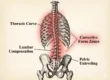

Chronic pain is ongoing pain that lasts six or more months, often persisting long after an initial injury or underlying condition has healed. Beyond its physical effects, it can also affect emotional well-being. Here’s a closer look at the innovative techniques for chronic pain management:
Underlying Causes and Effects
Chronic pain rarely comes from a single source, so specialists examine several factors before recommending treatment. Some pain begins with an injury, while other cases develop from nerve dysfunction or joint degeneration. When you understand the origin, your care team can target the problem more precisely with chronic pain management. Here are some common causes of chronic pain that providers address:
- Nerve-related pain: Damaged or irritated nerves send faulty signals that can produce burning, tingling, or shooting sensations that persist long after tissue heals.
- Musculoskeletal conditions: Arthritis, disc problems, and joint wear create stiffness, and they often limit how far you can bend, walk, or lift.
- Post-injury changes: An old injury may leave lingering pain, and the body sometimes keeps signaling distress even when scans look normal.
- Reduced mobility: Ongoing pain discourages movement, so muscles weaken over time, making everyday tasks harder.
- Sleep and mood effects: Pain interrupts rest, and poor sleep can lower your tolerance for discomfort, creating a self-perpetuating cycle.
Targeted Interventional Techniques
Interventional techniques deliver treatment directly to the source of pain, and they often reduce reliance on oral medication. Specialists use image guidance to place injections or devices with precision, so the therapy reaches the exact structure involved. These procedures vary in scope, but they interrupt the pain signal at its origin. An epidural steroid injection can calm inflammation around a compressed nerve, and a nerve block can temporarily quiet a specific pain pathway.
Other interventional options work through longer-term methods. Radiofrequency ablation uses controlled heat to interrupt nerve signals, and this can offer relief that lasts several months. A specialist reviews your history and imaging first, which helps confirm the best approach for your situation.
Regenerative and Restorative Medicine
Regenerative and restorative medicine focuses on supporting the body’s own repair processes. Clinicians use these approaches as tools within chronic pain management and apply them alongside other therapies. Your provider will explain what each option can and cannot do before you proceed.
Platelet-Rich Plasma Therapy
Platelet-rich plasma (PRP) therapy uses a concentrated sample of your own blood platelets, and a clinician injects it into an affected joint or tendon. The platelets release factors that may support tissue repair. Preparation is quick, and the procedure takes place in an outpatient setting.
Intravenous (IV) Therapy
Intravenous (IV) therapy delivers nutrients, fluids, or medications directly into the bloodstream. This method supports rapid absorption and precise delivery of therapeutic agents; they are used to reduce inflammation, support recovery, or enhance hydration. A healthcare provider monitors the therapy to support accurate administration and optimal results.
Personalized Multidisciplinary Plans
Your team may include a pain specialist, a physical therapist, and other providers, and they coordinate their efforts around your goals. This structure lets each expert address a different part of the problem, which often improves overall results. A thorough evaluation is a helpful first step, and it shapes every decision that follows. Your provider will review your medical history, activity level, and response to earlier treatments before finalizing the plan.
Book Your Chronic Pain Management Appointment
Pain management combines interventional procedures, regenerative options, and restorative care within a plan. A personalized approach evaluates your unique medical history, activity level, and evolving needs. This makes sure care addresses the root causes of your discomfort while adapting to changes over time. Contact a qualified pain specialist near you to book your appointment for chronic pain management today.