
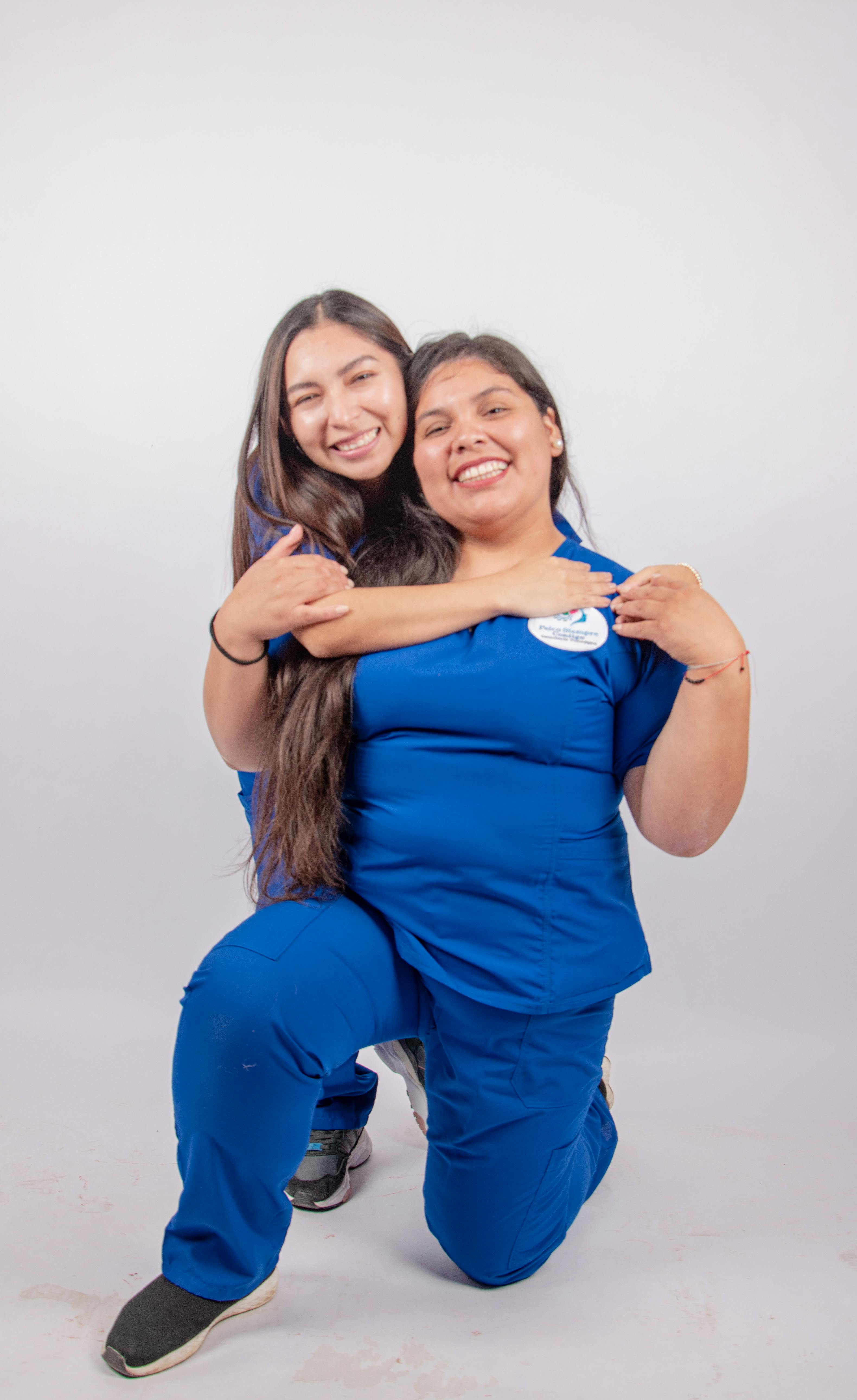
Starting a nursing career has never been more accessible. Flexible online programs certainly allow aspiring nurses to gain essential skills from home.
Becoming a registered nurse requires both practical knowledge and strong critical thinking abilities. Entry-level nursing programs provide foundational training that prepares learners for the demands of modern healthcare settings. Online options now allow lots of students to earn these qualifications without attending in-person classes, offering flexibility for work, family, or other commitments.
Preparing for Real-World Care Through Virtual Simulations
Virtual simulations and interactive case studies are a key component of online nursing programs. These tools allow students to practice decision-making, patient assessment and procedural skills in a safe, controlled environment.
By engaging with simulated scenarios, learners can gain experience handling emergencies, managing complex care situations and applying RN skills in ways that mirror real-world clinical practice. Feedback from instructors and peers helps students refine techniques, identify areas for improvement and build confidence before stepping into a clinical setting. These experiences bridge the gap between theory and practice, ensuring graduates are prepared to deliver high-quality care from day one.
Foundational Clinical Skills You’ll Gain Online
Entry-level nursing programs focus on the practical skills needed to deliver safe and effective patient care. You learn how to perform basic assessments, monitor vital signs, administer medications and follow infection control procedures.
These core competencies ensure that new nurses are prepared to respond appropriately to patient needs in a variety of healthcare environments. By practicing these skills in virtual labs and guided exercises, learners can build confidence before entering clinical settings. Online courses also provide structured opportunities to review procedures and reinforce knowledge, helping to ensure proficiency when transitioning to hands-on patient care.
Developing Communication and Interpersonal Strengths
Effective communication is one of the most critical skills for any nurse. Online entry-level programs emphasize strategies for interacting with patients, families and healthcare teams. Students learn to deliver clear instructions, explain care plans and provide emotional support to patients facing health challenges.
These programs also teach techniques for accurately documenting patient information, which is essential for maintaining continuity of care. Developing strong interpersonal skills alongside technical competencies ensures that you can work collaboratively, resolve conflicts professionally and build trust with patients and colleagues alike.
Mastering Time Management and Critical Thinking
Nursing requires quick decision-making and the ability to prioritize tasks under pressure. Online programs train students to manage multiple responsibilities simultaneously while maintaining high-quality care standards.
Learners develop critical thinking by working through realistic scenarios that challenge them to identify problems, analyze information and determine the most effective interventions. Many online courses also include exercises that teach prioritization, delegation and organizational strategies, helping students balance workload efficiently in fast-paced clinical environments. This combination of planning and analytical skills is essential for success in both entry-level roles and advanced nursing positions.
Using Technology and Digital Tools in Modern Nursing
Technology plays a major role in today’s healthcare system. Online programs prepare students to work with electronic health records, monitoring equipment and other digital tools commonly used in hospitals, clinics and long-term care facilities.
Learning to navigate these systems online helps you become familiar with software, data entry and digital reporting, which are increasingly important for maintaining accurate patient records and supporting evidence-based care. By integrating technology into learning, programs ensure graduates are ready for modern workflows and can adapt quickly to evolving healthcare environments.
Benefits of Flexible Online Learning for Aspiring Nurses
One of the biggest advantages of online entry-level nursing programs is flexibility. Students can access lectures, assignments and virtual labs at times that fit their schedules, making it easier to balance study with work or family responsibilities.
Flexible programs also allow you to progress at your own pace, giving you time to review challenging material or revisit key concepts. This approach supports long-term retention and encourages active engagement with the content. For many students, learning from home can be a more efficient way to manage time, reduce stress, increase motivation and make achieving a nursing qualification more attainable.
Preparing for a Successful Nursing Career
Completing an entry-level nursing program online equips students with a strong foundation for their careers. Graduates are ready to step into hospitals, clinics and community health settings with confidence in their abilities to provide patient-centered care.
By gaining both practical skills and critical thinking capabilities, students are well-prepared to meet the demands of modern healthcare teams. Entry-level programs also create pathways for further professional development, such as pursuing advanced higher qualifications, specialty certifications, or leadership positions within nursing. Online learning ensures that these opportunities are accessible to a wide audience, allowing more people to enter the profession and contribute to the growing healthcare workforce.
In the United States, states such as California, Texas, Florida and New York face ongoing nursing shortages, resulting in high demand for qualified nurses. Graduates with strong entry-level qualifications can find opportunities in these high-need regions, often with competitive benefits. Additionally, a solid nursing foundation opens doors to international work, allowing skilled nurses to travel and gain experience in healthcare systems worldwide, further expanding career prospects while contributing to global patient care.
Flexible online entry-level nursing programs are helping more people than ever start their careers in healthcare. By combining foundational clinical skills, communication strategies, critical thinking, and technology proficiency, you gain a comprehensive education that prepares you for real-world practice. With virtual simulations and self-paced learning, aspiring nurses can develop confidence, competence and readiness to support patients





