
Hypertension, or high blood pressure, is a common chronic condition, and it is managed through medication, regular monitoring, and lifestyle changes. When the condition is left unmanaged, it places significant strain on the heart, arteries, and kidneys, which increases the risk of serious cardiovascular events. Here is more information on this condition, its causes, and lifestyle adjustments that help control it:
What Is Hypertension?
Hypertension is a chronic medical condition in which the force of blood against artery walls remains consistently elevated. Blood pressure is measured in millimeters of mercury (mmHg), and it is recorded as two numbers: systolic pressure over diastolic pressure. When a reading reaches or exceeds 130/80 mmHg, it is classified as hypertension. This condition is often referred to as the “silent killer,” as it rarely produces noticeable symptoms. Routine monitoring remains a key component of effective management.
What Causes It?
Hypertension develops from a combination of genetic, behavioral, and environmental factors. Common contributors include:
- Non-modifiable risk factors, such as age, family history, and ethnicity
- Modifiable risk factors, including obesity, a sedentary lifestyle, and high sodium consumption
- Underlying medical conditions, such as chronic kidney disease and sleep apnea
Identifying specific risk factors is useful when working with a cardiologist to build a targeted management plan.
How Is Hypertension Controlled?
When blood pressure requires ongoing management, treatment typically combines pharmacological interventions with consistent lifestyle modifications to support long-term control. Medications are commonly prescribed, and a cardiologist will determine the most appropriate option based on the patient’s readings, overall health status, and any existing comorbidities. Selection depends on the individual’s profile.
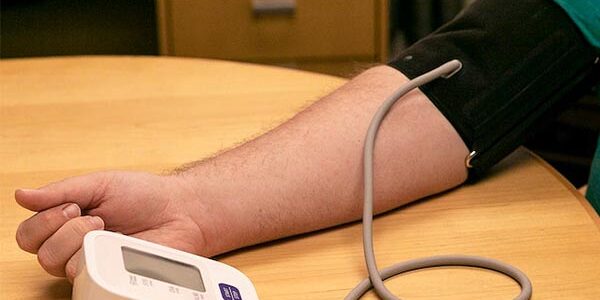
Home blood pressure monitoring plays a role in long-term management, as it provides the care team with data beyond the clinical setting. Regular self-checks capture fluctuations that may otherwise go undetected. Consistent tracking supports timely medication adjustments, and when combined with scheduled follow-up appointments, it allows the care team to respond effectively to any changes in the patient’s health.
What Lifestyle Adjustments Are Beneficial?
Lifestyle modifications are a valuable component of hypertension management. Reducing sodium intake is one such modification; consuming no more than 1,500 mg is beneficial for those with hypertension. Processed foods, canned goods, and restaurant meals are common sources of excess sodium that should be limited. Regular aerobic exercise helps lower systolic blood pressure, which makes it an effective non-pharmacological intervention. Alcohol consumption should also be limited.
Stress management, weight reduction, and dietary adjustments each contribute to blood pressure control. Chronic stress activates hormonal pathways that elevate blood pressure; techniques such as meditation and structured sleep schedules can help. For patients who are overweight, weight loss can produce a notable drop in blood pressure. The DASH diet, which is rich in fruits, vegetables, whole grains, and low-fat dairy, also helps lower blood pressure.
Make a Change Today
Hypertension is a manageable condition when approached with consistency and medical guidance; combining prescribed treatment with targeted lifestyle changes helps cardiology patients achieve long-term blood pressure control. Small, sustainable adjustments can add up to meaningful improvements over weeks and months. If you have high blood pressure, speak with your cardiologist about which modifications align with your current health status and treatment plan.





