
Foot pain that appears with your first steps in the morning is a common complaint, and one frequent source of that discomfort is plantar fasciitis. This condition affects the tissue that supports the arch of the foot, influencing daily activities such as walking, standing, and exercise. Understanding what the condition involves, how people manage it, and what plantar fasciitis treatment involves can help you make informed decisions about your foot health.
What Is Plantar Fasciitis?
Plantar fasciitis relates to the thick band of tissue that runs along the bottom of the foot. This band connects the heel bone to the base of the toes, and it helps support the arch during movement. When the tissue becomes irritated or strained, discomfort often develops near the heel.
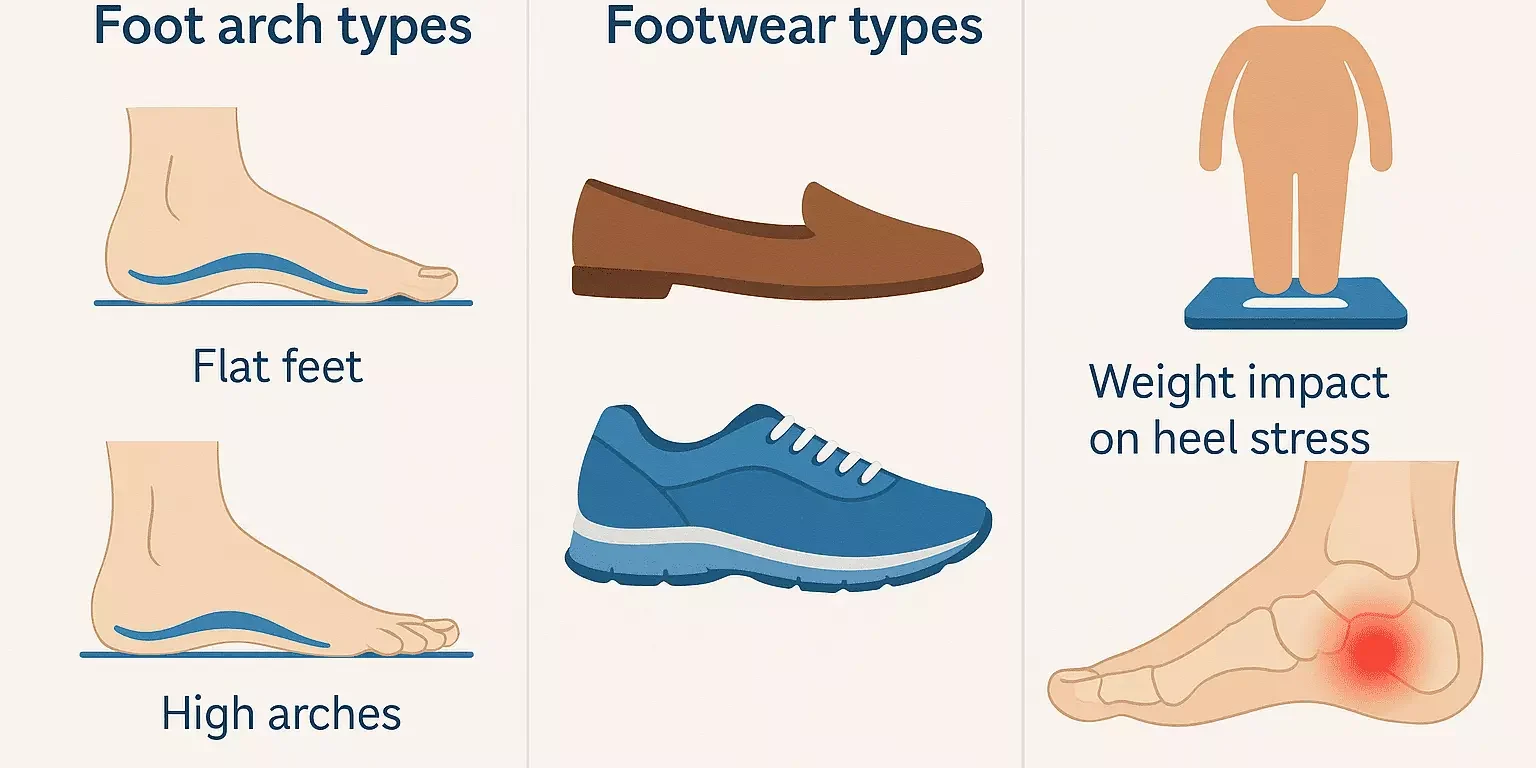
The most recognized symptom is pain that feels sharp or stabbing, usually along the underside of the heel. The pain may ease with movement, but it can return after extended activity. Several factors are associated with this condition. Prolonged time on the feet, repeated stress on the heel, footwear that offers limited arch support, and changes in body weight can all play a role. Foot structure, such as high arches or flat feet, may also contribute. The condition also frequently appears in adults between 40 and 60.
How Is It Managed?
Managing plantar fasciitis often begins with adjustments that reduce strain on the affected tissue, and people may start with simple, at-home approaches before seeking additional support. Rest is a common first step. Limiting activities that aggravate the heel gives the tissue an opportunity to recover. Applying a cold compress to the area may help reduce swelling, providing temporary relief.
Footwear choices can make a noticeable difference. Shoes with supportive arches help distribute pressure across the foot. Some people add orthotic inserts, either over-the-counter or custom-made, to provide extra support where it is needed. Stretching is another widely used approach; gentle stretches that target the calf muscles and the arch of the foot can ease tension in the plantar fascia.
Maintaining a healthy body weight reduces the load placed on the feet, and this may lessen strain over time. For those who exercise, choosing low-impact activities can keep the body active while limiting repeated pressure on the heel. Swimming or cycling are low-impact exercises that may be adopted.
How Is It Treated?
At-home methods can be insufficient in providing relief, and professional plantar fasciitis treatment options should be explored. A provider typically begins with an evaluation of the foot, a review of symptoms, and questions about daily habits and activity levels. X-rays are sometimes used to rule out other causes of heel pain. Treatment plans vary based on the severity of symptoms and individual needs. Physical therapy is a common recommendation, focusing on targeted exercises and stretches that support recovery.
Supportive devices are another option. Night splints hold the foot in a position that keeps the plantar fascia gently stretched during sleep. Custom orthotics can be prescribed to address specific structural concerns. In cases where discomfort persists, providers may discuss further interventions. These can range from anti-inflammatory measures to more advanced procedures. A provider may explain the range of choices, and they will help guide a suitable path forward.
Seek Professional Plantar Fasciitis Treatment
Persistent heel pain does not have to interfere with everyday life. A foot care professional will assess your symptoms, and they may develop a plan suited to your situation. Early attention can support a smoother recovery, preventing minor discomfort from becoming a longer-term concern. If heel pain continues despite home care, reaching out to a provider is a practical next step toward achieving relief.





