Maintaining healthy teeth requires regular visits to a family dentistry clinic. A family dentist provides comprehensive care for patients of all ages, and they adapt treatments to meet the needs of varying developmental stages. When you schedule routine appointments, your provider may assess your current habits and identify potential problems early. Here is more information on oral hygiene tips family dentists provide:
What Is Family Dentistry?
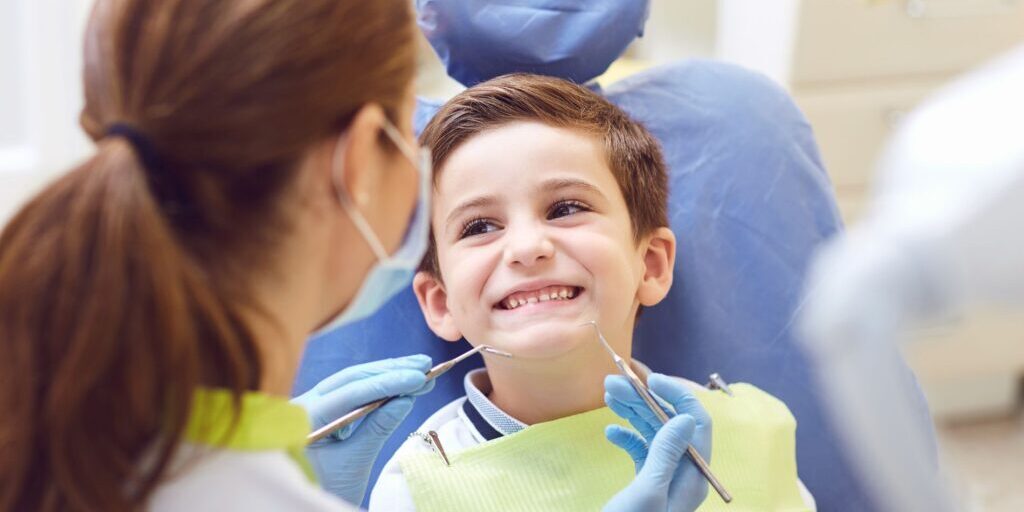
Family dentistry focuses on oral health at every stage of life. Children need specialized attention, and these professionals can closely monitor their jaw development. Adults face various challenges, such as gum disease and tooth decay, so a family dentist can offer tailored restorative procedures. This field combines preventative care with broad medical knowledge to improve oral health.
What Are the Available Services?
Clinics offer preventative care, restorative treatments, and routine cosmetic procedures. During routine visits, hygienists perform a professional cleaning to remove hardened calculus deposits. Dentists may apply topical fluoride varnishes, and this preventive measure helps reduce the incidence of bacterial infections.
Restorative treatments repair damage caused by trauma or active decay. If a patient develops a cavity, the provider removes the infected tissue before placing a filling. Advanced structural damage requires artificial crowns, and severe pulpal infections necessitate root canal therapy. These interventions reduce pain while restoring standard chewing function.
Some family practices also incorporate basic cosmetic enhancements into their service offerings. Providers offer tooth-whitening solutions, and they apply dental bonding to correct minor chips. These procedures focus on aesthetics, but can also improve overall well-being. The primary clinical goal remains the preservation of biological dental structures.
What Conditions Do Dentists Treat?
Dental professionals manage various infectious diseases affecting the teeth and gums. Dental caries are common, and clinics also treat periodontal disease at varying stages. Early gingivitis causes localized tissue inflammation, and advanced periodontitis leads to permanent alveolar bone loss. Prompt clinical intervention arrests the progression of these bacterial infections, improving oral health.
What Does Oral Hygiene Involve?
Personal dental maintenance requires daily mechanical cleaning of all accessible oral surfaces, and dental professionals can provide oral hygiene tips. Patients benefit from brushing their teeth daily and using dental floss to remove debris from tight spaces. Bacteria can accumulate on smooth surfaces, so consistent plaque disruption helps prevent acid erosion of the outer enamel. Effective plaque control is key to disease prevention.
Nutritional choices play a role in maintaining systemic and oral health. When individuals consume high volumes of fermentable carbohydrates, their risk of developing decay may increase. Supplementary hygiene devices enhance the effectiveness of standard home care routines. Water flossers dislodge debris from deep periodontal pockets, and interdental brushes effectively clean concave root surfaces.
What Tips Do Dentists Provide?
Providers may recommend specific techniques for maximum plaque removal. When you brush your teeth, angle the bristles toward the gumline. Use gentle circular motions, or you may permanently damage the enamel, and replace your toothbrush every few months.
Diet plays a significant role in overall health. Sugary snacks feed harmful bacteria, so limit your intake of acidic drinks and sweets. Drinking plenty of water washes away food particles, and a balanced diet strengthens your teeth. Crunchy vegetables may naturally stimulate saliva production, which is beneficial
Improve Your Oral Hygiene Today
Consistent dental care minimizes your risk of severe complications. A family dentist provides continuous support, and their guidance keeps your teeth healthy over time. Although home routines establish a strong foundation, professional cleanings effectively remove hardened tartar. Schedule your next routine checkup to maintain a healthy smile.