
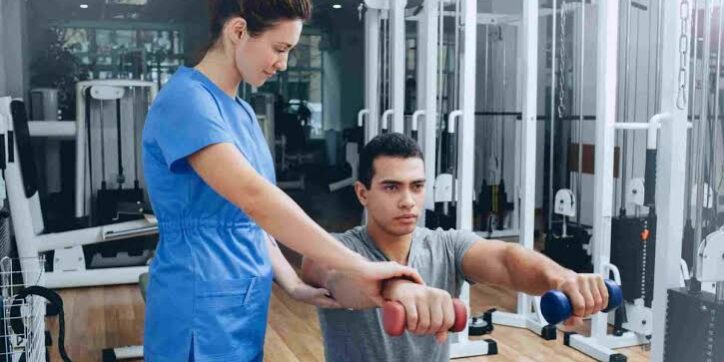
Fully recovering from a sports injury takes more than rest; the body requires targeted support to regain strength and restore movement. Without the right support, the risk of re-injury or prolonged recovery increases. Sports medicine provides a structured framework that combines clinical expertise with individualized care, which makes sure that each patient receives a plan suited to their specific needs. Here is more information on rehabilitation strategies in sports medicine:
What Is Sports Medicine?
Sports medicine is a branch of healthcare focused on the prevention, diagnosis, and treatment of injuries related to physical activity; the goal is to restore function and support a safe return to activity. Since musculoskeletal disorders encompass both acute injuries and chronic conditions, practitioners in this field provide care for patients presenting with fractures, sprains, joint degeneration, and a wide range of related disorders. Treatment plans are built around a patient’s specific injury, activity level, and recovery goals.
Who Does Sports Medicine Help?
Sports medicine serves a broad range of patients, and the field extends beyond professional athletes. Recreational exercisers, older adults managing joint conditions, and patients recovering from orthopedic surgery may all receive care within this specialty. Individuals who are dealing with musculoskeletal injuries may benefit from specialized care, as such interventions are intended to promote the restoration of functional abilities.
Age and fitness level do not determine eligibility. A teenager recovering from an ACL tear and a retiree managing knee osteoarthritis may both receive care within the same specialty, as treatment approaches are adapted to meet individual clinical needs. The approach accounts for each patient’s lifestyle demands; this makes sure that recovery goals remain realistic and specific to the individual.
What Are Rehabilitation Strategies?
Rehabilitation strategies are structured, evidence-based interventions designed to restore physical function after injury or surgery. Common approaches include:
- Physical therapy: Guided exercises to rebuild strength, flexibility, and coordination
- Manual therapy: Hands-on techniques to reduce pain and improve range of motion
- Platelet-rich plasma (PRP) injections: A concentration of platelets derived from the patient’s own blood, injected into the injured site to promote tissue repair
Each strategy is selected based on the type of injury, the stage of healing, and the patient’s functional goals. Practitioners regularly reassess progress and adjust the plan accordingly.
How Do They Promote Recovery?
Rehabilitation promotes recovery by addressing the biological and functional effects of injury, which facilitates tissue healing and the restoration of physical function. Structured exercise stimulates tissue remodeling. It encourages collagen formation in tendons and ligaments, and strength training rebuilds muscle that atrophies during periods of immobilization or reduced activity.
Injuries sometimes disrupt the way the nervous system coordinates muscle activity, which can lead to compensatory habits and increase re-injury risk. Rehabilitation addresses these movement patterns and neuromuscular control. Targeted training restores proper movement mechanics, and it teaches the body to respond effectively under load so that long-term function is preserved.
Support Your Recovery Today
Sports medicine offers a clinically grounded approach to recovery. Through structured rehabilitation strategies, patients can recover from injury efficiently, and professional support helps reduce the likelihood of future setbacks. If you are managing a sports-related injury, consult a qualified sports medicine practitioner to develop a customized rehabilitation plan. Early intervention and consistent, guided care can make a difference in long-term outcomes.





