
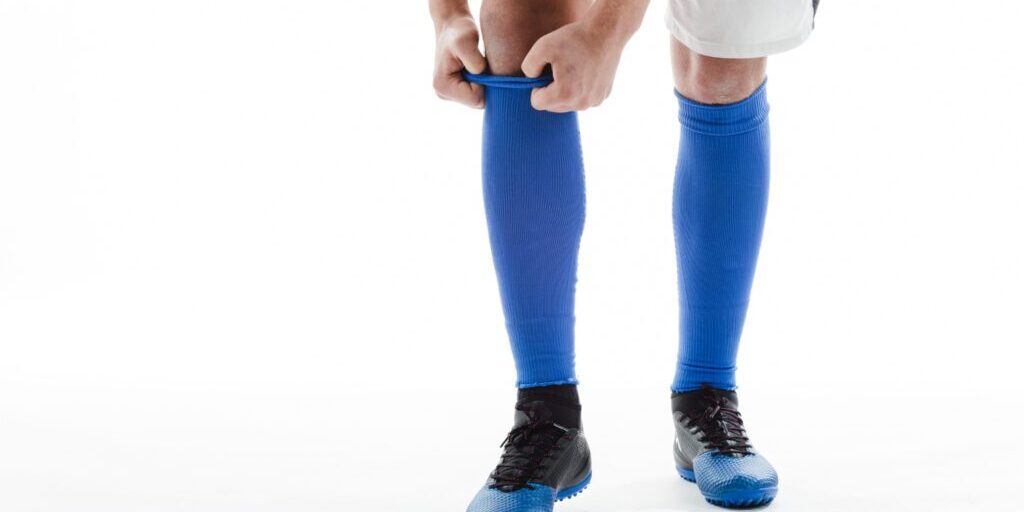
Many individuals experience leg discomfort or swelling after long periods of standing or sitting, and special garments exist to help alleviate these routine issues. Compression socks offer a straightforward method to support leg function throughout the day. They serve a wide variety of people, from those who work on their feet to runners looking for recovery support. By applying gentle pressure to the lower limbs, these garments facilitate normal physiological processes.
What Are Compression Socks?
Compression socks are specialized hosiery designed to gently squeeze the legs. Unlike standard socks, they maintain a specific level of pressure against the skin and underlying tissues. Manufacturers produce them in multiple lengths; they range from ankle-high and knee-high versions to full tights that cover the entire leg.
These garments come in different categories based on their intended use. Graduated compression stockings are a common type, and they exert varying degrees of pressure along the leg to influence fluid dynamics. Beyond traditional socks, alternatives like compression wraps exist for individuals who struggle with pulling tight fabrics over their heels. These wraps offer adjustable pressure and are easier to apply for individuals dealing with limited hand strength.
How Do They Work?
The design of graduated compression socks relies on a straightforward mechanical principle. They can apply the most concentrated pressure around the ankle, and as the fabric extends up the calf or thigh, the squeezing force gradually decreases. This specific gradient supports the natural function of the leg veins, helping to keep blood flowing.
Veins are responsible for moving blood upward toward the heart against gravity, and the calf muscles assist this process by acting as a pump. Tiny valves inside the vessels keep the fluid moving in the correct direction. When an individual remains stationary for extended periods, blood can pool in the lower extremities, increasing pressure within the vessels.
The firm squeeze from the socks reinforces the vein walls, and the continuous pressure supports the internal valves. This can help the calf muscle pump fluid more effectively. By gently constricting the surface veins, the stockings prevent blood from flowing backward. This action prevents congestion and encourages circulation.
What Are the Benefits?
Wearing these specialized stockings provides several notable advantages for diverse groups of people. Travelers may gain value from these garments. Long flights or road trips involve prolonged sitting, limiting muscle movement and slowing circulation. Wearing these socks during a trip encourages continuous fluid movement, diminishing the discomfort and stiffness that can be felt upon reaching a destination.
Athletes incorporate compression wear into their routines for recovery purposes. During physical activity, muscles require efficient circulation to clear waste products and receive oxygen. Some studies suggest that wearing compression gear during a run can positively influence subsequent athletic performance. Researchers continue to study the exact mechanisms, but many sports enthusiasts utilize these garments.
Confer With a Vascular Specialist
If you experience persistent leg swelling, noticeable vein changes, or ongoing discomfort, speaking with a medical professional is a logical step. A vascular specialist may evaluate your specific situation and recommend an appropriate course of action. They can help identify underlying circulation issues and guide you toward the correct type of supportive hosiery for your specific lifestyle. A proper evaluation helps make sure that you choose an effective option tailored to your physical requirements.





