Weight loss surgery is a medical intervention that helps patients lose weight. While it offers substantial benefits, choosing the right procedure requires careful assessment of body type, BMI, and existing health conditions. No single approach is universally applicable. Different body types respond differently to surgery, and providers thoroughly evaluate individual health profiles before recommending a course of action. Here is more information on surgical options available and how body composition influences procedural outcomes:
What Is Weight Loss Surgery?
Weight loss surgery, which is also called bariatric surgery, refers to a group of procedures designed to help people lose significant weight. These surgeries alter the digestive system, and they do so by restricting food intake, reducing nutrient absorption, or both. Common types include gastric bypass and gastric sleeve.
Bariatric surgery is typically recommended for individuals with a body mass index (BMI) of 40 or higher. It may also be appropriate for those with a BMI of 35 or higher alongside weight-related health conditions such as type 2 diabetes or sleep apnea, as these conditions can increase health risks. A thorough medical evaluation is required before any procedure is approved; this assessment makes sure that the selected approach is safe and suitable for the individual’s specific health profile.
What Are Different Body Types?
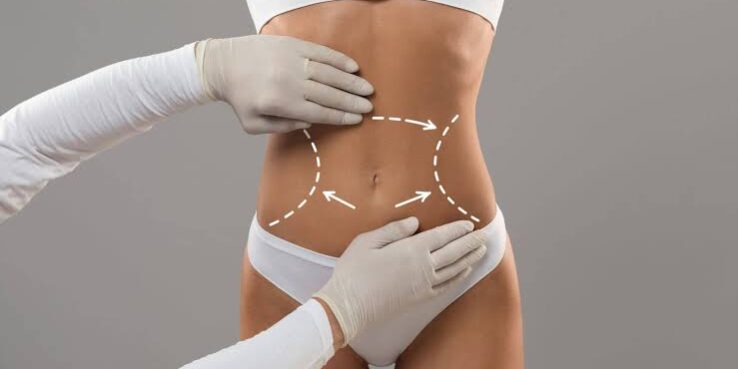
Body type refers to how and where fat is distributed across the body. Two clinically relevant patterns exist: android (apple-shaped) distribution, where fat accumulates around the abdomen, and gynoid (pear-shaped) distribution, where fat settles around the hips, thighs, and lower body. While both patterns differ in presentation, understanding them is key to surgical planning. Fat distribution helps determine the most appropriate surgical approach, and surgeons assess body types carefully.
How Does Surgery Suit Them?
Body fat distribution influences surgical recommendations. Patients with abdominal fat accumulation may see faster metabolic improvements after surgery; these improvements sometimes occur before significant weight loss. Gastric bypass may be recommended for this group, as it produces strong metabolic effects.
Gynoid fat distribution presents different clinical factors, and surgeons may recommend sleeve gastrectomy when sustained weight loss is the primary goal rather than urgent metabolic correction. Individual health history, age, and pre-existing conditions further shape procedural recommendations. No single procedure is universally superior. The most appropriate option is identified through a comprehensive clinical assessment, which takes into account the factors that make each patient’s clinical profile unique.
What Does Surgery Involve?
The surgical process begins with an extensive pre-operative phase, during which patients undergo evaluations, nutritional counseling, and medical testing. These assessments confirm candidacy for surgery. The surgery is performed under general anesthesia, and it typically takes a couple of hours.
Recovery after bariatric surgery involves:
- Short-term recovery: Liquid diet for a few weeks, followed by soft foods
- Long-term management: Ongoing nutritional monitoring, vitamin supplementation, and lifestyle adjustments
- Physical activity: Gradual reintroduction of exercise, tailored to the patient’s recovery progress and physical capabilities
Long-term follow-up care, including regular check-ins with a medical team, helps sustain results.
Learn More From a Surgeon
Weight loss surgery covers a broad range of procedures, and the right option depends on your body type, health profile, and personal goals. Android and gynoid fat distribution patterns each carry different health implications. Surgical recommendations are tailored accordingly. If you are evaluating bariatric surgery, schedule a consultation with a qualified bariatric surgeon. A specialist can assess your circumstances, explain your options, and guide you to the procedure that fits your health needs.