
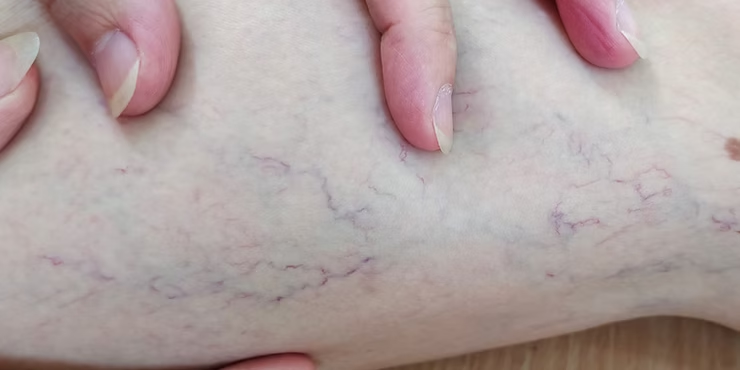
Varicose veins are enlarged, twisted veins that appear most often in the legs. They develop when vein valves weaken and blood pools instead of flowing properly. Some people may delay treatment, but untreated varicose veins tend to worsen over time. Since complications can become worse, do not hesitate.
Symptoms That Worsen Gradually
Varicose veins rarely stay the same. Discomfort can become constant, interfere with activities, and limit your ability to stand or walk comfortably. Many people notice that symptoms ease when they elevate their legs. Blood keeps pooling in the veins, pressure builds, and tissue nearby starts to suffer the effects. Over time, veins may bulge more visibly, and the area can be warm or tender to the touch. These changes tend to build gradually, so you may not notice them right away. As the condition advances, climbing stairs or walking short distances may be more tiring. Tracking symptoms helps you spot patterns, and sharing details with a specialist supports accurate assessment.
Changes From Circulation
Prolonged pressure in the veins affects the skin above them. This condition, called lipodermatosclerosis, is a direct result of chronic venous insufficiency, making the skin fragile and difficult to heal. Itching and inflammation are also common, and scratching can break the skin and create openings for infection. As circulation worsens, you may notice several distinct skin changes:
- Darkening, thickening, or a leathery texture over time
- Dryness and flaking, which often appear first and are easy to overlook
- Eczema-like patches that spread across the lower leg
- Tightness around the ankle, with small red or brown spots as blood leaks into the tissue
- Stretched skin from swelling, which adds to the discomfort
Daily moisturizing and gentle care help protect the skin, but they do not address the underlying vein problem. Earlier treatment tends to produce better outcomes. The sooner you act, the more options you keep, and the better your skin can respond.
Ulcers and Clot Risks
The long-term risks include venous ulcers and blood clots, since these occur in the veins. Venous ulcers are open wounds near the ankle when tissue breaks down from sustained pressure, and they heal slowly without proper care. These wounds can grow larger, and they often return if the underlying cause is ignored. Wound care is necessary once ulcers develop, but treating the underlying varicose veins also supports healing. Open wounds also raise the risk of infection, which can spread and delay recovery further. Blood clots are another significant risk.
Superficial thrombophlebitis happens when a clot forms in a surface vein, causing pain and redness. The affected vein may be hard, and the skin nearby can turn warm. Deep vein thrombosis (DVT) is more dangerous and requires prompt medical attention, as it can cause a pulmonary embolism. Warning signs of DVT include sudden swelling, deep pain, and skin color changes. These complications often build slowly, so regular monitoring helps you catch problems early.
Discuss Varicose Veins Today
You do not have to manage these risks on your own. Effective, minimally invasive treatments are available, and most have short recovery times. Radiofrequency ablation and endovenous laser therapy use heat energy to close the affected vein, and blood is naturally redirected through healthier vessels. Since speaking with a vein specialist gives you a clear picture of your options, a tailored treatment plan is available.





