Dentures are removable dental appliances used to replace missing teeth and support normal speaking, chewing, and facial structure. They are available in different types depending on a patient’s oral health needs. Here is a closer look at the different types of dentures available:
Full and Partial Dentures
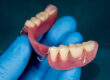
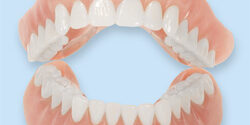
Full or complete dentures replace an entire arch of missing teeth, either the upper jaw, the lower jaw, or both. They rest directly on the gum tissue, and they are held in place by suction, natural jaw contours, or denture adhesive. Full dentures are a well-established option for people who have lost all or most of their natural teeth.
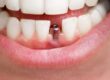
Partial dentures work differently; they replace only some missing teeth and attach to the remaining natural teeth using metal clasps or precision attachments. This makes them a practical solution when healthy teeth are still present, and the denture framework keeps the remaining teeth from shifting out of position. Both types are removable, which makes cleaning straightforward. The fit of either type can also change over time as the jawbone and gum tissue naturally change shape. Regular dental checkups help make sure the fit stays accurate.
Immediate and Conventional Dentures
Timing is a key factor in how dentures are made and delivered. Conventional types are crafted after the gums have fully healed following tooth extraction. The healing process typically takes several weeks to a few months, so there is a waiting period before this tooth replacement option is ready to wear.
Immediate dentures take a different approach; they are made in advance and placed in the mouth on the same day the teeth are extracted. This means the patient won’t go without teeth during the healing period, which some people find helpful for daily life . There is a practical tradeoff to contemplate with immediate dentures. As the gums heal and shrink, the fit often changes; this may require relining or replacement. Conventional options, fitted after healing is complete, tend to offer a more stable and long-term fit from the start.
Suitable Denture Option
No single type of denture suits every individual; several factors shape which option is most appropriate. Here are key factors individuals can evaluate when comparing denture types:
- Number of missing teeth: Full dentures address complete tooth loss, while partial dentures are designed for cases where healthy natural teeth remain.
- Timeline and healing: Immediate options minimize the gap between extraction and having teeth, but conventional dentures generally provide a better long-term fit after the gums have healed.
- Lifestyle and daily use: People who prioritize stability while eating or speaking should speak with a dentist for professional guidance.
- Long-term dental changes: Gum tissue and bone change over time, so the fit of any denture may need adjustment.
The dentist will review the patient’s oral health, discuss their priorities, and help identify which type of denture aligns best with their specific situation.
Learn More About Dentures Today
Dentures are available in several forms, and each one serves a different set of needs. The right choice depends on the number of missing teeth, the condition of the jawbone, the desired timeline, and practical factors. Understanding these differences puts you in a stronger position to make a well-informed decision. Contact a qualified dentist near you to schedule your appointment and learn more about dentures today.