
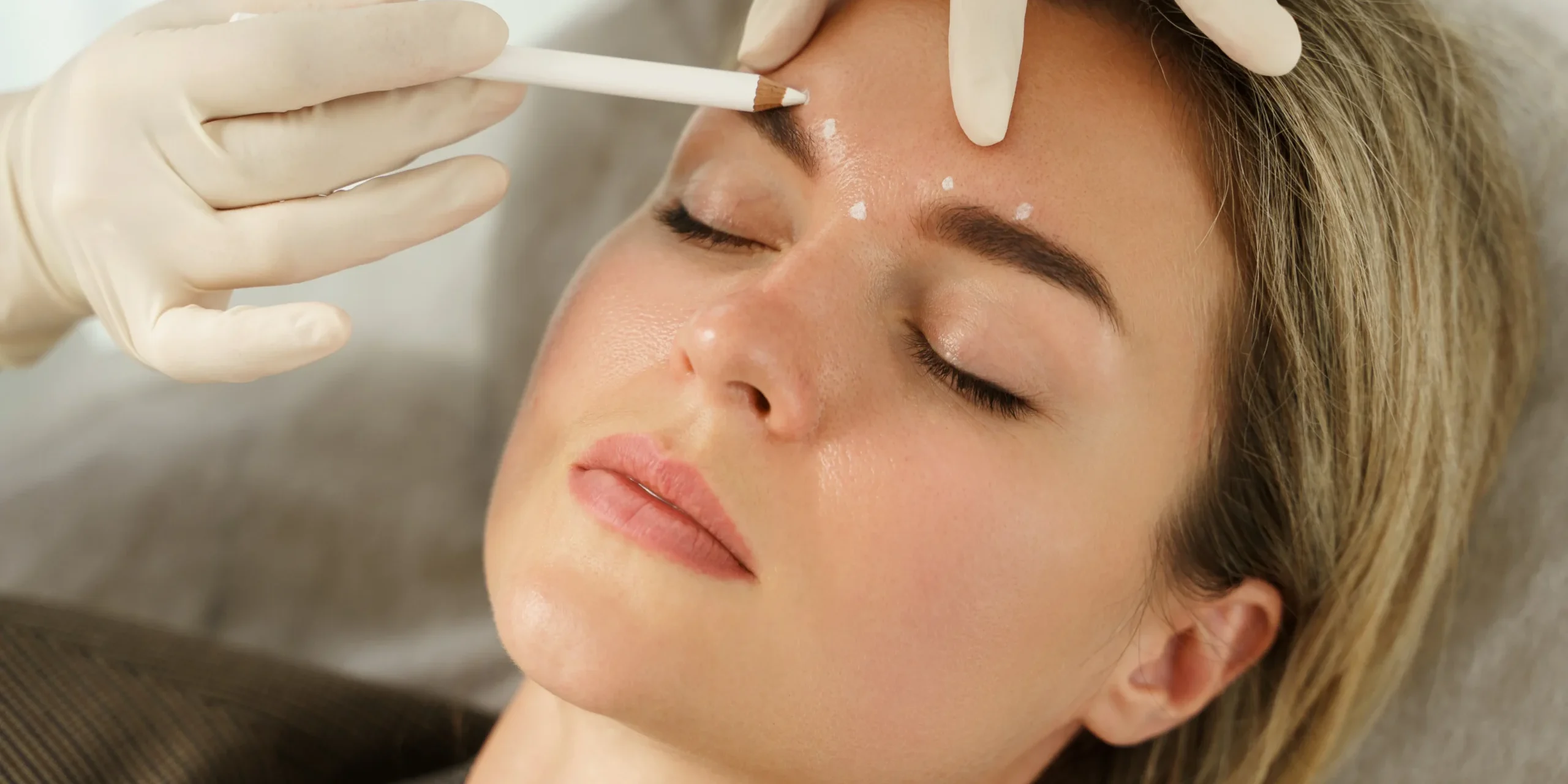
Botox is used within the aesthetic medical field as an injectable treatment to address facial aesthetics. Medical professionals administer this treatment protein into facial muscles, and the substance temporarily interrupts nerve transmissions in the injection site. Because the targeted muscle then receives no signals to contract, the skin surface remains motionless, reducing lines in the skin. This treatment has several different application goals.
Limiting Facial Creasing
Preventive aesthetic treatments aim to stop wrinkles from forming across the face. Because older individuals experience a loss of collagen in their skin, many individuals seek Botox treatments to limit skin creasing. Early intervention keeps the skin structure intact, and the skin’s surface maintains a smoother texture. This methodology halts the development of permanent tissue creasing.
Over time, the use of these toxins preserves the skin’s youthful appearance. Patients often notice a reduction in facial movements that contribute to deepening wrinkles, allowing for naturally youthful skin. By targeting specific areas that tend to move more often, the treatment produces a balanced facial aesthetic.
Reducing Fine Lines
Since continuous skin folding creates creases from facial expressions, Botox is used to limit muscle contraction to smooth the skin. Clinical practitioners target areas like the forehead and near the eyes to manage wrinkles resulting from facial movement. The protein binds to the nerve receptors during the weeks following treatment, and individuals often notice a reduction in creases.
Distinct lines emerge between the eyebrows most often, but localized injections relax the underlying muscle groups. When the brow muscles release, they stop pulling the skin inward, and the skin creases begin to flatten. Careful treatment around the eyes reduces wrinkles like crow’s feet.
Aesthetic medical professionals understand the needle injection depth for optimal outcomes. Modern dosing techniques distribute a small amount of Botox treatment to the facial surface area, and this approach provides a subtler modification. While traditional injections target deeper muscle groups beneath the skin, more up-to-date placement usually includes shallower injection placement for superficial muscle fibers. This delivery method preserves more facial movement capabilities after the treatment is administered.
Addressing Unevenness
Structural asymmetry can often be seen in adult faces. If one side of the face has more muscular strength than the other, the face can develop uneven wrinkles or lines. Medical staff utilizes injections to reduce muscular imbalances by preventing the stronger side from moving, and the face eventually returns to a balanced state.
If facial muscles pull the corners of the mouth downward, medical providers treat the lower facial region to relax the expression and release muscular pulling. Eyebrows that do not move uniformly may benefit from Botox application near the brow bone. Because muscles pulling the facial expression can cause unevenness, hyperactive muscle groups can be targeted to create a balanced facial presentation. These treatments can both even out the skin and balance facial expressions.
Schedule a Botox Treatment
Nonsurgical cosmetic options offer treatment for a variety of aesthetic outcomes. Botox is often a helpful option for individuals looking to reduce creases in their skin, and professionals are able to consult with patients to map injection dosing and placement. Contact a clinic today to begin Botox treatment.





