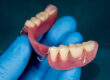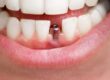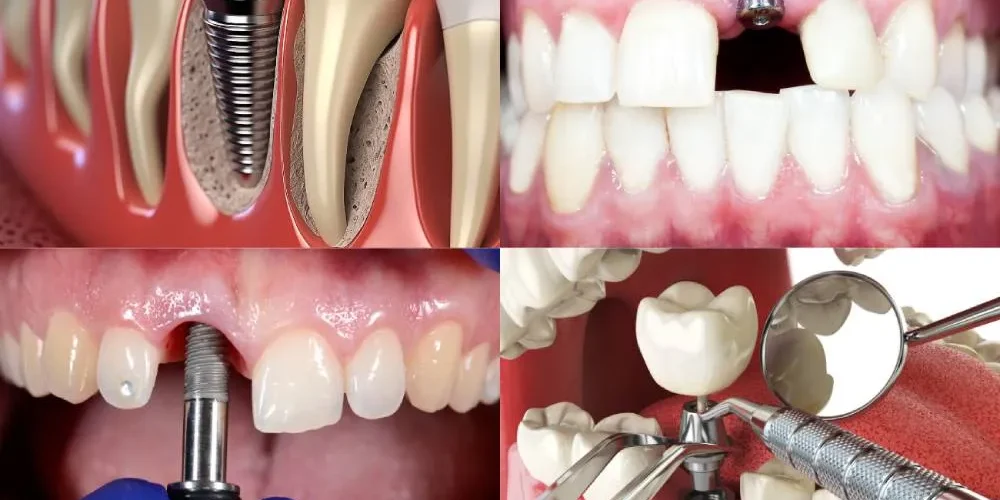
Dental implants are titanium screws. Dentists place them in empty tooth sockets, and the screws fuse with the upper or lower jaw. When a tooth is missing, an implant supports a crown or bridge, and the restoration stays secured in the mouth. This treatment replaces missing teeth with a structure that stays in place. Because implant treatment includes placement, healing, and restoration, the process takes time, and each stage serves a purpose. Dentists also evaluate the mouth before treatment begins, and they review the condition of the gums and bone.
Support Dental Implants
Some patients need added support before treatment. A patient needs healthy gums and enough bone to support dental implants, and the dentist checks both during the evaluation. If the mouth does not have enough bone or the gums need treatment, the dentist may recommend bone grafting or scaling and root planing, and these procedures help prepare the mouth for implants.
Bone grafting promotes new bone growth. Scaling and root planing remove plaque and tartar from the teeth and beneath the gums, helping prepare the mouth for the next stage. Because every mouth is different, treatment needs vary, and the evaluation helps identify whether these procedures are needed before implants are placed. A careful review comes first. The dentist evaluates the gums and jaw, and that review guides the treatment plan. If preparation is needed, treatment takes place before the implants are placed, and the dentist adjusts the plan based on the condition of the mouth.
Maintain Daily Care
Dental implants last 10 to 30 years. Good oral hygiene helps extend their lifespan, and regular care supports oral health. Because long-term care affects the restoration, patients brush twice a day, floss regularly, and visit the dentist twice a year for professional cleanings. Daily habits also matter. Patients wear a mouthguard during sports, and they avoid chewing on hard objects such as ice cubes. If these habits are avoided, the implants receive more protection, and the restorations remain in better condition over time.
Improve Daily Function
Dental implants offer several advantages. They improve biting and chewing, and they support oral health. Because implant restorations attach to metal posts, they do not move around like traditional dentures, and many people find them easier to speak with. Stable support changes daily function. Patients often speak more clearly, and they do not deal with the slurred speech that moving dentures may cause. Because the restorations stay in place during normal use, patients receive more support while eating and talking, and many people find daily activities easier.
Durability is another benefit. These advantages relate to function, and they also reflect how the implant system performs after healing. When implants are cared for properly, they remain a long-lasting option, and they continue to support fixed or removable restorations over many years. Long-term results depend on maintenance. Routine follow-up supports the result, and it also gives the dentist a chance to monitor the mouth. When patients follow a steady oral hygiene routine, the restored teeth remain easier to care for, and the implant system continues to function over time.
Schedule a Consultation
Getting dental implants takes several visits. The dentist numbs the gums with a local anesthetic, and the implants are placed in the empty tooth sockets. When the mouth finishes healing, the patient returns for digital scans, and a dental lab creates custom restorations. The final visit completes the process. The dentist attaches the restorations to the implants, and the bite is checked for proper fit. Because dental implants involve evaluation, healing, and restoration, patients benefit from a consultation, and the dentist determines whether this treatment fits their needs. Find a clinic in your area to get started.