
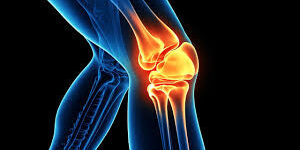
Joint pain can affect mobility, comfort, and the ability to complete daily activities. A common cause of ongoing joint discomfort is arthritis, a condition that may lead to inflammation, stiffness, swelling, and reduced range of motion. Here is a closer look at the connection between joint pain and arthritis:
How Does Arthritis Affect Joints?
Arthritis is a condition that causes inflammation in one or more joints. This inflammation can break down cartilage, the tissue that cushions the ends of bones where they meet. Without enough cartilage, bones rub together, leading to joint pain, swelling, and reduced range of motion. The two most common types are osteoarthritis and rheumatoid arthritis. Osteoarthritis develops gradually as cartilage wears down, and rheumatoid arthritis is an autoimmune condition in which the body’s immune system attacks joint tissue, causing inflammation and damage.
Which Symptoms Suggest Arthritis?
Several symptoms can signal that arthritis may be involved, though a medical evaluation is necessary to confirm any diagnosis. Here are common symptoms that often appear alongside arthritis:
- Persistent pain: Discomfort that lasts for several weeks and does not improve with rest requires investigation.
- Morning stiffness: Stiffness that appears after waking up and lasts more than a few minutes is a sign.
- Swelling around the joint: Visible swelling or puffiness near the joint often indicates inflammation in the surrounding tissue.
- Reduced range of motion: Difficulty fully bending, straightening, or rotating a joint can indicate structural changes in the joint.
- Warmth or redness: A joint that feels warm to the touch or looks red may be actively inflamed.
Tracking these symptoms over time provides helpful information that a healthcare provider can use during an evaluation.
What Else Causes Joint Pain?
A range of other conditions can produce similar discomfort, and identifying the correct cause is a key step in managing it properly. Injury is one of the straightforward causes; a sprain, fracture, or torn ligament can create sharp or aching pain that mimics arthritic symptoms. Overuse is another common factor, especially in people who perform repetitive physical tasks or engage in high-impact sports.
Bursitis occurs when the small fluid-filled sacs near joints become inflamed. This condition causes localized pain and tenderness that can closely resemble arthritis. Muscle strain, tendinitis, gout, infections, and certain autoimmune conditions unrelated to arthritis can also cause joint pain; a proper diagnosis is fundamental to getting the right care.
How Is Joint Pain Treated?
A healthcare provider uses several tools to evaluate joint pain and determine whether arthritis or another condition is the cause. Here are some common diagnostic and treatment approaches:
- Physical examination: A provider assesses the affected joint for swelling, tenderness, and range of motion to establish a baseline.
- Blood tests: These can detect markers of inflammation or autoimmune activity.
- Imaging tests: X-rays, MRI scans, or ultrasounds can reveal structural changes in the joint, including cartilage loss or bone damage.
- Medications: Anti-inflammatory drugs, pain relievers, or disease-modifying medications may be used depending on the diagnosis and severity.
- Physical therapy: Guided exercises can strengthen the muscles around a joint and improve flexibility without putting excess strain on it.
- Lifestyle adjustments: Weight management, low-impact activities, and joint-protection techniques are helpful strategies for supporting long-term joint health.
Working with a qualified healthcare provider allows patients to explore a treatment plan tailored to their specific condition and goals.
Get Help for Joint Pain
Joint discomfort can stem from arthritis or from a variety of other causes, including injury, bursitis, overuse, and strain. Identifying which condition is responsible requires a thorough evaluation. There are several strategies to support joint health and alleviate discomfort; these include medications, physical therapy, and lifestyle adjustments. Contact a qualified pain specialist near you to schedule your appointment and get professional help for joint pain today.





