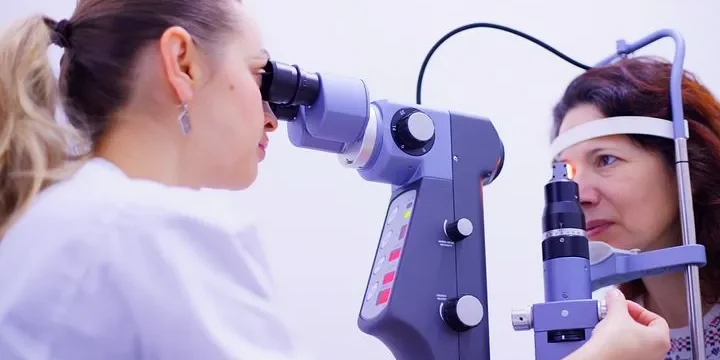
An eye exam tracks changes in your vision and eye health over time. When you visit an office, experienced ophthalmologists lead the team, and they check your eyes carefully. These doctors have broad training, so they can spot problems early. They help you keep clear sight.
Basics of a General Exam
A general eye exam covers key checks, and they give you a full picture of your eyes’ performance. The doctor measures your visual acuity, showing how clearly you see at different distances. Near and distance vision are both tested, so any gaps in clarity are found early. Your eyeglasses prescription is reviewed and updated if your vision has changed since your last visit. An accurate, current prescription helps you see your best every day. The team also evaluates your eye movement and pupil light response; these tests confirm your eyes work together properly. Smooth movement matters for reading and driving. Any irregularities can point to concerns. You leave with a clear picture of your current vision and a record to track changes over time.
Eye Health and Pressure Checks
Some exams look deeper into your overall eye health, going beyond basic vision testing. The doctor evaluates the front of each eye. They check structures like the cornea and lens for visible changes. The back of the eye is examined, and dilation is often used to give a wider, clearer view of the retina and optic nerve. Dilation temporarily widens your pupils, letting the doctor spot issues that would otherwise stay hidden.
You may notice some light sensitivity afterward, but it fades within hours. Elevated pressure does not always cause discomfort. This test is used for routine care. The test is simple; you respond to lights at the edges of your visual field, and the results map out any blind spots. These assessments give the team the details needed while helping guide your next steps toward protecting long-term eye health.
Diagnostics for Eye Conditions
Certain exams focus on diagnosing specific problems, and they use targeted tests to get clear answers. The team can identify cataracts, glaucoma, macular degeneration, and diabetic retinal changes during a detailed evaluation. Your plan is personal. Each condition requires a different approach, and knowing what to expect can help you be prepared:
- Cataracts: The lens clouds over time; the doctor checks for this during a standard eye health exam and monitors changes to plan next steps.
- Glaucoma: Often develops without symptoms; pressure checks and a direct examination of the optic nerve help detect progression early.
- Macular degeneration: Affects central vision; the doctor tracks subtle shifts in the macula from visit to visit to support timely care decisions.
- Diabetic eye care: Diabetes can quietly harm the retina; a dilated exam gives the doctor a detailed view of the retina’s blood vessels to catch changes early.
Book Your Eye Exam
Regular eye exams protect your vision, and they support long-term eye health. The office team includes skilled ophthalmologists. They evaluate your eyes with care and precision. Whether you need a routine check or diabetic eye care, a visit gives you clear answers about your sight. Call the office or book an appointment online today, and take the next step toward healthy vision.