
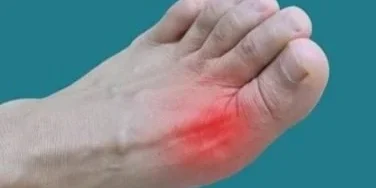
Joint pain takes many forms, and arthritis represents a broad category encompassing several distinct conditions. A specific variation that causes sudden, severe discomfort is gout. This is a condition that involves the accumulation of microscopic crystals within the joints, leading to intense inflammation and swelling.
What Is Gout?
Gout represents a complex form of arthritis characterized by the buildup of uric acid in the bloodstream. When the body breaks down purines, it produces uric acid. The kidneys normally filter this acid out through urine. When the body generates excessive amounts of uric acid, or the kidneys process it too slowly, the excess crystallizes into sharp, needle-like formations within the joints. These deposits frequently occur in extremities like the feet and toes.
A parallel condition known as pseudogout produces nearly identical physical responses. Instead of uric acid, pseudogout develops from calcium pyrophosphate crystals depositing into the joint tissue. Gout tends to affect men between the ages of 30 and 50, whereas women may develop the condition after menopause. In contrast, pseudogout incidence simply increases with advanced age for both sexes.
What Are the Symptoms?
A flare-up of either condition typically begins abruptly. The signs almost always present themselves without warning and may wake individuals from sleep during the night. The primary symptom involves intense joint pain. Standard gout most often targets the joint at the base of the big toe, while pseudogout can affect the knees or ankles. The discomfort usually reaches its peak severity within the first half of the day.
Along with the pain, the affected joint becomes noticeably inflamed. The surrounding area can turn red, swell significantly, and feel warm to the touch. The joint may become exceptionally tender and make even slight contact or pressure intolerable. As the inflammation progresses, individuals can experience a limited range of motion.
After the initial severe pain subsides, lingering discomfort may persist for days or weeks. Individuals can go months or years between episodes. Without medical intervention, subsequent attacks are likely to last longer and spread to additional joints across the body.
How Is It Treated?
Medical providers can direct treatment toward reducing the immediate pain and preventing subsequent flare-ups. During an active attack, doctors may prescribe nonsteroidal anti-inflammatory drugs (NSAIDs) or specific pain relievers designed for joint inflammation. Corticosteroid pills or localized injections offer another method to reduce swelling and discomfort rapidly. For standard gout, physicians might also recommend medications that block uric acid production or improve the kidneys’ ability to remove it from the body.
Managing these conditions long-term requires lifestyle modifications. Medical professionals may advise patients to drink plenty of water and maintain a healthy weight through regular exercise. Dietary adjustments serve a significant role in managing standard gout. Providers recommend limiting the intake of high-purine items, which include red meat, shellfish, alcoholic beverages, and drinks sweetened with high-fructose corn syrup.
Speak With a Foot Specialist
Leaving persistent joint inflammation untreated can lead to advanced joint damage and facilitate the formation of visible nodules under the skin called tophi. If you experience sudden, severe pain in a joint, scheduling an evaluation with a qualified podiatrist or rheumatologist will provide clarity regarding your condition. A specialist can determine the exact type of crystal causing the inflammation. Identifying the specific crystal composition allows the physician to prescribe an accurate and effective treatment plan tailored to your exact diagnosis.





