
Macular degeneration affects the central part of your retina. You already have a diagnosis, and knowing your risk factors helps you manage the condition. Some risk factors respond to lifestyle changes, while others depend on age or genetics, so awareness matters for every stage.
Age, Genetics, and Risk
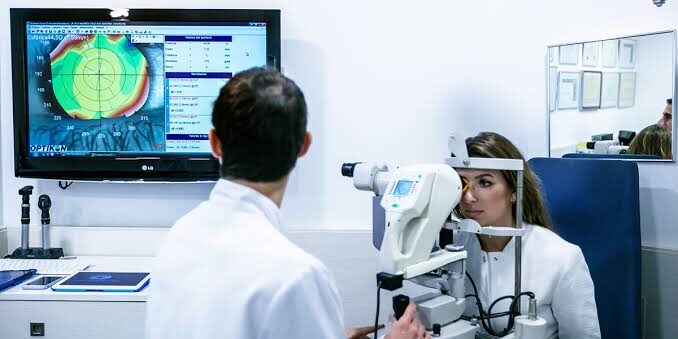
Age remains the strongest predictor of macular degeneration progression. You cannot change these factors, but you can track changes early with home monitoring tools. Using an Amsler grid regularly detects shifts in your central vision, and reporting them quickly lets your provider act. If you notice new distortions or blind spots, contact your provider promptly rather than waiting for your next visit. When age and family history combine, your provider may recommend more frequent exams to catch progression sooner. Diagnostic imaging lets your provider measure changes in retinal tissue over time, and early detection supports better outcomes. Staying consistent with home monitoring gives you and your provider the clearest picture of where you stand.
Lifestyle Choices and Diet
Key smoking-related risks to know:
- Smoking directly accelerates macular degeneration progression and increases your risk of vision loss.
- Reducing how much you smoke lowers your overall risk, even before quitting completely.
- Exposure to secondhand smoke also raises risk, so minimizing it supports your retinal health.
- Supplements containing vitamins C and E, zinc, and lutein may help slow progression and work best alongside a balanced diet.
- Leafy greens, fish rich in omega-3 fatty acids, and colorful vegetables support retinal tissue.
- Limiting processed foods and refined sugars helps reduce inflammation, which can contribute to disease progression.
- Staying well-hydrated and maintaining a healthy weight reduces strain on your retinal blood vessels.
Small, consistent changes to your meals add up over time, and your provider can help you identify the right nutritional plan for your stage. Your provider can help you identify which lifestyle adjustments fit your current health profile. Small daily choices accumulate, and consistent habits give you the strongest position against progression.
Disease Type and Treatment
Dry macular degeneration can convert to the wet form, so daily at-home vision monitoring helps catch this change early. Your provider uses diagnostic imaging to track drusen size and number. Over time change in these measurements guide your care plan. Your form determines your treatment path, and your provider will explain which options apply to your stage.
Understanding where you fall within the disease stages helps you know what to watch for and when to seek care promptly. Missing injections raises your risk of faster progression, so keeping your appointments consistently matters. If scheduling becomes difficult, speak with your provider’s office early, because adjusting your plan is easier than recovering lost vision.
Treat Macular Degeneration Today
Risk factors guide your care, and understanding them helps you stay ahead of progression. Age and genetics set your baseline, while lifestyle choices and treatment response shape your outcome. You can act on the factors within your control. Monitor at home daily, follow your supplement plan, and keep every injection appointment. Your provider tailors each step to your form of macular degeneration. Regular visits matter.





