
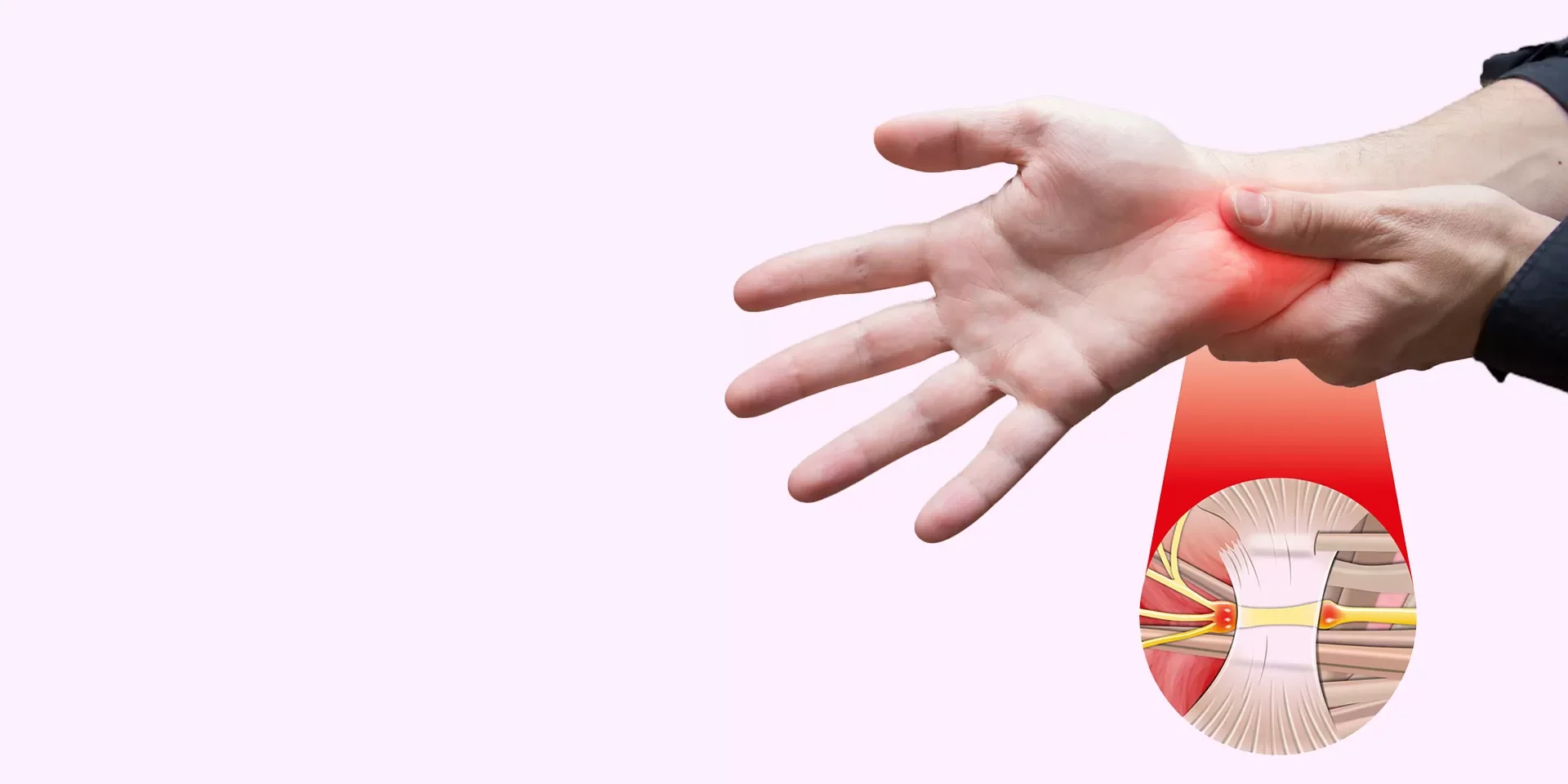
Hand surgery treats injuries and conditions that affect hand function and appearance. Surgeons perform these procedures for injuries, degenerative changes, infections, fractures, and congenital problems. The term also covers parts of the upper extremity, including the wrists, fingers, arms, elbows, and shoulders. Each procedure addresses a specific problem, and treatment depends on the type and cause of the condition.
Reasons for Hand Surgery
Several conditions can lead to hand surgery. Injuries are one reason, and rheumatic diseases such as osteoarthritis and rheumatoid arthritis can damage parts of the hand. Degenerative changes and congenital problems also require treatment, while infections can lead to surgical care when they become severe. A surgeon evaluates the problem before selecting a procedure, and treatment depends on the type and cause of the condition.
Common Hand Surgery Procedures
Surgeons use different procedures to address specific injuries and conditions. Skin grafts replace missing skin, and healthy tissue from another part of the body covers the injured area. Skin flaps also replace missing skin, but they contain their own blood supply through blood vessels, fat, and muscle. Closed reduction and fixation realigns broken bones, and wires, rods, splints, or casts hold them in place while they heal.
Other procedures treat deeper damage. Fasciotomy relieves pressure caused by compartment syndrome, and the procedure helps restore blood flow to affected tissue. Surgical drainage removes pus from a sore or abscess, while debridement removes dead and contaminated tissue when an infection or wound is severe. Joint replacement treats severe hand arthritis, and the artificial joint can be made from metal, plastic, silicone rubber, or tendon tissue.
Repairing Tendons and Nerves
Tendon repair addresses injuries to the fibers that connect muscle to bone. Tendons heal slowly because they have a limited blood supply, and the timing of surgery affects the type of repair used. Primary repair is often performed within 24 hours of an acute injury, while delayed primary repair occurs a few days later when the wound remains open. Secondary repair occurs two to five weeks or longer after the injury, and it can involve a tendon graft.
Nerve repair addresses injuries that affect feeling and hand function. Some nerve injuries heal without surgery, but others require repair or grafting. Surgery for nerve damage linked to complex injuries generally occurs three to six weeks after the injury, while isolated nerve damage is checked sooner because earlier treatment increases the chance of full recovery.
Managing Recovery After Surgery
Recovery varies by procedure, and patients follow specific instructions after surgery. Pain and swelling are normal after some hand procedures, while rest supports the healing process. Patients keep the dressing dry and take pain-relieving medication as directed, and they elevate the hand above the heart whenever possible to help reduce swelling. Most surgeries have a healing period of two to four months, although the recovery process depends on the procedure.
Consult for Hand Surgery
Hand surgery addresses injuries, infections, fractures, degenerative changes, and congenital problems. The procedure depends on the condition, and recovery instructions vary according to the treatment performed. A surgical evaluation identifies the affected structures and guides treatment, while the care plan addresses healing and recovery of hand function.





