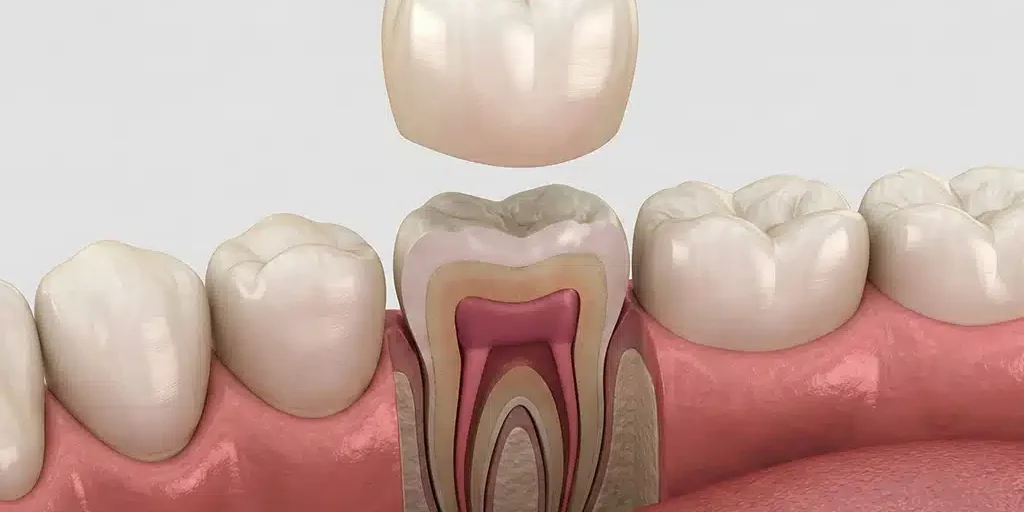
If your dentist has recommended dental crowns, you likely have questions about what they’re made of. The material matters. It affects how the crown looks, how long it lasts, and how well it fits your lifestyle. Knowing your options helps you have a more informed conversation with your dentist, so understand the choices.
What Are Metal Crowns?
Metal crowns are among the most durable options available. Gold, palladium, and base-metal alloys are commonly used; each resists wear strongly. Metal crowns rarely chip or break, and they need less tooth removal than other types. They also hold up well under biting pressure. Because they are visible, metal crowns are usually recommended for back molars, where appearance matters less. Some prefer metal for its track record, while others avoid it for the metallic color. Your dentist can check for metal sensitivities before recommending this option. If longevity is your top priority and aesthetics are secondary, metal may be a practical choice.
What Are Ceramic Crowns?
Ceramic crowns closely match the natural color of teeth. All-ceramic and all-porcelain caps are popular for front teeth because they blend well with surrounding enamel. Several ceramic types serve different needs, so discuss the options. They include:
- Pressed ceramic crowns are stronger than traditional porcelain and resist chipping while keeping a natural look.
- Zirconia-based ceramics offer high strength, suit patients who grind their teeth, and work on front or back teeth.
- All-ceramic caps contain no metal, making them a good choice if you have metal allergies.
- Porcelain-fused-to-metal (PFM) crowns pair a metal base with a porcelain exterior for durability and aesthetics.
The porcelain layer on PFM crowns can wear down over time, and the metal base is sometimes visible at the gum line. Ceramic crowns may cost more than metal options, but some patients find the natural appearance worth the investment. Your dentist can match the shade to your surrounding teeth. The crown blends in. For patients focused on a natural smile, all-ceramic options are often the preferred recommendation.
What Are Resin Crowns?
All-resin crowns are made from composite resin, and they can be color-matched to your teeth. Resin crowns are less durable than other materials; they wear down faster, and they are more prone to fractures under heavy chewing pressure. They may also stain over time, so they need more frequent replacement than harder materials. Because of this, they are often used as temporary caps while a permanent crown is being made. Resin works well as a short-term cover. It protects the tooth until your final crown is ready.
Same-day dental crowns, which are milled from ceramic blocks using CAD/CAM technology, offer a faster alternative and are more durable than resin options. With same-day crowns, your dentist scans the tooth, designs the crown digitally, and places it in a single visit. This approach saves time, and it avoids the need for a temporary crown. It gives you a permanent result quickly. Some patients prefer this option because they avoid multiple appointments. Others may choose traditional caps for specific cases. If cost is a major factor and the tooth is not under heavy stress, resin may be worth discussing with your dentist.
Discuss Crowns Today
Choosing a crown material is a decision you make with your dentist. The right choice depends on the tooth’s location, your bite, your budget, and your aesthetic goals. If you have been told you need a crown, the next step is straightforward. Schedule a consultation. Bring your questions, and ask your dentist which material best fits your tooth, your health, and your goals.