
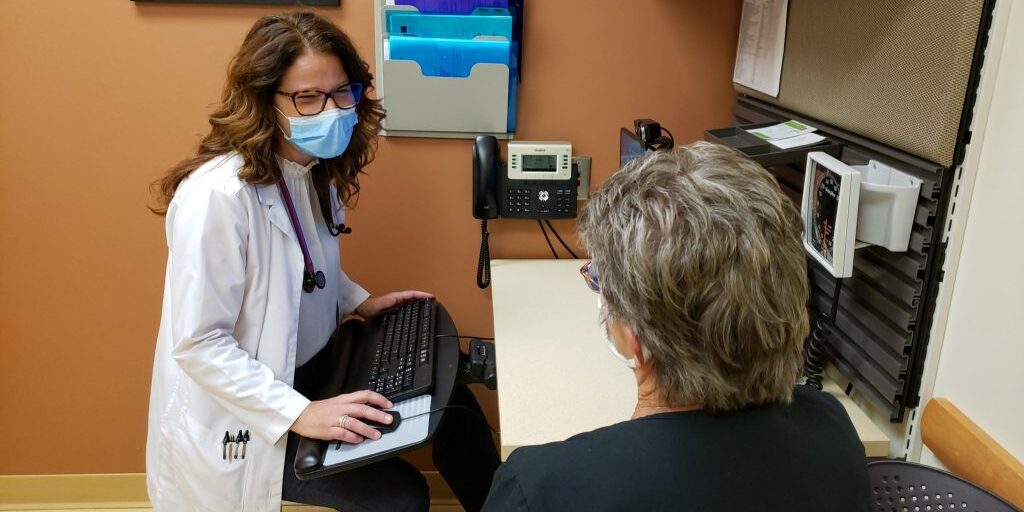
A pain management specialist is a physician who focuses on diagnosing and treating pain. A first appointment involves several steps, including reviewing medical history and completing a physical examination to identify possible sources of discomfort. Here is more information on what to expect during an initial consultation with a pain specialist:
Prepare for the Appointment
Preparation sets the tone for a productive first visit. Gather your medical records, imaging results, and a complete list of current medications. You may want to write down your questions in advance, and it helps to note how your pain affects daily tasks. Arriving organized allows your pain management specialist to focus on your needs rather than tracking down missing details.
Bring identification, insurance information, and any referral forms your provider requested. A relative or friend can accompany you, and their notes may capture details you overlook during the conversation. Some clinics send intake paperwork ahead of time, so completing those forms early saves time in the waiting room.
Discuss Your Pain
Your first appointment centers on a detailed conversation about your pain, and clear answers guide the specialist toward an accurate assessment. Expect questions that cover the following areas:
- Location and spread: You will describe where the pain sits and whether it radiates to nearby areas.
- Intensity and patterns: The specialist asks you to rate your pain, and they explore whether it stays constant or comes in waves throughout the day.
- Triggers and relief: You will explain what worsens your discomfort and what eases it.
- Onset and duration: Details about when the pain started and how long it has lasted influence diagnosis.
- Daily impact: Because pain affects routines, the specialist wants to know how it affects your sleep, work, and mobility.
Complete the Evaluation
After the discussion, the specialist conducts a physical examination to gather objective information. They check your range of motion, test your reflexes, and observe how you move. These observations often reveal how pain limits your body. Depending on your case, the specialist may order more tests to confirm or refine the assessment. Imaging studies, blood work, or nerve tests can clarify the source of your pain, and the specialist reviews these results with you. A complete evaluation helps the specialist recommend options suited to your specific situation.
Plan Your Treatment
Once the evaluation ends, your pain management specialist outlines a treatment plan tailored to your goals and findings. The plan often combines several approaches. Here are key elements that may appear in a treatment plan:
- Medication management: The specialist may adjust or introduce medications, and they explain how each one targets your symptoms.
- Physical therapy: Guided exercises can strengthen muscles and improve mobility, and the specialist coordinates referrals when needed.
- Interventional procedures: Options such as injections may reduce localized pain, and the specialist describes benefits and risks clearly.
- Lifestyle adjustments: Changes to activity, posture, or sleep habits support your progress, and these steps complement clinical treatments.
- Follow-up schedule: The plan includes review appointments, and these visits let the specialist monitor results and refine the approach.
Consult a Pain Management Specialist
Your first appointment begins with preparing your records, discussing your pain in detail, completing a thorough evaluation, and reviewing treatment options. This process gives the pain specialist the needed information to recommend approaches that align with your situation. Contact a qualified pain management specialist near you to schedule your consultation today.





