
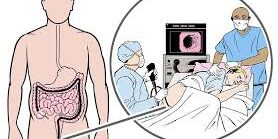
Colon surgery covers a range of procedures, and each is tailored to specific conditions affecting the large intestine. Understanding why surgeons perform surgery and what procedures exist helps patients understand and prepare for their care. Here is more information about colon surgery:
Conditions Requiring Colon Surgery
Colon surgery addresses a wide variety of medical conditions that affect the large intestine. Colorectal cancer is one of the most common reasons a surgeon may recommend an operation. Colon polyps carry a risk of becoming cancerous and also warrant surgical intervention. Inflammatory bowel diseases, such as Crohn’s disease and ulcerative colitis, can cause severe damage to the colon; this makes surgery needed when medication no longer manages symptoms effectively.
Diverticulitis is another condition that may require surgical treatment; this condition causes inflamed pouches in the colon wall to become infected or rupture. Bowel obstructions, traumatic injuries to the abdomen, and rectal prolapse are some other reasons for surgery. Because the colon plays a central role in digestion and waste removal, any serious structural or functional compromise to it may require a surgical solution.
Types of Colon Surgery
Several distinct surgical procedures target different areas and conditions of the colon, and surgeons select the most appropriate approach based on the patient’s diagnosis and overall health. Here is a brief overview of common colon surgeries:
- Polypectomy: Removal of polyps from the colon lining, typically performed during a colonoscopy.
- Colectomy: Partial or total removal of the colon, used to treat cancer, severe colitis, or other serious conditions.
- Sigmoidectomy: Removal of the sigmoid colon, the lower portion of the large intestine, most commonly performed for diverticulitis or cancer in that segment.
- Colostomy or Ileostomy: Creation of an opening in the abdominal wall to divert waste into an external pouch, sometimes temporary and sometimes permanent.
- Hemicolectomy: Removal of either the right or left half of the colon, depending on where disease or damage is located.
- Proctocolectomy: Complete removal of both the colon and rectum, most commonly performed for ulcerative colitis or familial polyposis.
Many of these procedures may be performed using minimally invasive laparoscopic techniques, which involve small incisions and generally lead to shorter hospital stays.
Signs You May Need Surgery
Certain symptoms may prompt a conversation with a physician about whether a surgical evaluation is warranted. Persistent abdominal pain, rectal bleeding, and unexplained changes in bowel habits are all signs to see a doctor. A doctor may recommend imaging or a colonoscopy, or they may order other diagnostic tests before determining whether surgery is appropriate.
Here are some signs to see a doctor:
- Rectal bleeding or blood in the stool
- Chronic abdominal cramping or bloating that does not resolve
- A sudden change in stool consistency or frequencylasting more than a few weeks
- A diagnosed polyp, tumor, or structural abnormality found during a colonoscopy
- Repeated episodes of diverticulitis that do not respond to antibiotics
Learn More About Colon Surgery
Colon surgery encompasses a broad spectrum of procedures, and each addresses specific conditions ranging from polyps and cancer to inflammatory disease and structural damage. Ask your doctor about minimally invasive techniques for surgery and their effects on patient outcomes. If you want to learn more about colon surgery, consult a surgeon near you.





