
An orthopedic surgeon diagnoses conditions of the musculoskeletal system, and these medical professionals treat a wide variety of bone and joint issues. They evaluate patients who experience difficulty moving. Because physical ailments restrict daily routines, an orthopedic specialist provides targeted medical care. Mobility issues can often be accompanied by pain, and an orthopedic can prescribe treatment for pain management for affected patients.
Injection Treatments
An orthopedic surgeon can administer specific medical injections directly into affected areas. Corticosteroid injections deliver strong anti-inflammatory medicine to an irritated joint, so patients often experience a reduction in swelling. When a person receives this treatment, the targeted joint typically moves with less friction. Usually, a doctor chooses a corticosteroid injection to address inflammation and reduce pain for a period of time.
Platelet-rich plasma therapy utilizes components from the blood of the patient. Medical staff draws a small blood sample, and a centrifuge separates the platelets from the rest of the blood. After the preparation process finishes, the physician injects the concentrated plasma into the damaged tissue. This treatment is intended to rebuild and heal damaged structures that cause inflammation and pain.
Treatment schedules vary based on the specific condition. Multiple injections sometimes take place over several months, or a single application serves as the main intervention. Although individuals respond differently to these procedures, physicians track progress through regular follow-up appointments. If injections are not as helpful as the patient would like, other treatment options can be discussed.
Noninvasive Treatment
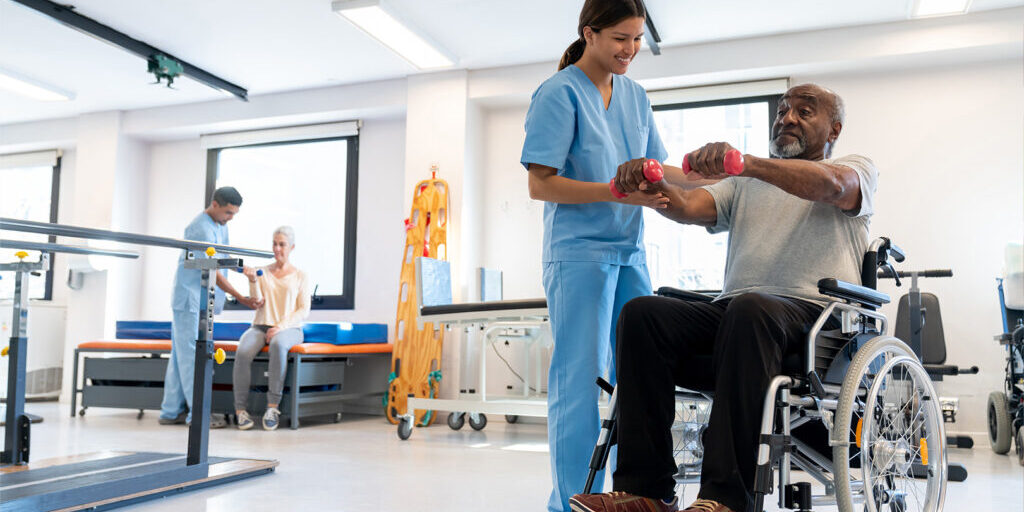
Physical therapy builds strength around compromised joints, and this approach stabilizes the skeletal structure. Patients learn specific exercises while receiving direction from a licensed physical therapist. While the therapeutic regimen requires consistent effort, guided movements safely increase the range of motion and can reduce pain.
Joint immobilization and stabilization are other treatment options. Immobilization techniques, such as braces, splints, or casts, are often employed to support the affected area, preventing excessive movement that could worsen the condition. Stabilization aids in proper healing by allowing tissues to repair in a controlled environment, reducing stress on the joint. Equally helpful is verifying that patients incorporate adequate rest. Overuse or improper activity can cause more problems, so periods of rest combined with guided movements help to achieve optimal outcomes.
Surgical Treatment
Some structural damage requires operative intervention. Surgeons repair torn ligaments with minimally invasive techniques, or they perform extensive reconstruction on severely degraded bones. Because modern medicine advances rapidly, physicians utilize specialized tools during these procedures.
Joint replacement removes the deteriorated bone completely. An artificial prosthesis is implanted by the surgical team, and it is fitted to the individual to act the same way as a natural joint. As the artificial joint replaces the natural structure, mechanical function returns to the limb.
The healing timeline after surgery depends on the specific procedure, and rehabilitation begins shortly after the operation. Before a patient leaves the facility, a recovery planis developed by the medical staff. Rehabilitation may include treatments like physical therapy to help the individual regain mobility and reduce pain.
Consult With an Orthopedic Surgeon
Joint pain and inflammation can disrupt daily activities. If you experience joint pain, consult an orthopedic surgeon to begin discussing how they can help you gain mobility and reduce pain. You can ask questions about potential treatment plans, and doctors can direct you to the options that can help.





