
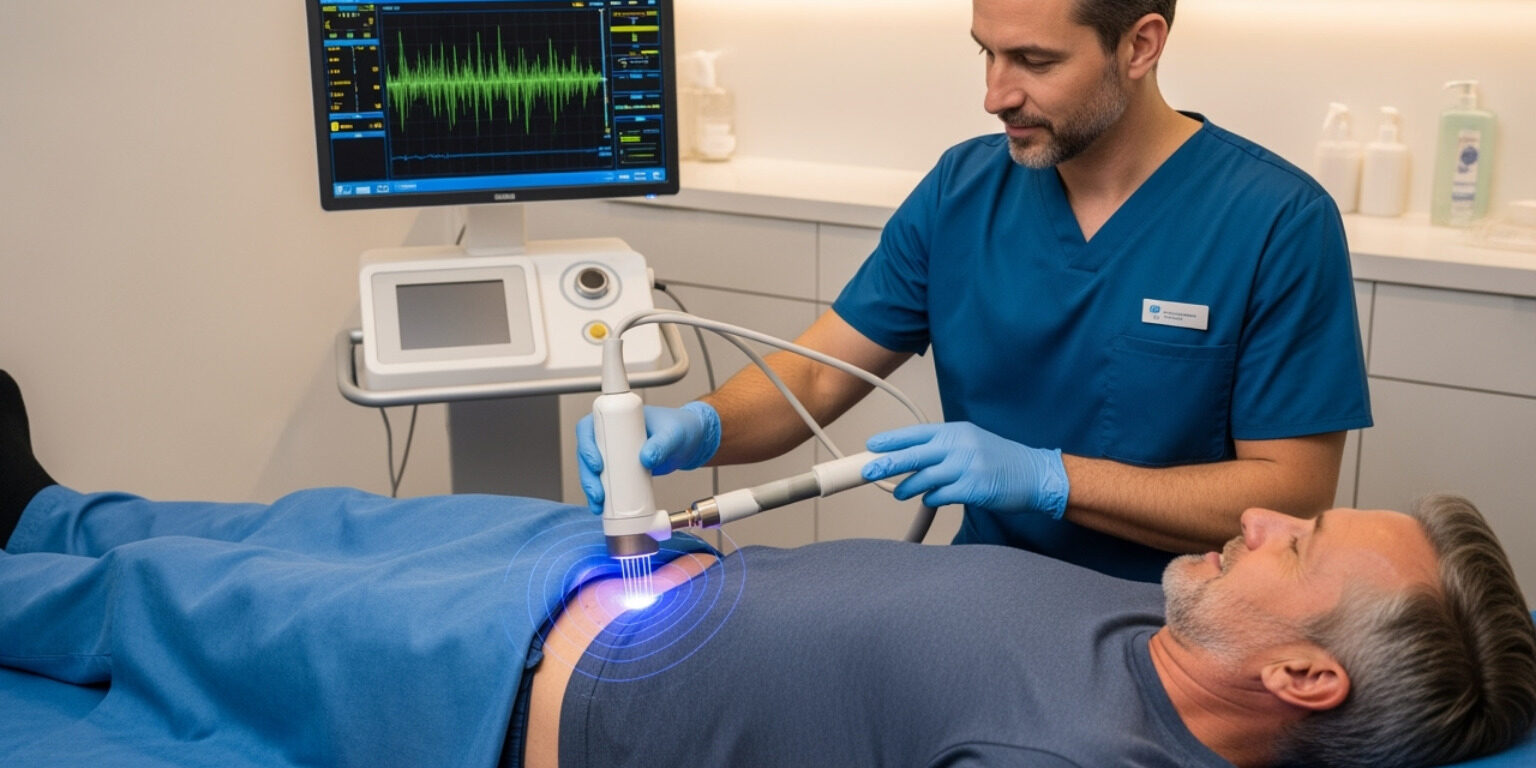
Although many modern medical practitioners rely on traditional treatments, alternative healing solutions provide different avenues for patient recovery. Shockwave therapy is a therapeutic option in the orthopedic medical field. The clinical treatment utilizes acoustic waves to target specific internal tissues, and medical professionals use it to address various musculoskeletal conditions effectively. Many individuals seek noninvasive treatment for chronic pain, and this specific technology offers an alternative to surgical interventions. Because the acoustic waves reach the muscles without incisions, patients avoid long recovery periods.
How It Works
During shockwave therapy, a specialized device, connected to a power source, is placed against the patient’s skin. The machine generates energy pulses, and the energy waves travel through the tissue. This creates micro-traumas within the affected tissue. These small injuries are intended to let the body bring needed nutrients for proper healing. Because the concentrated acoustic waves trigger precise biological responses, the metabolic activity within the targeted bodily tissue accelerates healing. This controlled cellular disruption stimulates the body’s natural healing mechanisms. Blood is pumped to the treated bodily regions, and this results in new blood vessel formation to promote tissue regeneration.
What It Treats
Medical providers routinely utilize this technology for inflammatory conditions. While practitioners can use this for various bodily regions, plantar fasciitis is a frequent clinical application. Patients with this condition may experience heel pain, and the focused energy waves target the inflamed fascial tissue.
Tendon pain often responds well to this kind of medical intervention, and clinicians may recommend it for several prominent tendons around the body. Specialized providers can target tendons with calcium deposits. Because these deposits can restrict the movement of joints, acoustic therapy can break down hardened calcium and improve movement.
Because the clinical modality addresses chronic joint inflammation, sports medicine physicians regularly prescribe it for inner tissue scarring. The therapeutic acoustic impulses break up thick internal scar tissue, and the subsequent cellular activity restores normal tissue function. Many joints may be targeted by clinicians during shockwave therapy.
How To Integrate It
Shockwave therapy works well in tandem with traditional physical rehabilitation programs. The mechanical waves address internal tissue dysfunction, and active movement protocols rebuild muscular strength. When physical therapists design a recovery plan, they may choose to combine acoustic wave sessions with strengthening exercises. Because the clinical treatment focuses on localized structural issues, manual physical manipulation complements the treatment. This approach addresses the kinetic chain during the healing phase. Massage therapists can release muscular fascial tension, and licensed chiropractors align the skeletal joint segments for optimal physical function.
Targeted nutritional support aids the recovery timeline, and adequate daily hydration facilitates necessary cellular repair. As acoustic energy stimulates internal tissue regeneration, a balanced diet supplies the materials for healing. Scheduled rest periods are another component of recovery. Although the acoustic treatment does not require recovery time, the body needs sufficient sleep to repair tissue.
Learn More About Shockwave Therapy
Patients who experience joint pain or have had a sports injury may benefit from shockwave therapy. Because this method of treatment can be integrated with several other kinds of treatment, it is used by some clinicians to address a range of musculoskeletal conditions. You can schedule an initial evaluation consultation with a local sports medicine physician to learn about your options. Before you begin any new physical rehabilitation program, ask your primary healthcare provider if acoustic wave technology fits your specific orthopedic diagnosis.





