
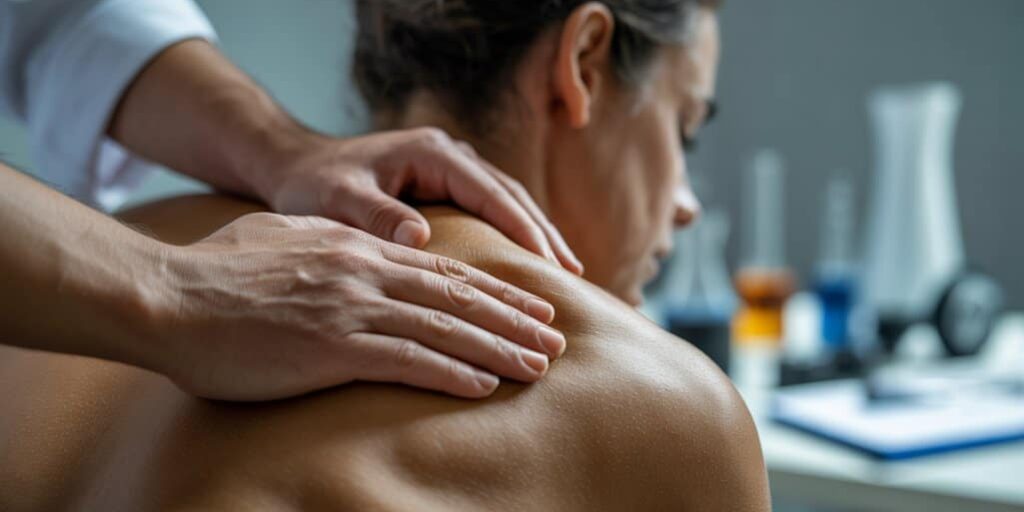
The shoulder is a highly complex ball-and-socket joint, facilitating a wide range of motion necessary for daily tasks. Comprising the humerus, scapula, and clavicle, this intricate system relies on a delicate balance of muscles, ligaments, and tendons. Repetitive motion, natural aging, and acute injuries can disrupt this balance, and lead to persistent pain and restricted mobility. Patients experiencing these symptoms may seek medical guidance to restore function and maintain their quality of life. Orthopedic surgery has evolved rapidly over recent years, introducing less invasive and highly anatomical solutions for joint preservation and rotator cuff repair.
What Shoulder Conditions Require Treatment?
A variety of structural issues and degenerative diseases can compromise the shoulder joint. Physicians regularly evaluate patients for osteoarthritis, a progressive condition that gradually wears down the protective cartilage and cushions the bones. As this cartilage diminishes, bone-on-bone friction creates significant discomfort and stiffness. Tendon injuries, specifically rotator cuff tears, frequently occur due to continuous repetitive strain or sudden physical trauma. Individuals with these tears can report a deep ache in the shoulder and experience difficulty raising their arms overhead.
What Is Rotator Cuff Repair?
The rotator cuff consists of four primary muscles and their respective tendons, all working harmoniously and secure the head of the upper arm bone securely within the shallow shoulder socket. Tears in these soft tissues disrupt joint stability, generating profound pain and limiting everyday functions like lifting objects or reaching behind the back. Standard rotator cuff repair surgery involves suturing the torn tendons directly back to the bone. While effective for many, conventional stitching carries a documented risk of future re-tears, particularly in aging tissues that lack their original elasticity.
Some medical advancements have introduced biological augmentation techniques. During this specialized procedure, surgeons can utilize arthroscopy to place a dermal allograft over the damaged tendon site. This graft reinforces the tendon-to-bone connection, integrating with the patient’s natural tissue over time. Clinical observations indicate that the addition of a dermal allograft increases initial repair strength significantly and supports favorable healing rates. The minimally invasive nature of the procedure also supports a smoother recovery trajectory, allowing patients to progress through post-operative physical therapy with greater confidence.
What Is Total Shoulder Resurfacing?
Patients diagnosed with severe shoulder osteoarthritis can face a gradual, debilitating loss of mobility. Total shoulder replacement provides a standard solution for end-stage joint degeneration, yet it typically comes with permanent weight-bearing limits and activity restrictions to protect the artificial implant. Total shoulder resurfacing offers a modern, highly anatomical alternative, designed specifically for active individuals.
This procedure replaces only the diseased cartilage surface of the joint rather than amputating the entire head of the humerus. Surgeons cap the damaged bone with a smooth, durable metal covering, and closely mimic the natural joint architecture. Medical teams can often perform total shoulder resurfacing as an outpatient procedure, allowing individuals to return to the comfort of their own homes on the same day as the surgery. Following a complete and guided rehabilitation period, patients may face no permanent activity limitations or weight restrictions.
Seek Professional Orthopedic Care
Deciding on a surgical path requires comprehensive medical evaluation and personalized guidance from a trained specialist. Before scheduling an initial consultation, patients should gather relevant imaging results and a detailed history of their symptoms. Demonstrating specific movements that trigger pain may provide the physician with valuable diagnostic clues. An orthopedic surgeon can conduct a thorough physical examination and outline a tailored, structured treatment plan. Early medical intervention may expand the range of available treatment options and help prevent further structural joint deterioration.





