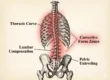

A herniated disc occurs when disc material presses on or irritates nearby spinal nerves, often causing back and leg pain. Pain management for this condition focuses on reducing nerve irritation and improving movement tolerance. This supports function and daily activity, and it aligns care with the patient’s exam findings and health history. Here are some ways to manage pain from herniated discs to enhance activity and life quality:
Activity Modification
Adjusting daily movements and routines helps reduce spinal strain and manage discomfort effectively. Activity modification involves changing how you move, lift, sit, and rest during painful periods. It does not mean staying in bed for long periods, since too much rest may increase stiffness and reduce conditioning. Some people tolerate short walks better than sitting, while others need brief standing breaks after driving or desk work. A lumbar roll, a sit-stand schedule, or a pillow under the knees when lying down can reduce strain. Pain that travels below the knee needs prompt medical evaluation; this may indicate nerve compression that requires a more urgent review.
Anti-Inflammatory Medication
Anti-inflammatory medication helps reduce swelling and chemical irritation around an affected nerve root. Nonsteroidal anti-inflammatory drugs (NSAIDs) include ibuprofen and naproxen, and they should be used as directed by a clinician or the product label. If pain requires frequent medication for more than a few days, a medical review can help identify safer options.
Some pain management plans also include acetaminophen, muscle relaxants, or nerve-related pain medicine. Each has a different role, as they are designed to address pain involving inflammation or sensitivity. A muscle relaxant may be used for spasms, while nerve pain medication helps with burning or shooting pain.
Physical Therapy
Physical therapy addresses movement patterns, strength, and flexibility. A therapist usually begins with an exam that reviews posture and movement patterns that increase or reduce symptoms. Early therapy often focuses on symptom control, and this might include gentle extension exercises or positions that reduce leg symptoms. As pain becomes more manageable, treatment shifts toward core control and hip strength.
Many physical therapists also provide patients with movements and modifications to practice at home. Some could include:
- Short walks on level ground
- Gentle pelvic tilts
- Hip flexor or hamstring mobility work
- Abdominal bracing practice
- Gradual return to routine tasks
Progression matters. Too much load too soon irritates symptoms, but too little movement can slow recovery. Your therapist will adjust exercises based on whether pain remains localized or shifts after activity.
Epidural Steroid Injections
Epidural steroid injections deliver anti-inflammatory medicine near irritated spinal nerves. They are often used when leg pain from nerve irritation remains limiting despite medication, activity changes, and therapy. The injection is usually performed with imaging guidance, such as fluoroscopy, and it places medication near the affected area.
These injections are not the same as surgery, and they do not remove disc material. Instead, they aim to temporarily reduce local inflammation around the nerve root. Response varies, and some people need ongoing therapy and activity changes even after an injection. After treatment, patients usually receive instructions about activity limits and symptoms that require follow-up.
Visit a Pain Management Clinic
A pain management clinic helps coordinate care when herniated disc symptoms interfere with routine activity. A clinician will review your symptoms, therapy history, and daily function before recommending next steps. When severe nerve findings are present, they can provide referrals for spine surgeons or other specialists. Call a pain management clinic today to discuss your symptoms and set up an appointment.