
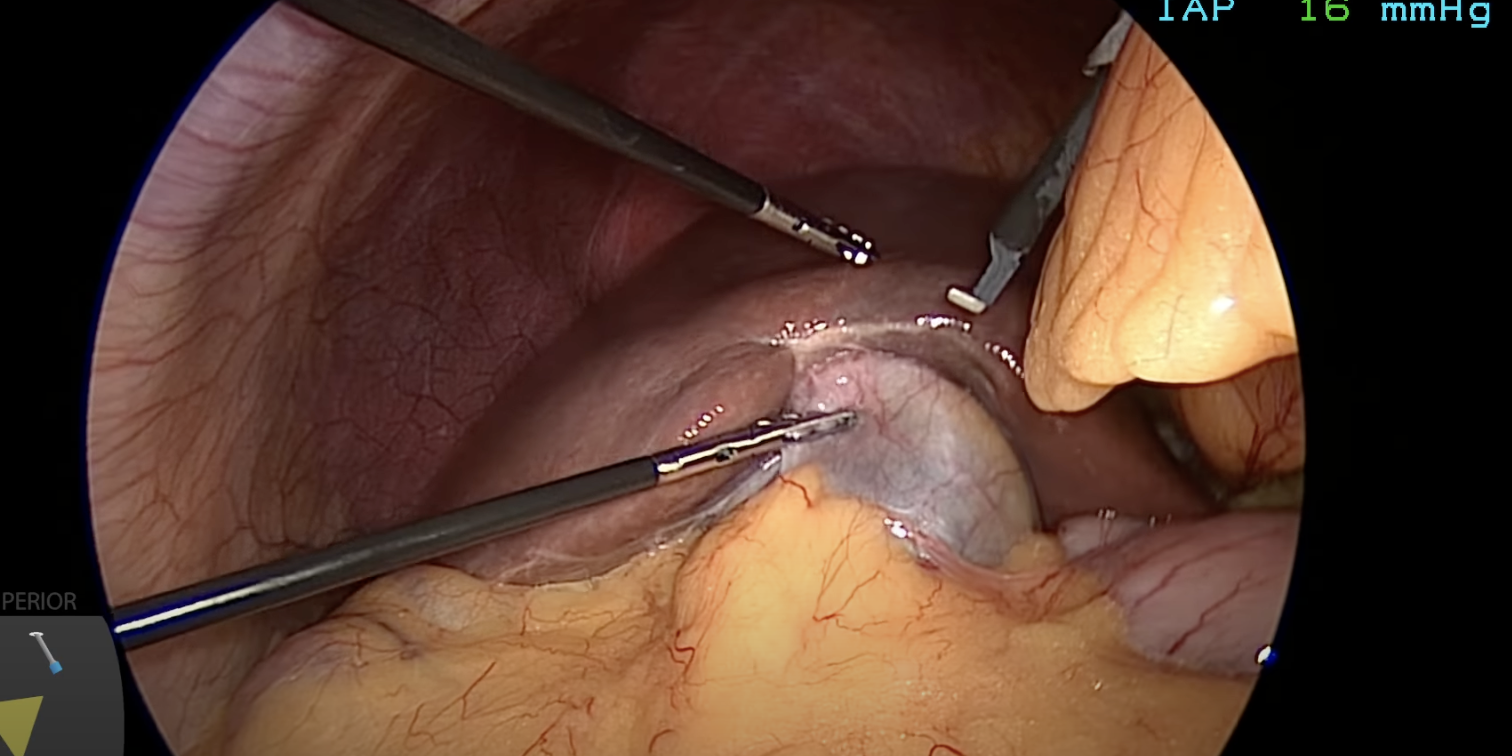
Gallbladder removal, or cholecystectomy, is a procedure that takes out the gallbladder. When gallstones form, they cause pain, and surgery becomes one option that doctors recommend. Since the body adapts to function without it, this organ is not necessary for digestion, and many patients undergo this surgery each year. Here is more information about the benefits of this procedure:
Permanent Pain Relief
Gallstones block the flow of bile. The pain often appears after meals, and it grows sharper when stones move. Since the gallbladder is removed entirely, the source of the pain is gone. New stones do not form afterward.
Recurring attacks disrupt daily routines. When the organ stays in place, stones may keep returning, and discomfort returns with them. Gallbladder removal surgery addresses the root cause once it is taken out. Patients may have fewer interruptions to their schedules.
Less Invasive Surgery
Most surgeons perform a laparoscopic approach. The technique uses small incisions, and the surgeon inserts a tiny camera to guide the work. Since the cuts are smaller, recovery time typically shortens. Scarring typically stays minimal.
The laparoscopic method offers several practical features:
- Small incisions instead of one large opening
- A camera that improves precision
- Shorter hospital stays in many cases
Open surgery remains an alternative for complex situations. When complications appear, the surgeon may switch methods, and that decision happens during the operation. Since each case differs, your surgical team reviews your scans beforehand.
Prevented Blockages
Bile travels through ducts toward the small intestine. A stone lodged in a duct creates a blockage, and that blockage triggers serious problems. Since the gallbladder is removed, stones no longer collect there. The ducts stay clearer over time.
Blocked ducts may lead to several conditions. Doctors watch for these issues closely:
- Jaundice from trapped bile
- Pancreatitis from a blocked pancreatic duct
- Infection within the bile system
When the gallbladder is gone, the storage site for stones disappears. The risk of these blockages potentially drops, and patients face fewer emergency visits. Since prevention matters, surgeons explain this outcome clearly.
Reduced Risk of Infection
An inflamed gallbladder traps bacteria. Infection spreads quickly, and untreated cases turn dangerous. As the inflamed organ is removed, that infection site no longer exists. Patients avoid repeated rounds of treatment.
Cholecystitis describes inflammation of the gallbladder. The condition typically returns when stones remain, and each episode raises infection risks. Surgery removes the affected tissue completely. Recovery follows under your doctor’s supervision.
This eliminates the possibility of recurrent inflammation caused by gallstones. When the source of the problem is removed, the risk of infections and other dangerous outcomes decreases significantly, allowing patients to regain their health and quality of life.
Schedule Gallbladder Removal Surgery
Gallbladder removal addresses pain, blockages, and infection at the source. The laparoscopic approach uses small incisions, and many patients recover within days. Since the organ no longer stores stones, the related problems typically decline. Schedule a consultation to review your scans and ask about the surgical options available to you. As timing affects outcomes, early discussion helps, so contact an office to book your appointment.





