
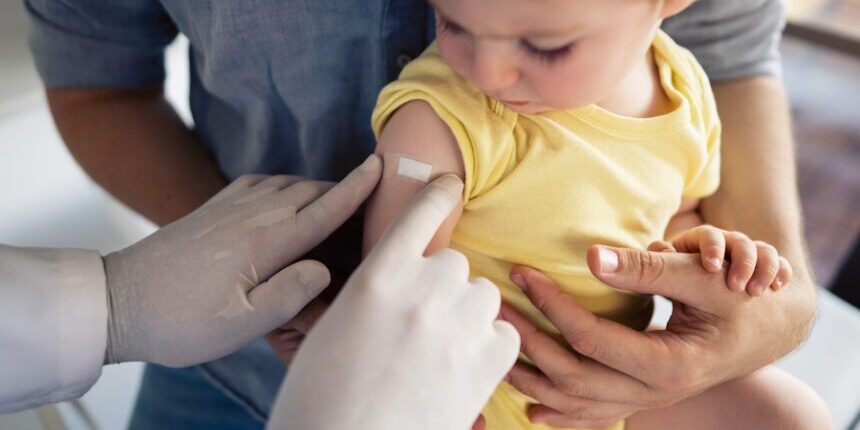
Vaccinations are a widely discussed part of public health, and understanding the basic information about them can help you make informed decisions about your care. When you receive a vaccination, your body has the information it needs to combat a specific illness later on. This mechanism makes vaccines a key part of public health in general. Here is more information about vaccines:
What Vaccines Are
Vaccines are injections that introduce a harmless piece of a specific pathogen, and they are designed to help the body recognize that pathogen in the future. These components can include weakened or inactivated organisms, proteins, or genetic material that instructs cells to produce a particular substance. Researchers have studied vaccinations for many years, and regulatory agencies review them before making them available to the public. This review process examines information gathered during clinical trials and ongoing monitoring after approval.
How Vaccines Prevent Serious Illness
The immune system responds to a vaccine by identifying the introduced component as foreign. Then, it develops a targeted response to that specific material.
- Without exposure to the full pathogen, vaccines allow the body to build a form of recognition against it.
- When the immune system encounters the same pathogen later, it can respond more quickly because it has already recognized the associated markers.
- The faster response helps stop the illness from spreading as quickly
- Vaccinations allow the body to combat the illness more readily, reducing severe symptoms and hospitalizations in vulnerable populations.
How Often Vaccines Are Administered
The frequency of vaccination varies depending on the specific vaccine; health authorities outline this information in publicly available vaccination schedules. Some vaccines include only a single dose, while others require multiple doses spaced over time. Certain vaccines include booster doses because the level of recognition may change over months or years. These boosters help the body maintain its familiarity with a particular pathogen.
Health authorities tailor vaccination schedules to account for a person’s age and stage of life, including:
- Infants
- Children
- Adults
- Older individuals
Patients receive some vaccines seasonally, while patients get others only at specific intervals throughout their life.
What Vaccines Are Commonly Needed
Common childhood vaccinations include those that are associated with measles, mumps, rubella, polio, and whooping cough. Standardized schedules typically include these injections. Health authorities publish these schedules, and families and providers can follow a consistent timeline.
Doctors may advise adults to receive certain vaccines as well, and these typically include influenza vaccines and tetanus boosters. The specific recommendations often depend on factors such as age and travel plans. Some vaccinations are suggested for people in particular circumstances because certain settings can involve different exposure concerns. Individual recommendations can vary, and a healthcare provider helps patients identify which vaccines apply to a particular situation. Reviewing your history with a provider allows for a schedule that reflects your circumstances.
Learn More About Vaccinations
Vaccines are a form of personal and public healthcare that can help reduce or prevent the spread of serious illness in communities. Doctors are able to discuss any questions you might have about the vaccination schedule, and they can answer questions about which vaccines are appropriate for you. For more information about vaccines, consult a healthcare provider near you.





