
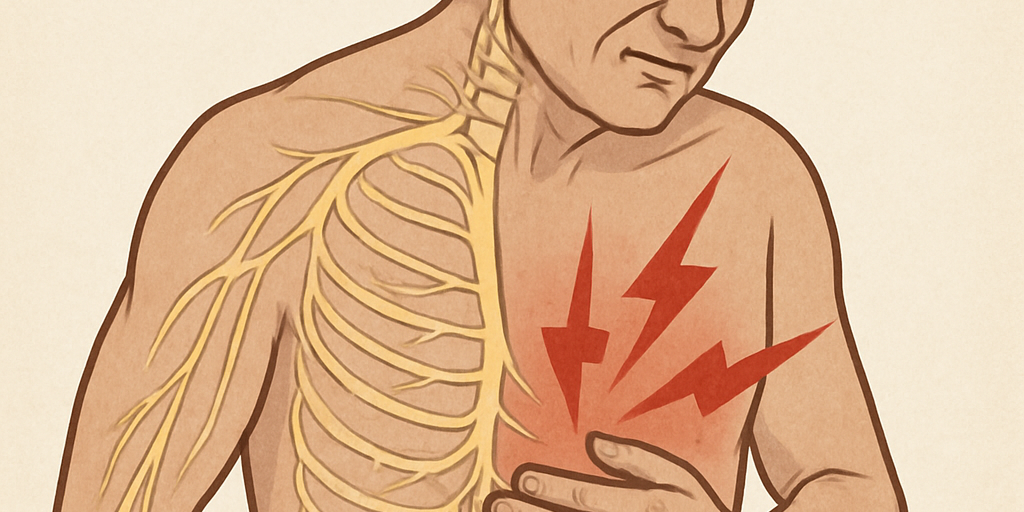
Chronic pain is discomfort lasting over three months, often persisting after healing. It can affect nearly any part of the body, from the lower back to the joints and nerves. Many people describe it as aching, burning, or shooting sensations that interfere with daily activities. Because chronic pain can be complex, doctors often explore a range of management approaches, sometimes including nerve block treatments. Here’s information on nerve blocks and how they support many pain management plans:
How Nerve Blocks Work
A nerve block is a procedure where a medication is injected near a specific nerve or group of nerves. This aims to interrupt pain signals traveling from the affected area to the brain. Providers typically use imaging guidance, such as fluoroscopy, to place the injection accurately. The medication may include a local anesthetic, and in some cases a steroid is added to reduce inflammation. Providers may recommend nerve pain injections when other approaches, such as physical therapy or oral medications, have not reduced pain enough. They can also help identify and diagnose the source of someone’s pain, giving doctors more information about next treatment steps.
Facet Injections
Facet joints are small joints located between the vertebrae in the spine. A facet injection delivers medication directly into or around one of these joints, often performed on an outpatient basis. This procedure targets pain that may originate from the facet joints, which can be affected by wear or inflammation over time.
Medial Branch Nerve Blocks
The medial branch nerves carry signals from the facet joints to the brain, so for chronic pain conditions, these nerves carry pain signals. A medial branch nerve block places anesthetic near these nerves to interrupt pain signals from a specific joint. This procedure is frequently used to determine whether a particular facet joint is contributing to discomfort, and providers use the results to guide further treatment planning.
What Health Conditions They Treat
Nerve blocks are used for a range of conditions involving ongoing pain. These include back and neck pain related to spinal joints, certain types of nerve pain, and pain following some injuries. They are sometimes recommended for headaches that involve specific nerves, or they may be part of care for arthritis-related joint pain. A provider evaluates each situation individually, and the procedure recommendations depend on the suspected source of pain. Not every condition is suited to a nerve pain injection, so a thorough assessment is necessary first.
What To Expect During Sessions
Before the procedure, your provider will review your medical history and explain the process. Most nerve injections are performed in an outpatient setting and take a relatively short time. You may receive a local anesthetic at the injection site, and imaging is often used to guide the needle.
After the procedure, you will be observed for a brief period before going home. Some people notice changes in their pain levels within hours or days, though responses vary from person to person. Your provider will give specific instructions about activity, follow-up appointments, and what to watch for afterward. If anything abnormal occurs, your care team is available to answer your questions in between follow-up check-ins.
Try Nerve Block Treatments
Nerve blocks are one of several approaches used to help manage chronic pain, so they are typically part of a treatment plan rather than a standalone solution. Understanding how these procedures work can help you have a more informed conversation with your healthcare provider. If you live with pain, discuss your options with a doctor who can assess your situation and explain your options. Contact a pain management specialist to discuss your condition, your treatment options, and your potential aftercare needs.





