LASIK surgery corrects refractive errors by reshaping the cornea, the clear outer window of the eye. The procedure treats myopia, hyperopia, and astigmatism, and it has helped many patients reduce their reliance on glasses or contact lenses. Not every patient qualifies as a candidate, but decades of research support its safety record. This article explains how LASIK surgery works, what outcomes patients report, and which factors shape eligibility.
Understanding the Surgical Procedure
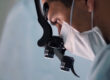
LASIK surgery uses two lasers to correct vision. A femtosecond laser creates a thin flap in the cornea, and an excimer laser then reshapes the cornea to correct the specific prescription. The surgeon lifts the flap to expose the tissue beneath. A laser applies the correction, and the flap returns to its original position, where it adheres without stitches. The procedure takes only minutes per eye. Many patients notice vision improvement within a day.
Reviewing Safety and Side Effects
Serious complications from this procedure are extremely rare. Most side effects are temporary, and they typically improve within days to months. Patients report common effects, including dry eyes, fluctuating vision, mild eye discomfort, and a temporary gritty sensation. A surgeon reviews these possibilities during the consultation. The guidance provided helps manage symptoms while the eyes heal, and patients receive specific instructions to follow throughout recovery. These instructions address care after the procedure, and the surgeon explains what to expect during healing.
Examining Long-Term Outcomes
Results tend to last for most patients. About 95% of patients never need another vision correction procedure, while roughly 5% require a small enhancement. These enhancements can address long-term prescription changes, and the need for them varies among patients. Reported visual outcomes are also favorable. About 99% of patients achieve 20/20 vision or better after surgery, and the procedure has a long history of reported results. Individual outcomes can differ, so the evaluation remains part of the surgical process.
Evaluating Surgical Candidacy
Not everyone qualifies for the procedure. Certain conditions rule out candidacy, and a surgeon reviews each patient’s health before proceeding. Patients with autoimmune diseases, severe dry eye, or certain pre-existing eye conditions are generally not suitable candidates, and a thorough evaluation identifies these contraindications before surgery.
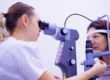
A consultation takes around two hours. Specialists confirm the prescription through multiple testing methods, and they measure pupil size and check corneal thickness. A surgeon also evaluates the patient’s medical history, and these findings help determine whether the procedure is appropriate. Patients who do not qualify have other options. Alternatives include PRK, EVO ICL implantable lenses, and intraocular lens procedures. A surgeon evaluates the patient’s eyes, and the findings help determine which vision correction option may be appropriate.
Seek a LASIK Surgery Evaluation
LASIK surgery is a same-day surgery, and patients can go home soon after treatment is complete. Vision may be slightly blurry for one to two days, and prescription eye drops help prevent infection and promote proper healing. Decades of research support the procedure’s safety record, and reported outcomes show that 99% of patients achieve 20/20 vision or better. A comprehensive consultation determines whether LASIK surgery or another vision correction option is appropriate, and the surgeon reviews the evaluation findings before treatment.